Aviation Education and Pilot Training
Embarking on a career in aviation is an exciting and rewarding journey. Whether you dream of flying for pleasure or as a profession, obtaining the necessary education and pilot training is essential to achieving your goals.
Flight Training
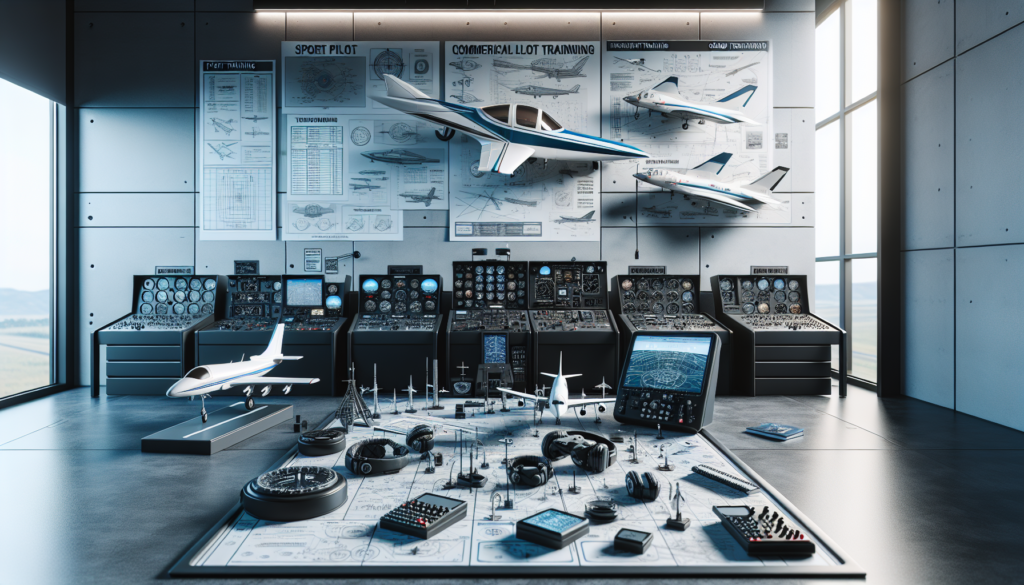
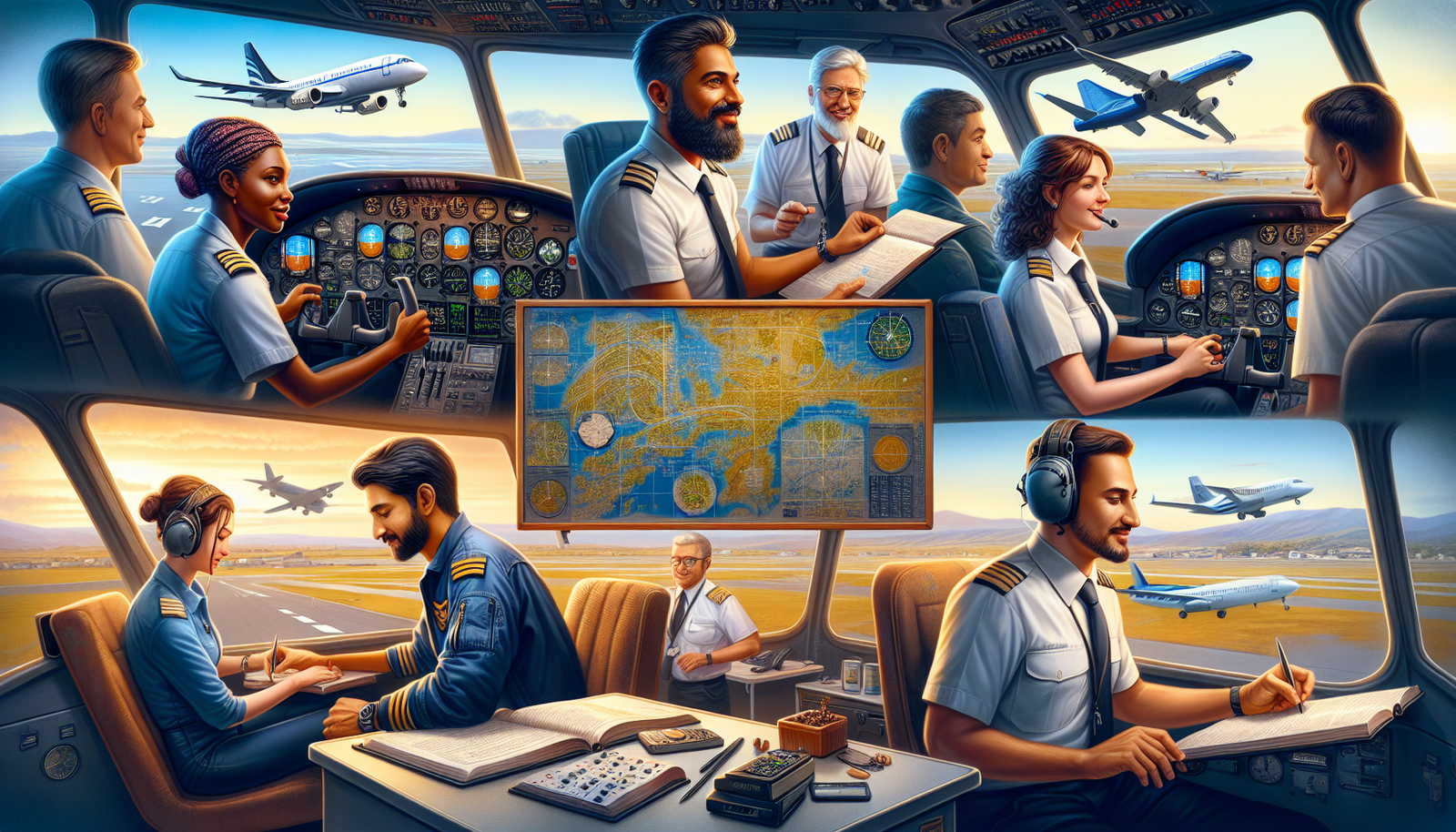
Flight training is the foundation of becoming a skilled pilot. It involves both ground instruction and hands-on flying experience. As you progress through different levels of pilot training, you will gain the knowledge and skills needed to safely operate an aircraft.
Sport Pilot Training
Sport pilot training is a great entry point for those interested in recreational flying. This certification allows you to fly light sport aircraft and enjoy the freedom of the skies.
Private Pilot Training
Private pilot training is the next step for those looking to expand their flying capabilities. With a private pilot license, you can fly more complex aircraft and carry passengers. It opens up a world of possibilities for personal travel and adventure.
Commercial Pilot Training
Commercial pilot training is for those who aspire to fly professionally. This training goes beyond recreational flying and prepares you for a career as a commercial pilot. With a commercial pilot license, you can work as a flight instructor, charter pilot, or airline pilot.
Instrument Training
Instrument training is crucial for flying in adverse weather conditions or low visibility. This specialized training teaches pilots how to navigate using instruments and fly solely by reference to their instruments. It is a valuable skill for pilots seeking to advance their careers.
Advanced and Instrument Ground Instruction
Advanced and instrument ground instruction complements flight training by providing in-depth knowledge of aviation theory and regulations. Ground instruction covers topics such as aerodynamics, navigation, weather, and aircraft systems. It is an essential component of a well-rounded aviation education.