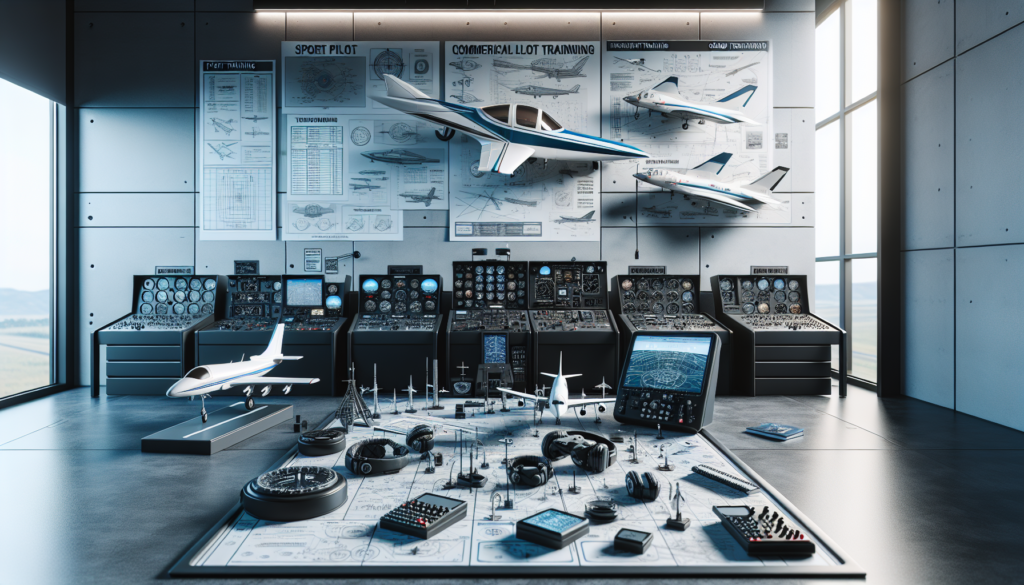
Aviation Education: The Gateway to the Skies
Embarking on a career in aviation requires a solid foundation in aviation education. Understanding the principles of flight, aerodynamics, navigation, and weather patterns is crucial for aspiring pilots. Aviation education programs provide students with the knowledge and skills needed to navigate the complex world of aviation.
Flight Training: Taking to the Skies
Flight training is the practical component of aviation education. It allows students to apply the theoretical knowledge they have learned in the classroom to real-world flying scenarios. Flight training encompasses various levels, including sport pilot training, private pilot training, commercial pilot training, and instrument training.
Sport Pilot Training: Entry-Level Flying
Sport pilot training is the first step towards becoming a pilot. This level of training focuses on basic flying skills and prepares students to fly light sport aircraft. Sport pilot training is ideal for individuals who want to experience the thrill of flying without pursuing a career in aviation.
Private Pilot Training: The Foundation of Aviation
Private pilot training is the next level of flight training after sport pilot training. It equips students with the skills and knowledge needed to fly single-engine aircraft for personal or recreational purposes. Private pilot training is a crucial step towards obtaining a commercial pilot license.
Commercial Pilot Training: Professional Flight Skills
Commercial pilot training is designed for individuals who want to pursue a career as a professional pilot. This level of training focuses on advanced flying techniques, navigation skills, and aircraft systems knowledge. Commercial pilot training prepares students for a career in aviation as a pilot for airlines, charter companies, or other aviation organizations.
Instrument Training: Navigating in Challenging Conditions
Instrument training is essential for pilots who want to fly in challenging weather conditions or low visibility. This level of training focuses on using instruments and navigation systems to fly safely and accurately without relying on visual cues. Instrument training is a valuable skill for pilots seeking to enhance their flying capabilities.
Advanced and Instrument Ground Instruction: Mastering Aviation Knowledge
Advanced and instrument ground instruction is an integral part of aviation education. Ground instruction covers a wide range of topics, including aviation regulations, aerodynamics, weather patterns, and navigation techniques. Advanced and instrument ground instruction ensures that pilots have the knowledge and skills needed to safely navigate the skies.