Introduction
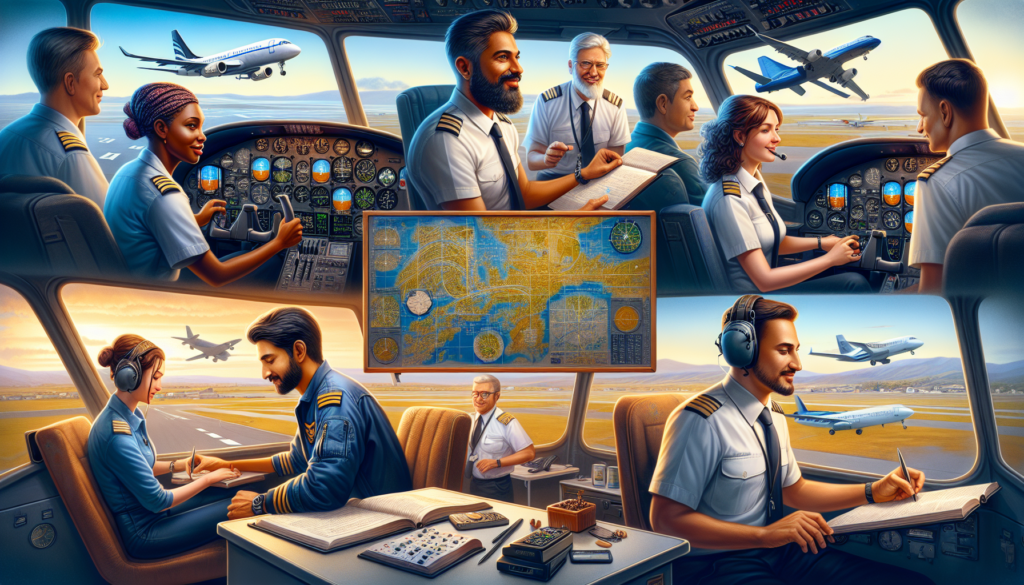
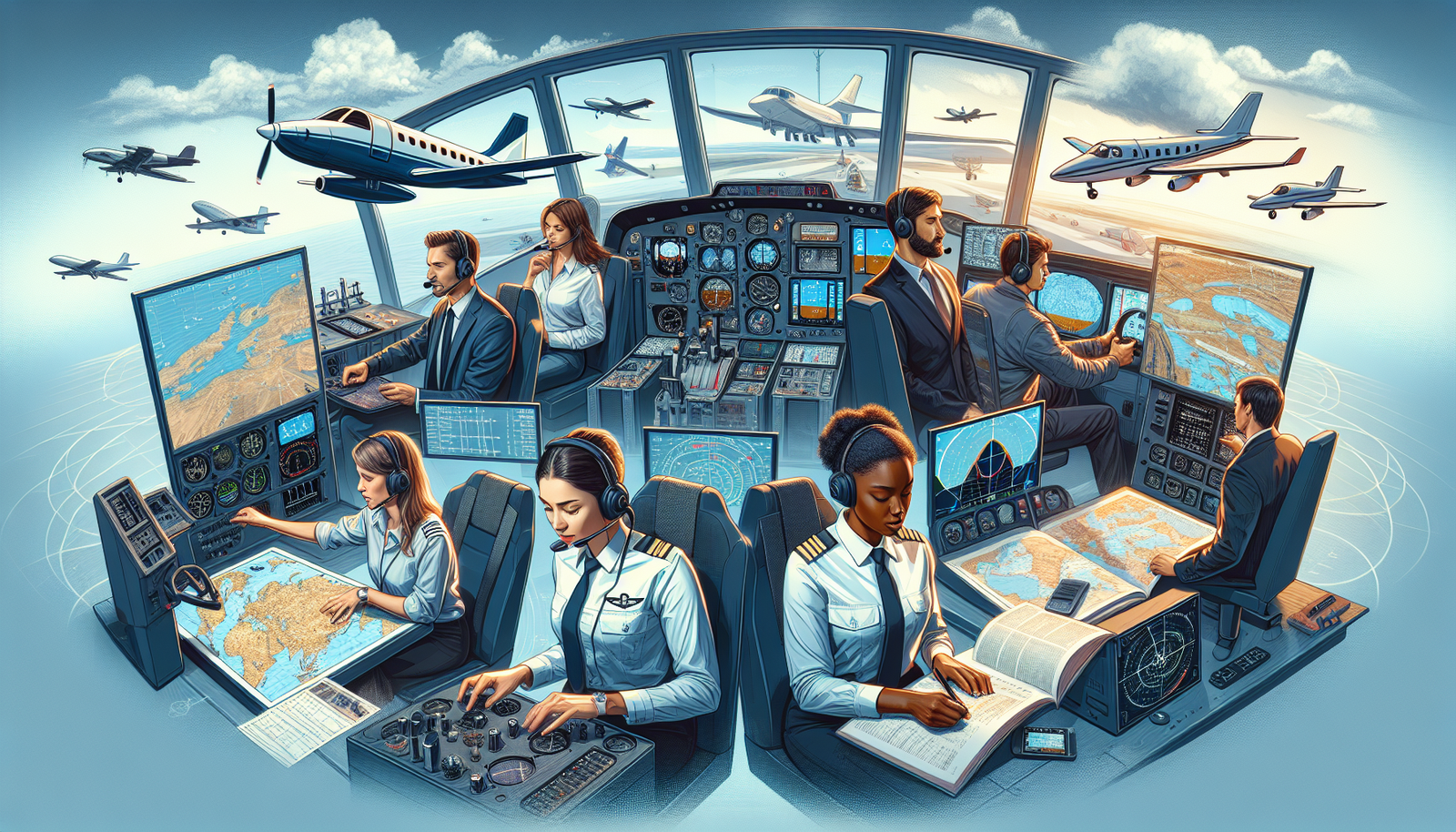
Aviation education and pilot training are essential components for anyone looking to embark on a career in the skies. Whether you dream of becoming a private pilot, a commercial pilot, or even an airline pilot, the first step is to obtain the necessary education and training.
Aviation Education
Aviation education provides the foundation for a successful career in aviation. It covers a wide range of topics, including aerodynamics, aviation regulations, weather patterns, navigation, and more. Many universities and flight schools offer degree programs in aviation that provide a comprehensive education in all aspects of aviation.
Flight Training
Flight training is the practical aspect of becoming a pilot. It involves hands-on instruction in flying an aircraft, starting from basic maneuvers to advanced flight techniques. There are several levels of flight training, including sport pilot training, private pilot training, commercial pilot training, and instrument training.
Sport Pilot Training
Sport pilot training is the entry-level certification for flying small, light sport aircraft. It requires a minimum of 20 hours of flight training, including 15 hours with an instructor and 5 hours solo. Sport pilots are limited to flying during the day and in good weather conditions.
Private Pilot Training
Private pilot training is the next step up from sport pilot training and allows pilots to fly more advanced aircraft and carry passengers. It requires a minimum of 40 hours of flight training, including 20 hours with an instructor and 10 hours solo. Private pilots can fly during the day and at night, as long as they have the appropriate training and endorsements.
Commercial Pilot Training
Commercial pilot training is for pilots who want to fly for a living. It requires a minimum of 250 hours of flight training, including 100 hours as pilot-in-command and 50 hours of cross-country flying. Commercial pilots can fly for hire and are subject to stricter regulations than private pilots.
Instrument Training
Instrument training is for pilots who want to fly in low-visibility conditions or on long cross-country flights. It requires additional training in flying solely by reference to instruments, rather than by visual cues. Instrument training is essential for commercial pilots and is a valuable skill for any pilot to have.
Advanced and Instrument Ground Instruction
Ground instruction is an essential component of pilot training that covers the theoretical aspects of flying, such as aviation regulations, navigation, weather patterns, and more. Advanced and instrument ground instruction provides pilots with the knowledge they need to pass written exams and become competent pilots in the air.