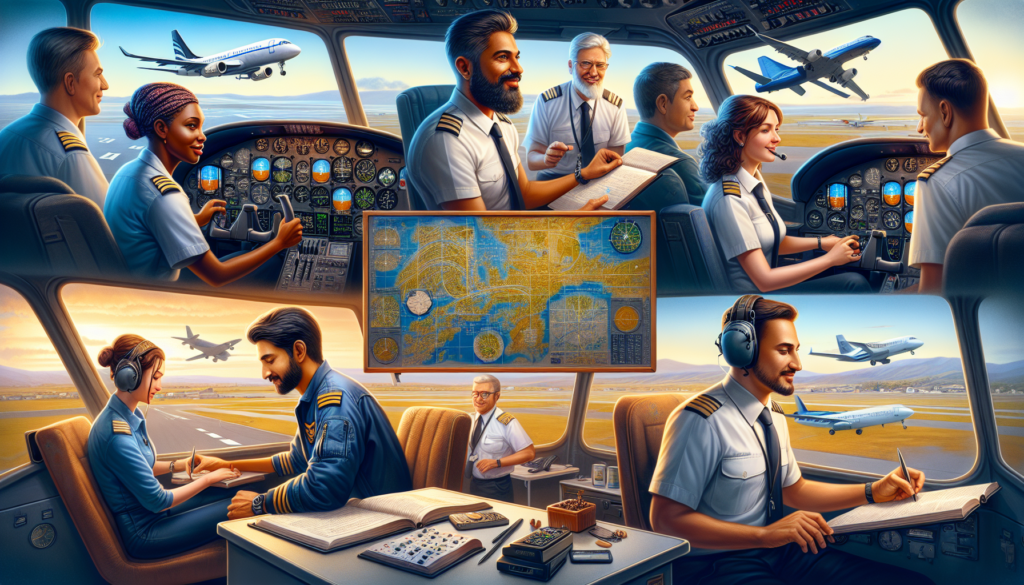
Aviation Education and Pilot Training
Aviation is a thrilling and rewarding career path, but it requires dedication and proper training. Whether you dream of becoming a recreational pilot or a commercial airline captain, the journey starts with the right education and flight training.
Flight Training
Flight training is the foundation of becoming a pilot. It involves hands-on experience in the cockpit, where you will learn how to operate an aircraft safely and efficiently. Flight training typically includes ground instruction and flight hours with a certified flight instructor.
Sport Pilot Training
Sport pilot training is the first step towards becoming a pilot. It is a more affordable and accessible option for those looking to fly for recreational purposes. Sport pilots can fly light-sport aircraft and are limited to flying during the day and in good weather conditions.
Private Pilot Training
Private pilot training allows you to fly more advanced aircraft and carry passengers. It requires a minimum of 40 flight hours, including solo flight time and cross-country flights. Private pilots have more flexibility in terms of flying locations and times.
Commercial Pilot Training
Commercial pilot training is for those who want to pursue a career in aviation. It requires a minimum of 250 flight hours and additional training in areas such as night flying, instrument flying, and multi-engine aircraft. Commercial pilots can work for airlines, charter companies, or as flight instructors.
Instrument Training
Instrument training is essential for pilots who want to fly in adverse weather conditions or at night. It involves learning how to navigate using instruments rather than visual cues. Instrument training can be added to private or commercial pilot training and is required for becoming an airline transport pilot.
Advanced and Instrument Ground Instruction
Ground instruction is a crucial part of pilot training, covering topics such as aerodynamics, weather patterns, navigation, and aircraft systems. Advanced and instrument ground instruction provides pilots with the knowledge and skills needed to pass written exams and practical tests. It is essential for becoming a safe and competent pilot.