Understanding Aviation Education
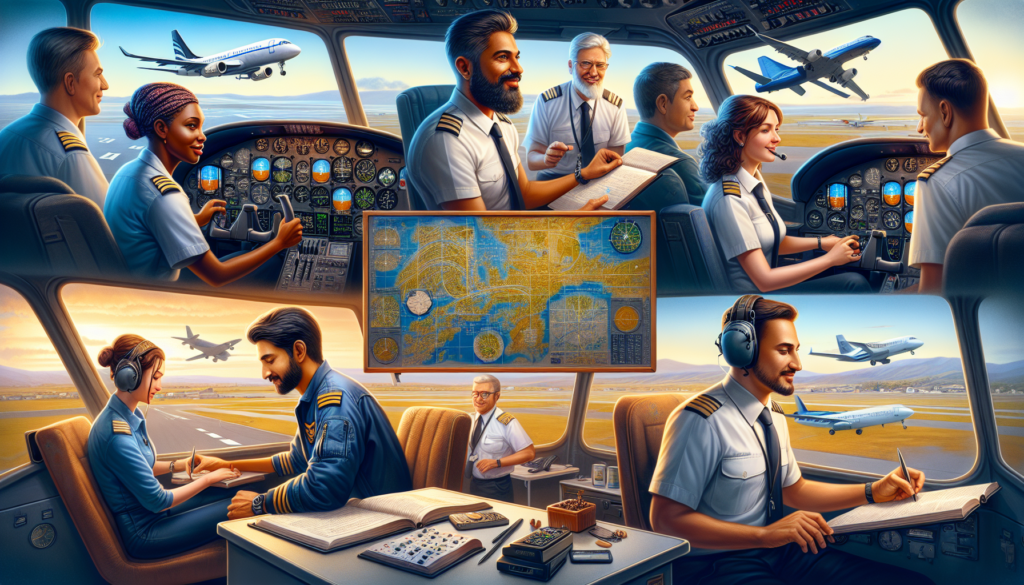
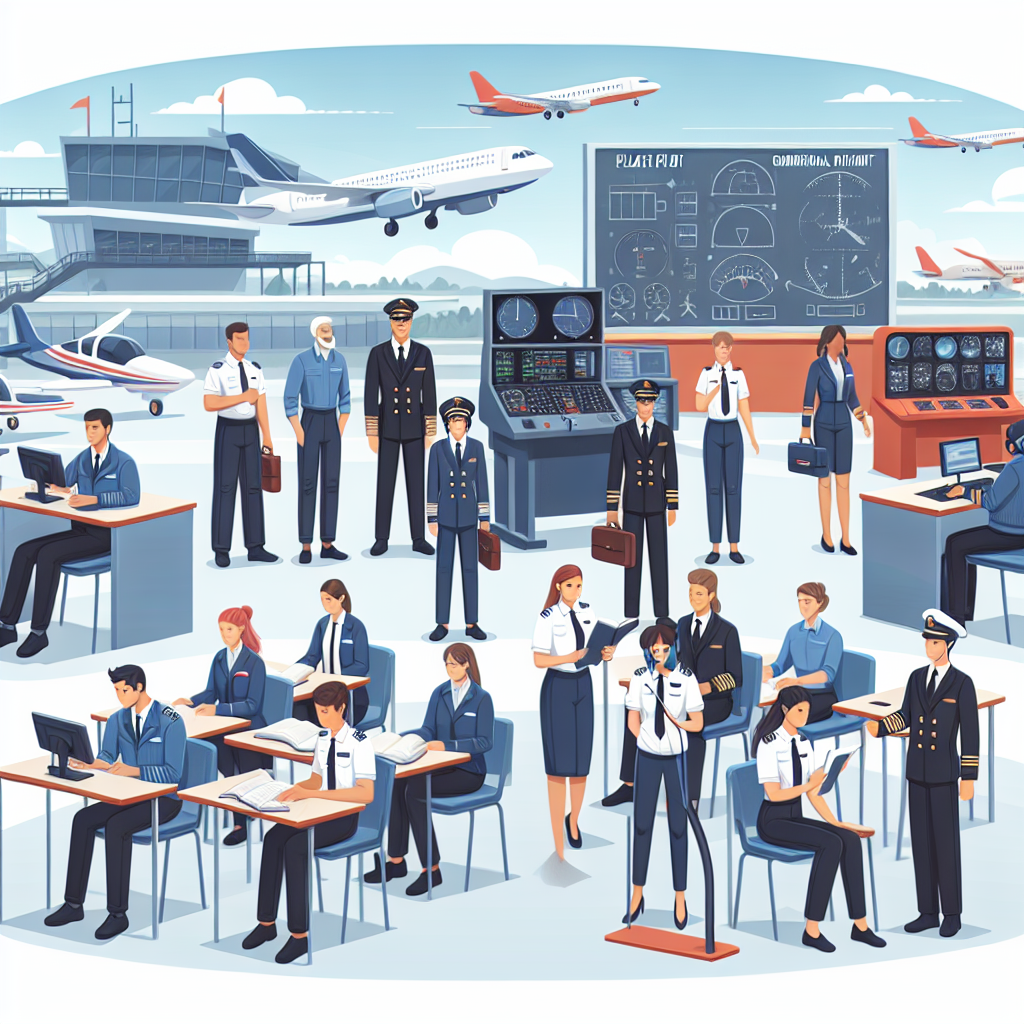
Aviation education is the cornerstone for anyone aspiring to become a skilled pilot. It encompasses a broad range of learning opportunities, from foundational knowledge in aerodynamics and meteorology to advanced flight operations and safety protocols. Whether you aim to fly recreationally or pursue a commercial career, a structured education is essential for building confidence and competence in the cockpit.
Quality aviation education programs integrate both theoretical ground instruction and hands-on flight training to prepare students comprehensively. This blend ensures that learners not only understand the mechanics and regulations of flying but also develop the practical skills needed for real-world scenarios.
Starting with Sport Pilot Training
Sport pilot training is an excellent entry point for individuals new to aviation. This training focuses on flying light-sport aircraft under less restrictive regulatory requirements, making it accessible and affordable. It offers a great way to gain initial flight experience and develop fundamental piloting skills.
The curriculum in sport pilot training covers essential topics such as basic flight maneuvers, aircraft systems, navigation, and safety procedures. Many students find this level of flight training enjoyable and rewarding, providing a strong foundation for advancing to higher pilot certifications.
Advancing to Private Pilot Training
Private pilot training builds upon the skills learned during sport pilot training and prepares students for more complex flying tasks. This phase introduces more rigorous flight standards and requires a deeper understanding of aerodynamics, airspace regulations, and emergency procedures.
During private pilot training, students receive both flight training and advanced and instrument ground instruction. These courses emphasize navigation, communication, and decision-making skills that are critical for safe solo and cross-country flights. Achieving a private pilot certificate opens opportunities for flying a wider range of aircraft and carrying passengers.
Mastering Commercial Pilot Training
Commercial pilot training is designed for individuals pursuing a professional aviation career. This level of training emphasizes precision, efficiency, and professionalism in flight operations. Students learn to operate aircraft under various conditions and adhere to strict regulatory standards.
Comprehensive commercial pilot training includes extensive flight training hours, instrument training, multi-engine operations, and advanced ground instruction. Graduates from commercial pilot programs are qualified to seek employment as professional pilots in airlines, charter services, and other aviation sectors.
The Importance of Instrument Training
Instrument training is a critical component of advanced pilot education. It equips pilots with the skills to fly safely in low-visibility conditions by relying on cockpit instruments rather than visual cues. Mastery of instrument flight rules (IFR) is essential for both private and commercial pilots.
Instrument training involves detailed instruction on navigation systems, flight planning, and emergency procedures. Pilots undergo rigorous simulator and in-flight training to develop proficiency in handling complex flight scenarios, enhancing overall safety and operational capabilities.