Understanding Aviation Education
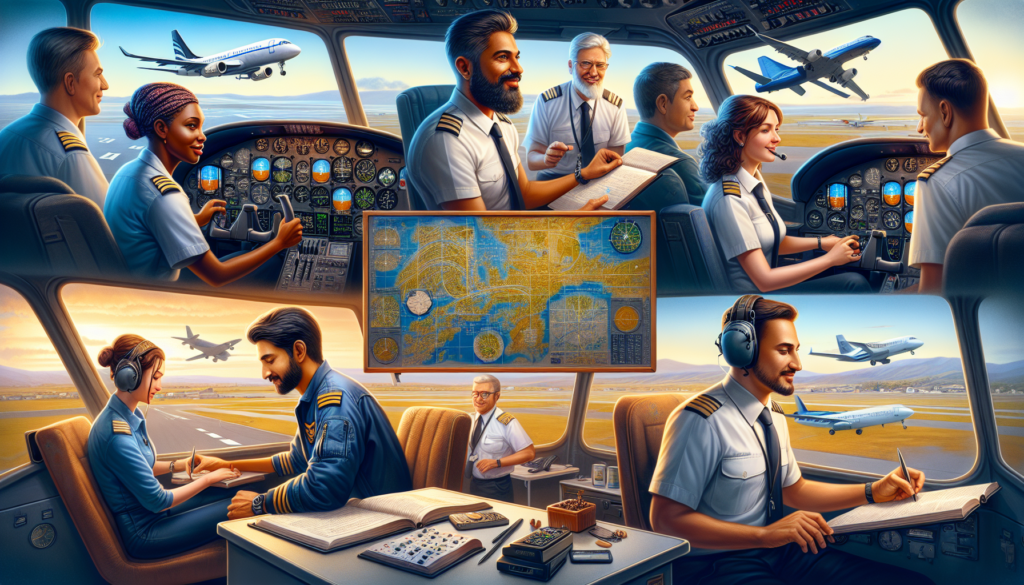
Aviation education forms the foundation for anyone aspiring to become a pilot or work within the aviation industry. It encompasses theoretical knowledge, practical skills, and regulatory understanding essential for safe and efficient flight operations. Whether you are a beginner or looking to advance your career, comprehensive aviation education provides the tools necessary to succeed.
From learning about aerodynamics and meteorology to mastering navigation and aviation regulations, the educational journey is both challenging and rewarding. Structured programs often combine classroom instruction with hands-on flight training to ensure well-rounded pilot competencies.
Exploring Flight Training Pathways
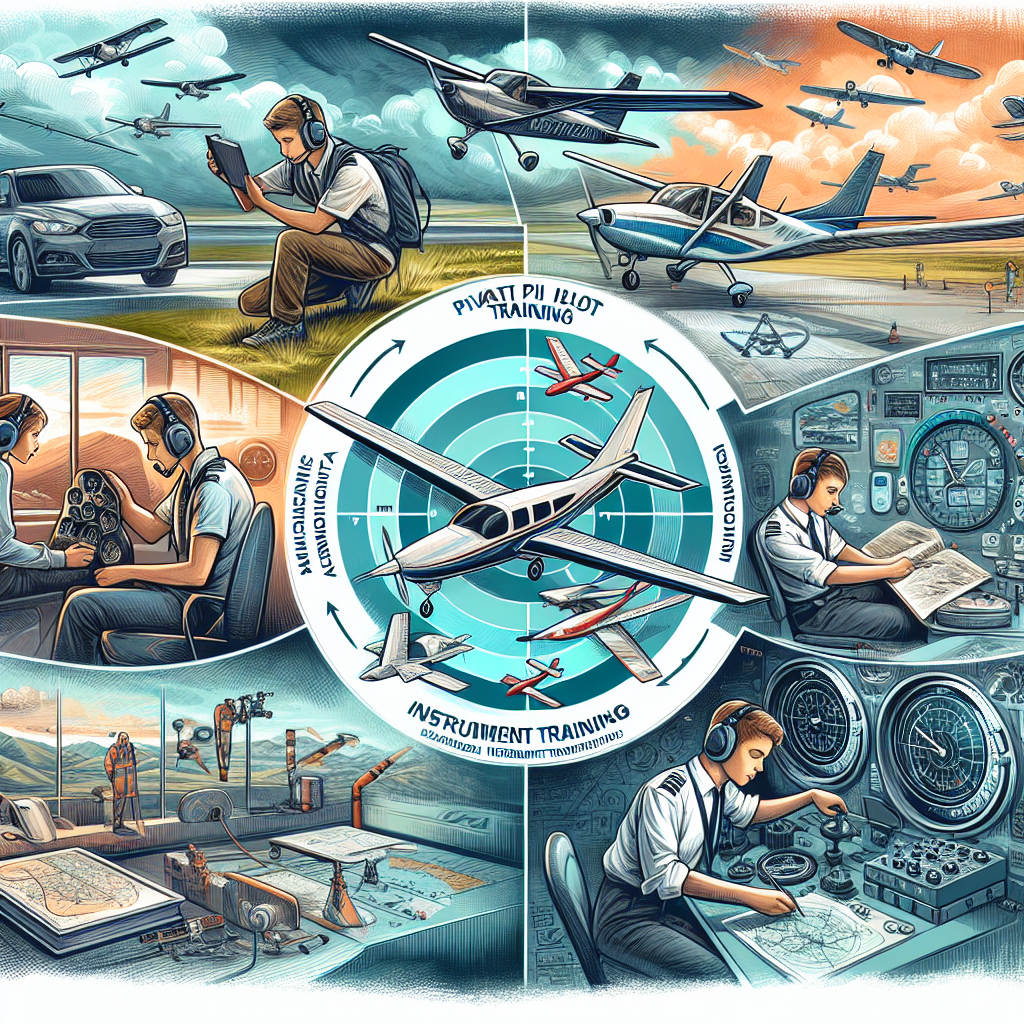
Flight training is a critical component of aviation education, offering real-world experience in operating aircraft under various conditions. Depending on your goals, there are multiple training pathways available, including sport, private, and commercial pilot training, each designed to build progressively advanced skills.
Sport Pilot Training
Sport pilot training offers a streamlined introduction to flying, ideal for those who want to fly light sport aircraft for recreation. This training is less intensive than other certifications and requires fewer flight hours, making it accessible for beginners. It covers essential flight maneuvers, basic navigation, and safety procedures tailored for sport aviation.
Private Pilot Training
Private pilot training is the next step for aspiring pilots seeking broader privileges and the ability to fly larger aircraft. This course includes more extensive flight hours, deeper theoretical knowledge, and advanced flight maneuvers. Completion allows pilots to carry passengers and fly under various conditions, although not for commercial purposes.
Commercial Pilot Training
For those aiming to make flying a career, commercial pilot training is essential. This rigorous program focuses on mastering complex flight operations, precise navigation, and adherence to strict safety standards. Trainees learn to operate under commercial regulations, preparing them for careers with airlines, charter services, or other commercial aviation sectors.
Mastering Instrument Training
Instrument training is a vital aspect of advanced pilot education, enabling pilots to navigate and fly safely in low-visibility conditions using cockpit instruments. This training enhances situational awareness and builds confidence in handling challenging flight environments.
Advanced and Instrument Ground Instruction
Ground instruction complements practical instrument training by providing in-depth theoretical knowledge on instrument flight rules, navigation systems, and meteorological factors affecting instrument flight. This instruction ensures pilots understand the principles behind instrument flying and can apply them effectively during flight training and real-world operations.