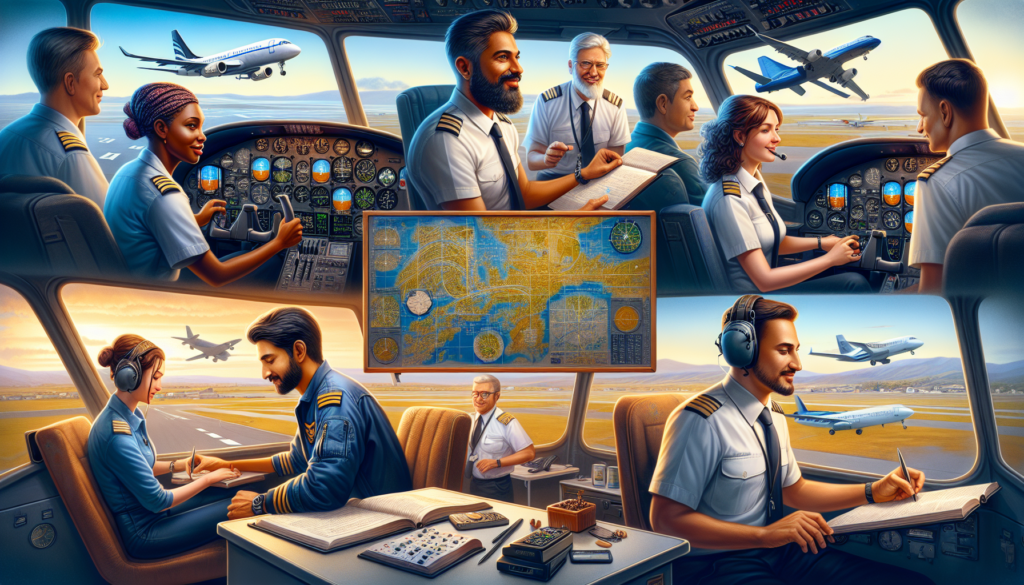
Understanding the Foundations of Aviation Education
Aviation education is the cornerstone for anyone aspiring to take to the skies. Whether you dream of flying recreationally or pursuing a professional career, a structured learning path is essential. This education encompasses theoretical knowledge, practical skills, and safety protocols that prepare students for various pilot certifications.
From understanding aerodynamics to mastering navigation systems, aviation education lays the groundwork for all levels of flight training. It ensures that pilots are well-equipped to operate aircraft efficiently and safely in diverse environments.
Exploring Flight Training: From Sport to Commercial Levels
Sport Pilot Training
Sport pilot training is an ideal starting point for individuals interested in flying light-sport aircraft with fewer regulatory requirements. This level of training focuses on fundamental skills, allowing pilots to enjoy flying with a simplified certification process. It covers basic maneuvers, safety practices, and local navigation, making it accessible and appealing for recreational flyers.
Private Pilot Training
Private pilot training is the next step for those seeking broader flying privileges. This training involves comprehensive instruction on flight operations, cross-country navigation, and night flying. Students develop proficiency in handling various flight scenarios, enhancing their confidence and competence in the cockpit.
Commercial Pilot Training
Commercial pilot training prepares students for a professional career in aviation. This rigorous program emphasizes advanced flight techniques, precision, and adherence to industry standards. Trainees acquire the skills necessary to operate complex aircraft, manage in-flight emergencies, and comply with regulatory requirements, paving the way for employment opportunities in airlines and other commercial aviation sectors.
The Importance of Instrument Training
Instrument training is critical for pilots who wish to fly under instrument flight rules (IFR). This specialized instruction teaches pilots to rely on cockpit instruments for navigation and control when visual references are limited due to weather or other factors. Mastering instrument procedures enhances safety and expands a pilot’s operational capabilities.
Advanced and instrument ground instruction complements practical flight experience by providing in-depth knowledge of meteorology, avionics, and air traffic control communications. This ground-based education prepares pilots to interpret instrument readings accurately and make informed decisions during instrument flight conditions.
Choosing the Right Aviation Education Pathway
Selecting the appropriate training program depends on your aviation goals and experience level. Beginning with sport pilot training can offer a cost-effective introduction to flying, while private pilot training builds a solid foundation for more advanced certifications. For those aiming for a career in aviation, commercial pilot training combined with comprehensive instrument training is essential.
Investing in quality aviation education and flight training ensures that you develop the skills, knowledge, and confidence needed to soar to new heights in your flying journey. Whether for personal fulfillment or professional ambition, each step of training brings you closer to achieving your aviation dreams.