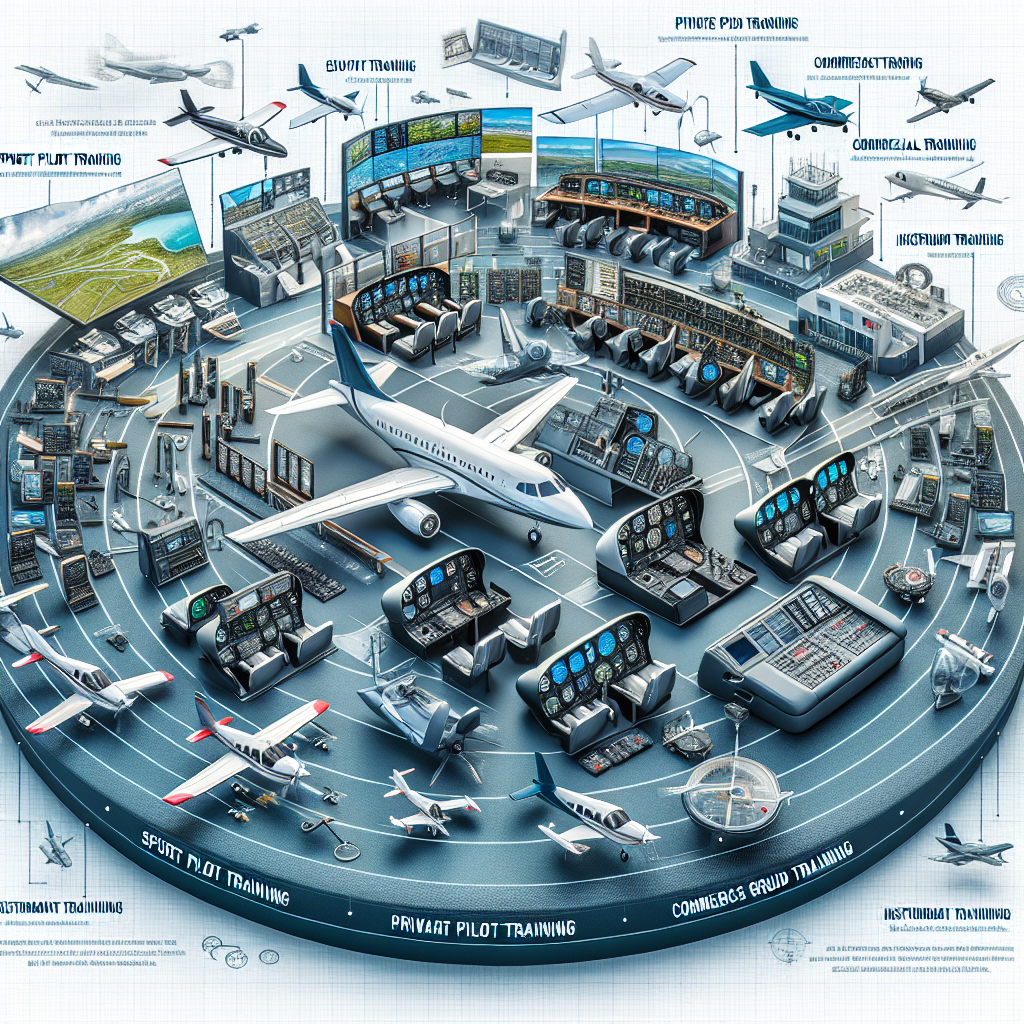
Understanding the Foundations of Aviation Education
Aviation education serves as the cornerstone for anyone aspiring to take to the skies. Whether you are intrigued by the mechanics of flight or the operational aspects of aviation, a solid educational foundation is crucial. It encompasses both theoretical knowledge and practical skills that prepare you for the challenges of piloting an aircraft.
Quality aviation education covers a broad range of topics, including aerodynamics, meteorology, navigation, and aviation regulations. This comprehensive approach ensures that students develop a well-rounded understanding necessary for safe and effective flight training.
Starting Your Journey with Sport Pilot Training
For those new to aviation, sport pilot training offers an accessible entry point. This level of flight training is designed for individuals who want to fly smaller, light-sport aircraft and typically requires fewer flight hours compared to private pilot training.
Sport pilot training emphasizes fundamental flying skills and basic safety procedures, making it an excellent choice for recreational flyers. It also serves as a stepping stone toward more advanced certifications, providing a practical introduction to the world of aviation.
Advancing Through Private Pilot Training
Once you have established basic flight skills, private pilot training is the next step to expand your capabilities. This phase of flight training focuses on mastering more complex maneuvers, cross-country flights, and night flying, enhancing both your confidence and competence in the cockpit.
Private pilot training also introduces more detailed knowledge of aviation regulations and navigational techniques. Successfully obtaining a private pilot license opens up numerous opportunities for personal and professional aviation activities.
Mastering the Skies with Commercial Pilot Training
Commercial pilot training is designed for those who aim to pursue aviation as a career. This advanced stage of flight training builds upon the skills acquired during private pilot training and requires a higher level of proficiency and knowledge.
In addition to extensive flight hours, commercial pilot training covers complex aircraft systems, advanced navigation, and emergency procedures. It prepares pilots to operate aircraft safely under various conditions, fulfilling the stringent requirements of commercial aviation.
Enhancing Skills Through Instrument Training
Instrument training is a critical component of aviation education that enables pilots to fly under instrument flight rules (IFR). This training focuses on developing the ability to navigate and control an aircraft solely by reference to instruments, without relying on visual cues.
Advanced and instrument ground instruction complement practical instrument flight training by deepening your understanding of avionics, weather interpretation, and IFR procedures. Mastery of instrument flying significantly enhances safety and operational versatility for all pilot levels.
Choosing the Right Flight Training Program
Selecting a flight training program that aligns with your goals is essential for success. Whether you are interested in sport pilot training for recreational purposes or commercial pilot training for a professional career, ensure the program offers comprehensive instruction and experienced instructors.
Look for programs that incorporate advanced and instrument ground instruction alongside hands-on flight training to provide a balanced and effective learning experience. A well-structured curriculum coupled with practical exposure will set you on the path to achieving your aviation aspirations.