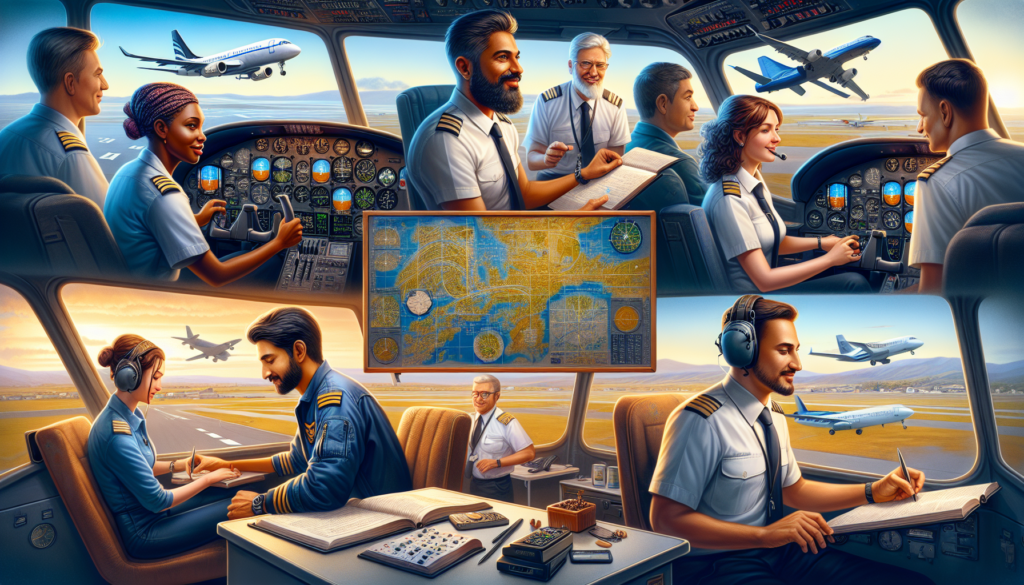
Understanding Aviation Education
Aviation education serves as the foundation for anyone aspiring to build a career in the dynamic world of aviation. It encompasses a broad range of learning experiences, from theoretical knowledge to practical flight skills. Whether you aim to become a private pilot or a commercial aviator, a comprehensive education is essential for success and safety in the skies.
Programs offering aviation education provide students with access to knowledgeable instructors, state-of-the-art flight simulators, and up-to-date curriculum designed to meet industry standards. This ensures that learners are well-prepared to meet the challenges of modern aviation and regulatory requirements.
Flight Training: The Path to Your Pilot’s License
Flight training is a critical component of becoming a certified pilot. It involves hands-on instruction in actual flight conditions, where students learn to operate aircraft safely and efficiently. Flight training programs vary based on the type of pilot certification sought, from sport pilots to commercial aviators.
Sport Pilot Training
Sport pilot training is ideal for individuals seeking a more accessible entry into aviation. This training focuses on flying lightweight, simple aircraft under visual flight rules. It requires fewer flight hours than other certifications, making it a popular choice for hobbyists and those with limited time or budget.
Private Pilot Training
Private pilot training is the next step for many aviation enthusiasts. It offers a more comprehensive education, covering advanced maneuvers, navigation, and basic instrument flying. This certification allows pilots to fly a wider range of aircraft and carry passengers but not for compensation or hire.
Commercial Pilot Training
Commercial pilot training prepares students to operate aircraft professionally. This rigorous program emphasizes advanced flight skills, safety protocols, and regulatory knowledge. Commercial pilots can be employed by airlines, charter companies, and other aviation-related businesses, making this training essential for a professional aviation career.
Instrument Training
Instrument training is vital for pilots who want to fly in varying weather conditions and rely on cockpit instruments rather than visual cues. Mastery of instrument flying enhances safety and expands operational capabilities, allowing pilots to navigate through clouds, fog, and low visibility environments.
Advanced and Instrument Ground Instruction
Ground instruction complements flight training by providing essential theoretical knowledge. Advanced and instrument ground instruction covers subjects such as aerodynamics, meteorology, navigation, and FAA regulations. This classroom-based learning ensures pilots understand the principles behind their in-flight actions.
These ground courses are often prerequisites for advanced certifications and are critical for passing written examinations required by aviation authorities. By mastering both ground and flight instruction, aspiring pilots develop the skills necessary to excel in their aviation careers.