Understanding Aviation Education
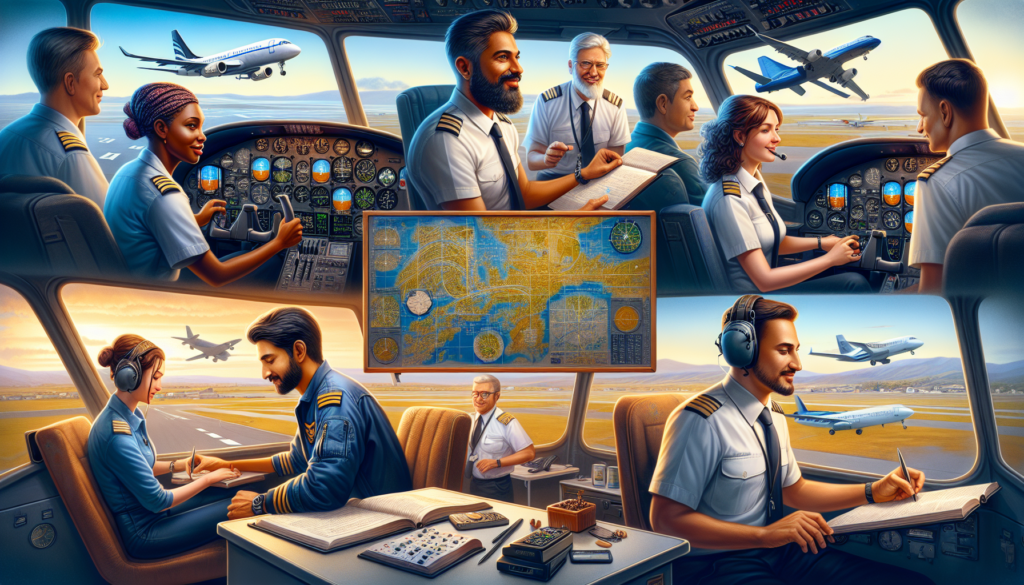
Aviation education is the foundation for anyone aspiring to take to the skies, whether as a hobby or a professional career. It encompasses a wide range of learning experiences, from theoretical knowledge about aerodynamics and meteorology to practical skills in flight operations.
Quality aviation education combines classroom instruction with hands-on flight training, ensuring students develop both cognitive understanding and real-world piloting competence. This balanced approach prepares candidates for various pilot certifications and licenses.
Flight Training: The Pathway to Becoming a Pilot
Flight training is the core component of aviation education where students learn to operate aircraft under the guidance of certified flight instructors. It is structured progressively, beginning with basic maneuvers and advancing to complex flying situations.
Whether you’re interested in recreational flying or pursuing a professional career, tailored flight training programs are available to suit your goals. Each stage of training builds on the last, ensuring a safe and comprehensive learning experience.
Sport Pilot Training: Taking Your First Flight
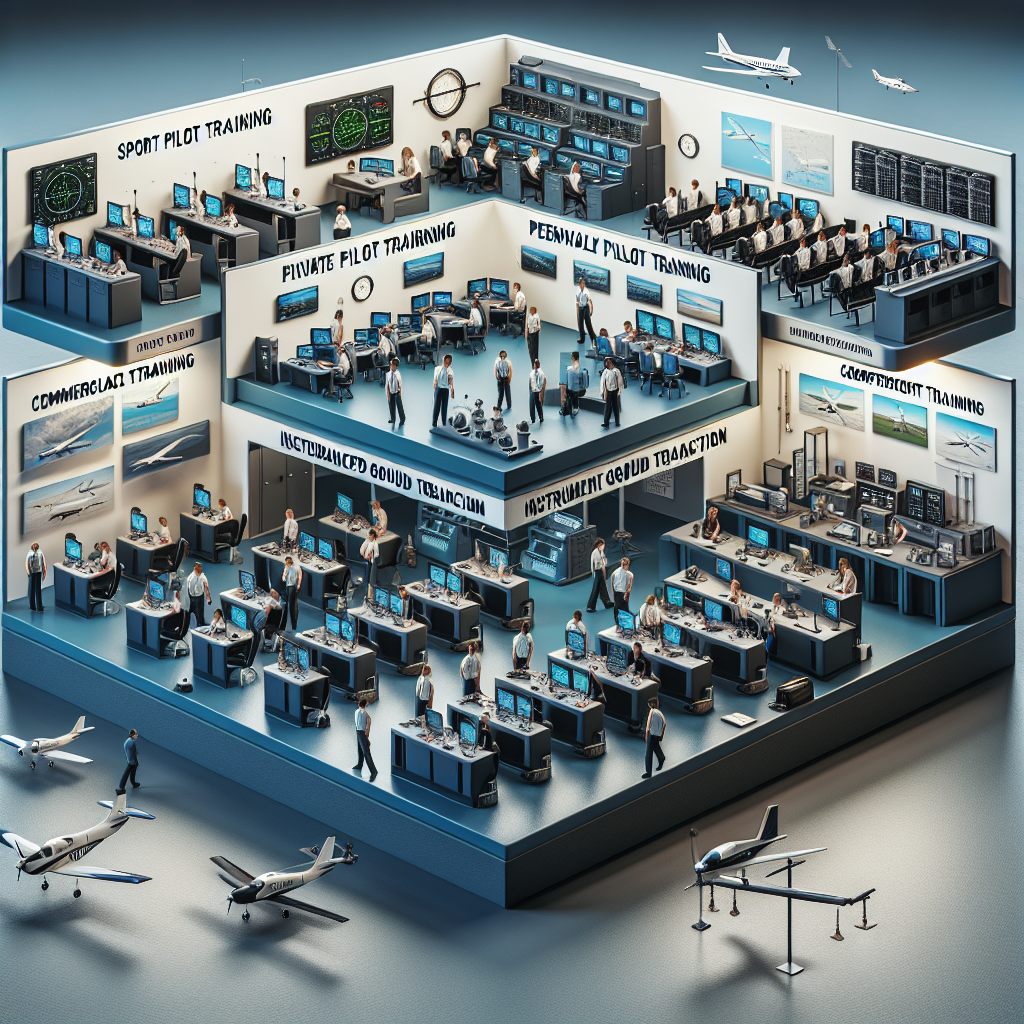
Sport pilot training is ideal for those who want to fly light-sport aircraft with fewer regulatory requirements. It offers an accessible entry point into aviation education for hobbyists and enthusiasts.
This training focuses on the essentials of pilot skills, aircraft handling, and safety, allowing students to earn a sport pilot certificate. The curriculum is streamlined but thorough, emphasizing practical experience and basic aeronautical knowledge.
Private Pilot Training: Expanding Your Horizons
Private pilot training is the next step for those seeking greater privileges in the cockpit and the ability to fly a broader range of aircraft. This level includes more detailed instruction in navigation, communication, and emergency procedures.
Students undergo both flight training and ground instruction that covers advanced aerodynamics, airspace rules, and weather interpretation. Successfully completing this training opens opportunities for cross-country flying and carrying passengers.
Commercial Pilot Training: Preparing for a Professional Career
Commercial pilot training prepares aspiring pilots to enter the aviation industry as professionals. It involves rigorous flight hours, advanced maneuvers, and in-depth knowledge of aviation regulations and safety standards.
This phase of aviation education builds on prior certifications and includes training on complex aircraft systems, precision flying, and operational decision-making. Graduates are qualified to be compensated for their services as commercial pilots.
Instrument Training: Mastering Flight in All Conditions
Instrument training is critical for pilots who wish to fly safely in low visibility and challenging weather conditions. It teaches the use of cockpit instruments and navigation aids to maintain situational awareness when visual cues are limited.
Through both flight and simulator sessions, students gain proficiency in instrument approaches, holding patterns, and IFR (Instrument Flight Rules) procedures. This training enhances safety and expands operational capabilities.
Advanced and Instrument Ground Instruction: Building a Strong Theoretical Base
Advanced and instrument ground instruction provides the essential theoretical knowledge required for higher-level pilot certifications. Topics include meteorology, aerodynamics, navigation, and aviation regulations.
These ground school sessions complement practical flight training by preparing students for written exams and ensuring a deep