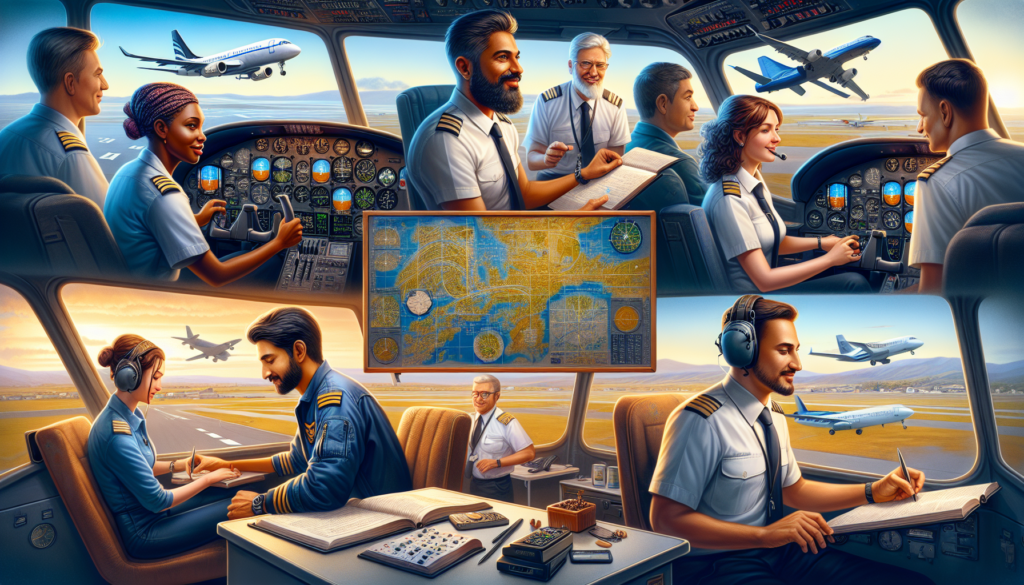
Understanding Aviation Education
Aviation education is the foundation for anyone aspiring to take to the skies. It encompasses a broad spectrum of knowledge and practical skills required to become a proficient pilot. Whether you aim to fly recreationally or pursue a professional career, a solid educational background is essential to success and safety in aviation.
Comprehensive aviation education covers aerodynamics, meteorology, navigation, aviation regulations, and aircraft systems. This theoretical knowledge is crucial before commencing any hands-on flight training and helps build the confidence needed to operate an aircraft effectively.
Flight Training: From Sport to Commercial Levels
Sport Pilot Training
Sport pilot training is an excellent entry point for those interested in flying smaller, lighter aircraft for recreational purposes. This type of training focuses on the basics of flight, emphasizing safety and fundamental piloting skills. Sport pilot certification requires fewer flight hours compared to other licenses, making it a cost-effective option.
Private Pilot Training
Private pilot training is the next step for those seeking broader flying privileges. This training involves more advanced flight maneuvers, cross-country flying, and night operations. Private pilot certification allows you to fly larger aircraft and carry passengers, opening more opportunities for personal and professional flying.
Commercial Pilot Training
For those aiming to pursue aviation as a career, commercial pilot training is essential. This level of training is rigorous, focusing on advanced flight techniques, complex aircraft systems, and professional standards. Commercial pilot certification enables you to be compensated for your flying skills and is a gateway to careers in airlines, charter services, and more.
Instrument Training and Advanced Ground Instruction
Instrument training is vital for pilots who want to operate aircraft under various weather conditions using only their instruments. This training enhances safety by teaching pilots to rely on cockpit instruments for navigation and control when visual cues are limited or unavailable.
Advanced and instrument ground instruction complements flight training by deepening a pilot’s understanding of navigation, weather interpretation, and instrument procedures. Ground instruction prepares pilots for successful instrument training and helps ensure proficiency in complex flight environments.
Choosing the Right Flight School
Selecting the right flight school is a critical step in your aviation education journey. Look for schools that offer comprehensive programs covering sport pilot training, private pilot training, commercial pilot training, and instrument training. Accreditation, experienced instructors, modern aircraft, and a strong safety record should also influence your decision.
Many reputable flight schools provide integrated ground instruction with hands-on flight training, ensuring a balanced approach to learning. Whether you are starting with sport pilot training or advancing to commercial pilot training, quality education and support are key to reaching new heights in your aviation career.