Understanding Aviation Education
Aviation education serves as the foundation for anyone aspiring to become a pilot or work within the aerospace industry. It encompasses a wide range of learning opportunities, from theoretical knowledge to practical skills essential for safe and effective flight operations.
Whether you are interested in soaring through the skies as a hobbyist or pursuing a professional career, a comprehensive understanding of aviation principles is crucial. This includes aerodynamics, navigation, meteorology, and aviation regulations.
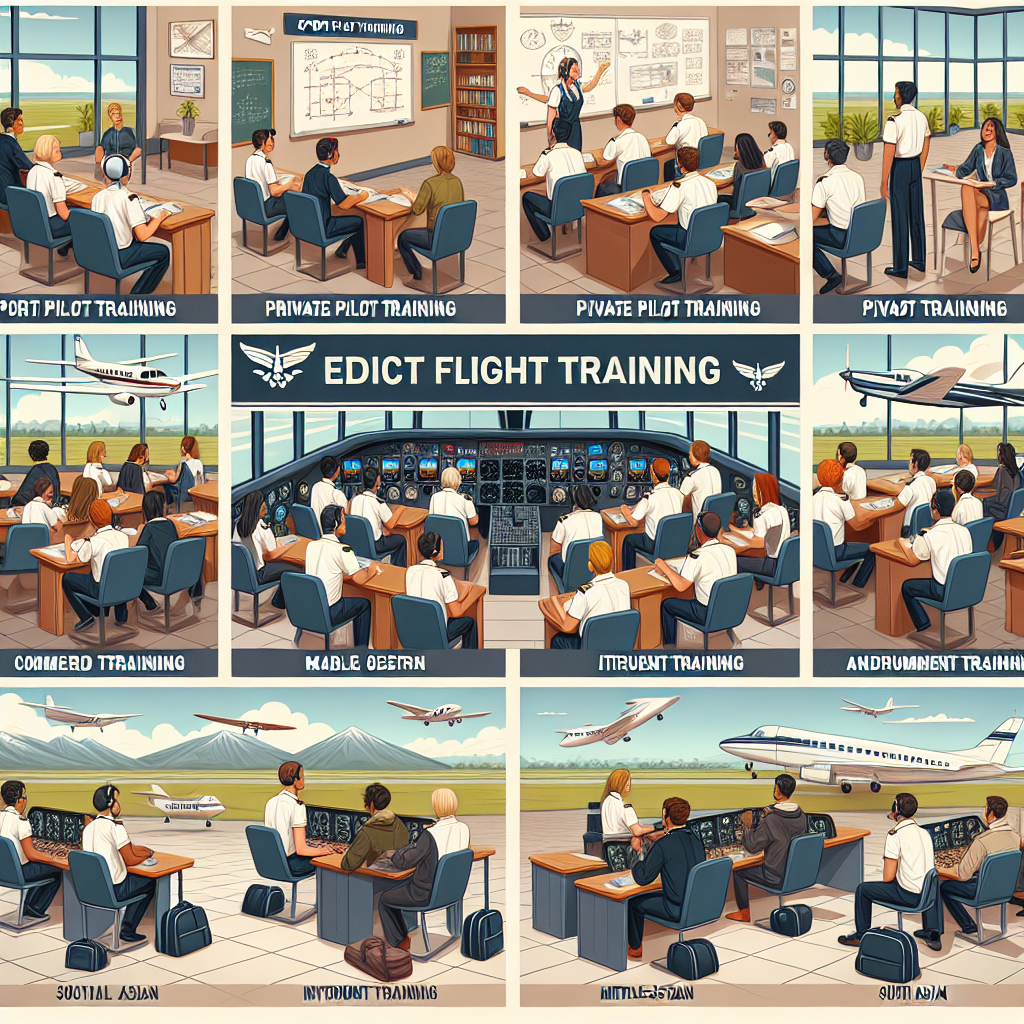
Flight Training: From Sport to Commercial Levels
Flight training is a critical component of aviation education, designed to develop the skills and confidence needed to operate an aircraft safely. There are several progressive levels in pilot training, each building upon the last to equip aspiring pilots with the necessary expertise.
Sport Pilot Training
Sport pilot training is ideal for beginners who want to learn to fly light-sport aircraft. This level focuses on fundamental flight skills, basic navigation, and understanding weather conditions. It offers a flexible and affordable entry point into aviation, allowing pilots to fly under daytime visual flight rules.
Private Pilot Training
Private pilot training expands on sport pilot skills with more in-depth instruction on flight maneuvers, cross-country navigation, and night flying. This certification enables pilots to carry passengers and fly in a wider range of conditions, making it a popular choice for aviation enthusiasts.
Commercial Pilot Training
Commercial pilot training prepares pilots to operate aircraft for compensation or hire. It requires advanced flight skills, rigorous knowledge of aviation regulations, and proficiency in complex maneuvers. Successful completion opens career opportunities in airline transport, charter services, and other professional aviation sectors.
Instrument Training and Advanced Ground Instruction
Instrument training is essential for pilots who wish to fly in varied weather conditions using only the aircraft’s instruments. This training enhances a pilot’s ability to navigate through clouds, low visibility, and other challenging environments safely.
Advanced and instrument ground instruction complement practical flight training by providing the theoretical foundation necessary for understanding instrument flight rules (IFR), aviation weather, and navigation systems. This classroom-based education is vital for passing written exams and achieving certification milestones.
Charting Your Path in Aviation
Choosing the right combination of aviation education and flight training is key to reaching your individual goals, whether recreational or professional. By starting with sport pilot training and progressing through private and commercial levels, you can build a solid foundation and gain the expertise needed for a successful career in aviation.
Remember, continuous learning and hands-on experience are the cornerstones of becoming a competent pilot. Embrace every step of your training journey and take advantage of both flight time and ground instruction to soar to new heights.