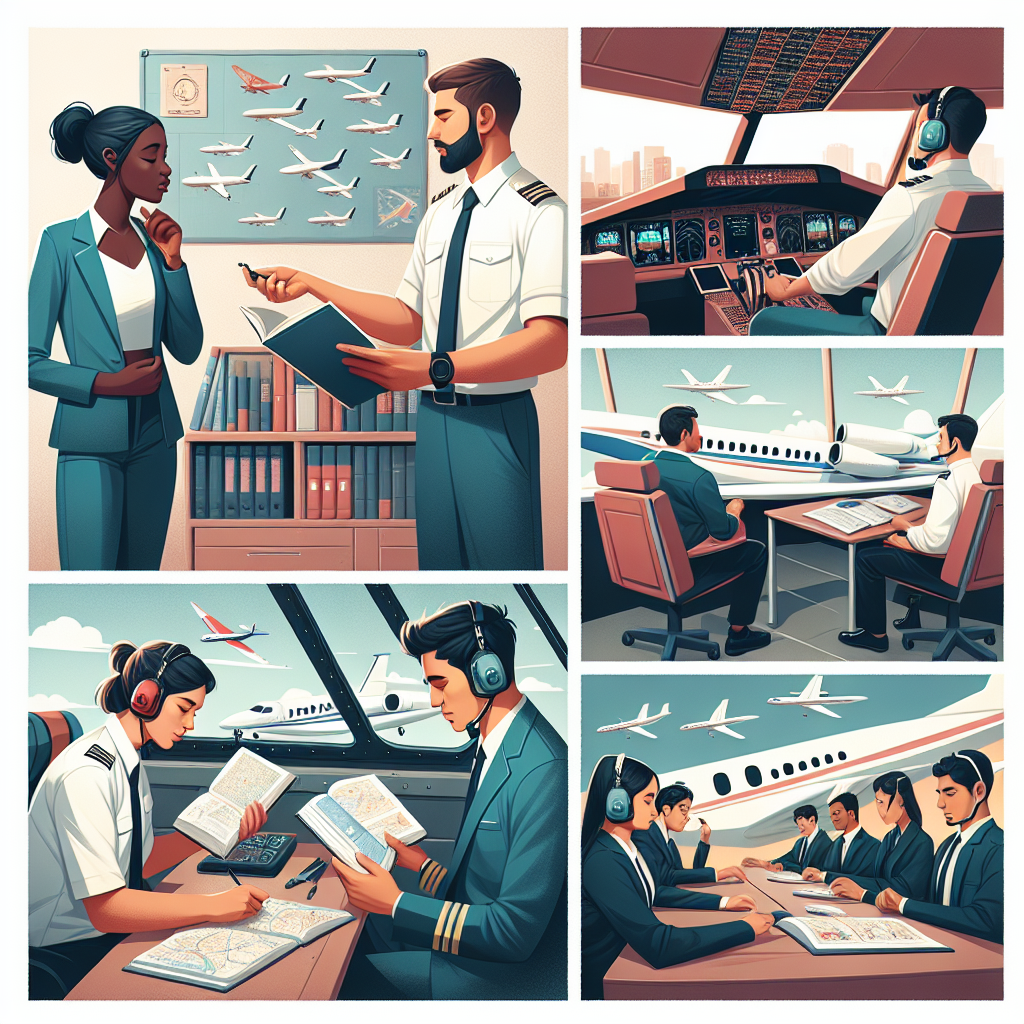
Introduction to Aviation Education
Aviation education is the foundation for anyone aspiring to take to the skies, whether for recreational purposes or a professional career. It encompasses a wide range of learning opportunities, from understanding basic aerodynamics to mastering complex navigation systems. With the increasing demand for skilled pilots, comprehensive flight training programs have become more accessible and structured than ever before.
Sport Pilot Training: Your First Step in the Sky
Sport pilot training offers an entry-level pathway for individuals looking to experience flying with minimal regulatory hurdles. It is ideal for those who want to fly light-sport aircraft for personal enjoyment without the extensive requirements of advanced licenses. This type of aviation education focuses on the essentials of flight, safety protocols, and basic navigation, providing a solid foundation for further pilot training.
Private Pilot Training: Expanding Your Horizons
Private pilot training is the next critical step for aspiring pilots who want greater freedom and flexibility in their flying activities. This phase of flight training delves deeper into aircraft systems, weather interpretation, and advanced flight maneuvers. Students also begin instrument training to prepare for flying in varied weather conditions, enhancing their skills and confidence in the cockpit.
Commercial Pilot Training: Preparing for a Professional Career
Commercial pilot training is designed for those who aim to fly professionally, whether for airlines, charter companies, or other commercial operations. This stage involves rigorous flight training, including advanced and instrument ground instruction, to ensure pilots are proficient in handling complex aircraft and demanding flight scenarios. Strong emphasis is placed on safety, decision-making, and regulatory compliance to meet industry standards.
Instrument Training: Mastering Flight in All Conditions
Instrument training is a vital component across all levels of pilot training, enabling pilots to operate aircraft safely under instrument flight rules (IFR). This specialized education focuses on navigation using instruments rather than visual references, teaching pilots to manage adverse weather and low-visibility situations. Mastery of instrument flying significantly broadens a pilot’s capabilities and career opportunities.
Advanced and Instrument Ground Instruction: The Key to Success
Advanced and instrument ground instruction complements practical flight training by building a strong theoretical understanding of aviation principles, regulations, and systems. These classroom-based sessions cover topics such as meteorology, aerodynamics, aircraft performance, and navigation techniques. Ground instruction is essential for passing written exams and for developing the decision-making skills necessary for safe and effective flying.
Conclusion
Embarking on a journey through aviation education and pilot training requires dedication, passion, and structured learning. From sport pilot training to commercial pilot certification, each step builds upon the last to develop proficient, confident pilots ready to soar to new heights. Whether you’re pursuing flying as a hobby or a career, comprehensive flight training and education are your ultimate tools for success in the skies.