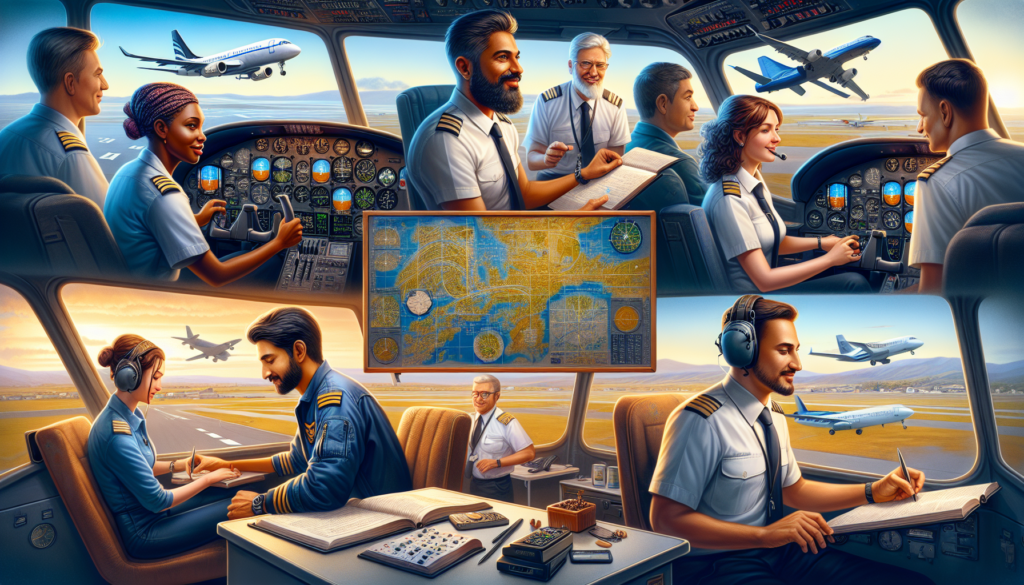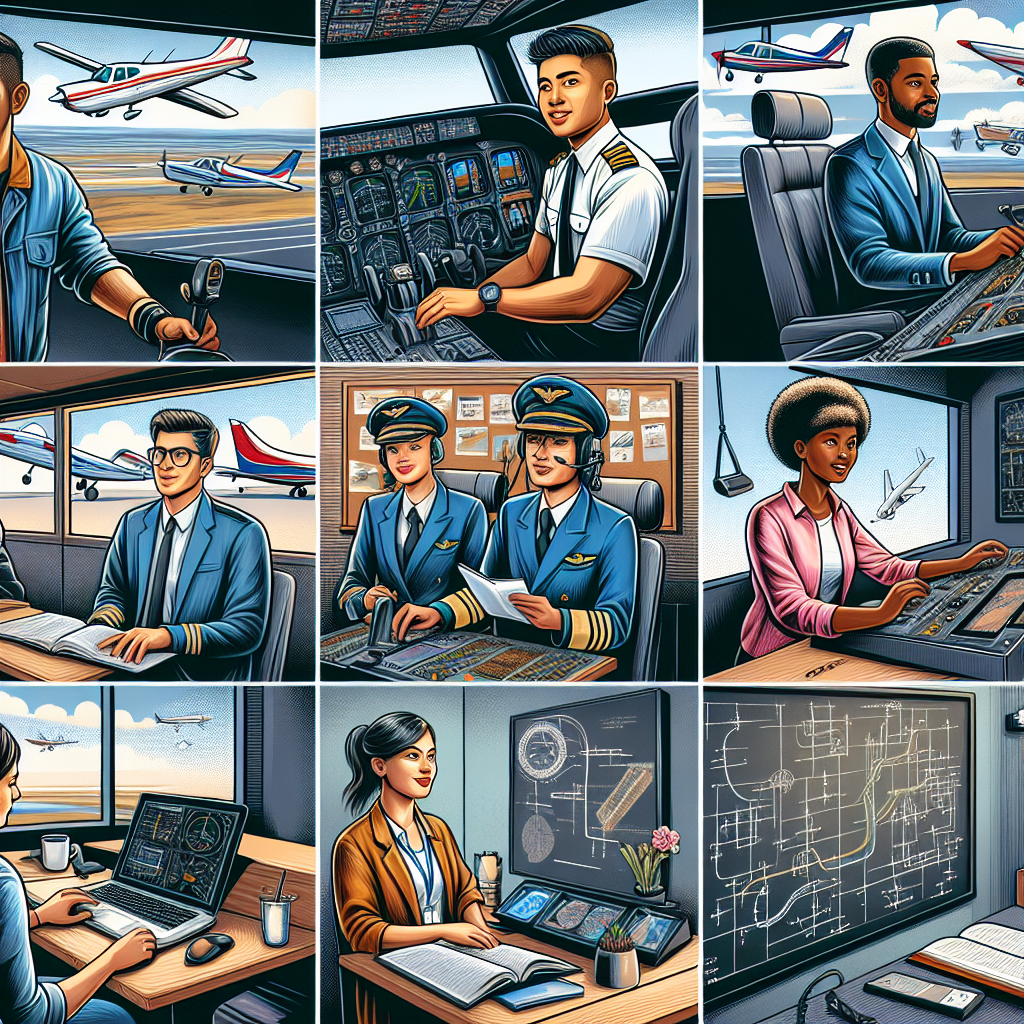
Understanding the Foundations of Aviation Education
Aviation education is the cornerstone of a successful career in flying, offering aspiring pilots the knowledge and skills necessary for safe and proficient flight. Whether you are interested in recreational flying or aiming for a professional pilot career, a comprehensive understanding of aviation principles is essential.
High-quality aviation education programs integrate theoretical knowledge with practical flight training, ensuring students develop both cognitive and hands-on expertise. Ground instruction covers critical topics such as aerodynamics, meteorology, navigation, and aviation regulations, preparing students for the challenges they will face in the cockpit.
Starting Your Journey: Sport Pilot Training
Sport pilot training is an excellent entry point for individuals passionate about flying but seeking a less intensive commitment. This training pathway allows pilots to operate light-sport aircraft under specific restrictions, making it ideal for recreational flying enthusiasts.
During sport pilot training, students learn essential flight maneuvers, cross-country navigation, and safety procedures. The curriculum emphasizes practical experience, often enabling students to solo in fewer hours compared to traditional pathways. This makes it a cost-effective and accessible option for many aspiring aviators.
Advancing Skills with Private Pilot Training
Private pilot training represents a significant step up, offering greater privileges and flexibility than sport pilot certification. This training prepares students to fly a broader range of aircraft and carry passengers, making it a popular choice for serious aviation enthusiasts and those considering a professional career.
Through private pilot training, students receive comprehensive flight instruction combined with detailed ground school covering navigation, weather, and aircraft systems. Emphasis is placed on precision flying, emergency procedures, and solo cross-country flights, fostering confidence and competence in various flying conditions.
Reaching Professional Standards: Commercial Pilot Training
For those aspiring to a career in aviation, commercial pilot training is essential. This advanced training enables pilots to be compensated for their flying services and qualifies them to operate complex aircraft in diverse environments.
Commercial pilot training intensifies flight instruction, focusing on precision, efficiency, and advanced maneuvers. Students undertake higher hours of flight time, including night flying and instrument operations, to meet regulatory standards. The curriculum also addresses crew resource management and aviation professionalism, preparing pilots for the demands of commercial aviation.
Mastering the Skies with Instrument Training
Instrument training is critical for pilots seeking to operate safely in low-visibility conditions and under instrument flight rules (IFR). This specialized training enhances a pilot’s ability to rely on cockpit instruments rather than visual cues, expanding their operational capabilities.
During instrument training, pilots learn to interpret and respond to complex instrument data, execute precise approaches, and navigate challenging weather scenarios. The program includes advanced and instrument ground instruction, combining classroom learning with simulator practice and in-flight experience to build proficiency and confidence.
Integrating Advanced and Instrument Ground Instruction
Advanced and instrument ground instruction form the theoretical backbone of specialized flight training. These sessions delve deeper into topics such as complex navigation systems, meteorological phenomena, and regulatory compliance, equipping pilots with the intellectual tools needed for safe and effective flight.
Effective ground instruction complements flight training by reinforcing concepts and preparing students for written exams and practical tests. It ensures that pilots not