Understanding Aviation Education
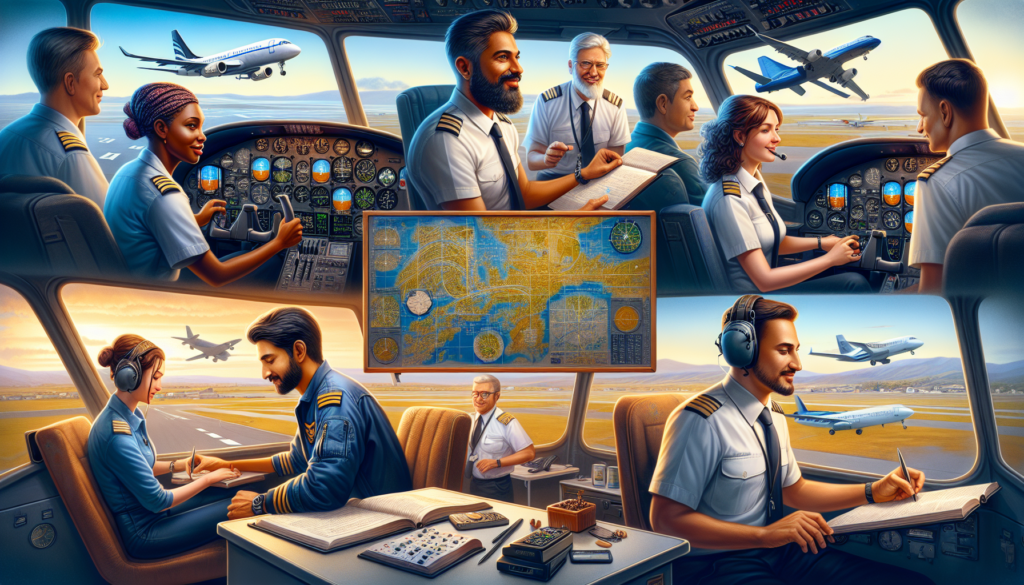
Aviation education lays the foundation for aspiring pilots and aviation professionals. It encompasses a broad range of learning opportunities, from theoretical knowledge to practical skills that are critical for safe and efficient flying.
Whether you’re just beginning your journey or seeking to advance your career, a comprehensive aviation education ensures you gain the necessary expertise in aerodynamics, navigation, meteorology, and aviation regulations.
Flight Training: Building Your Skills in the Sky
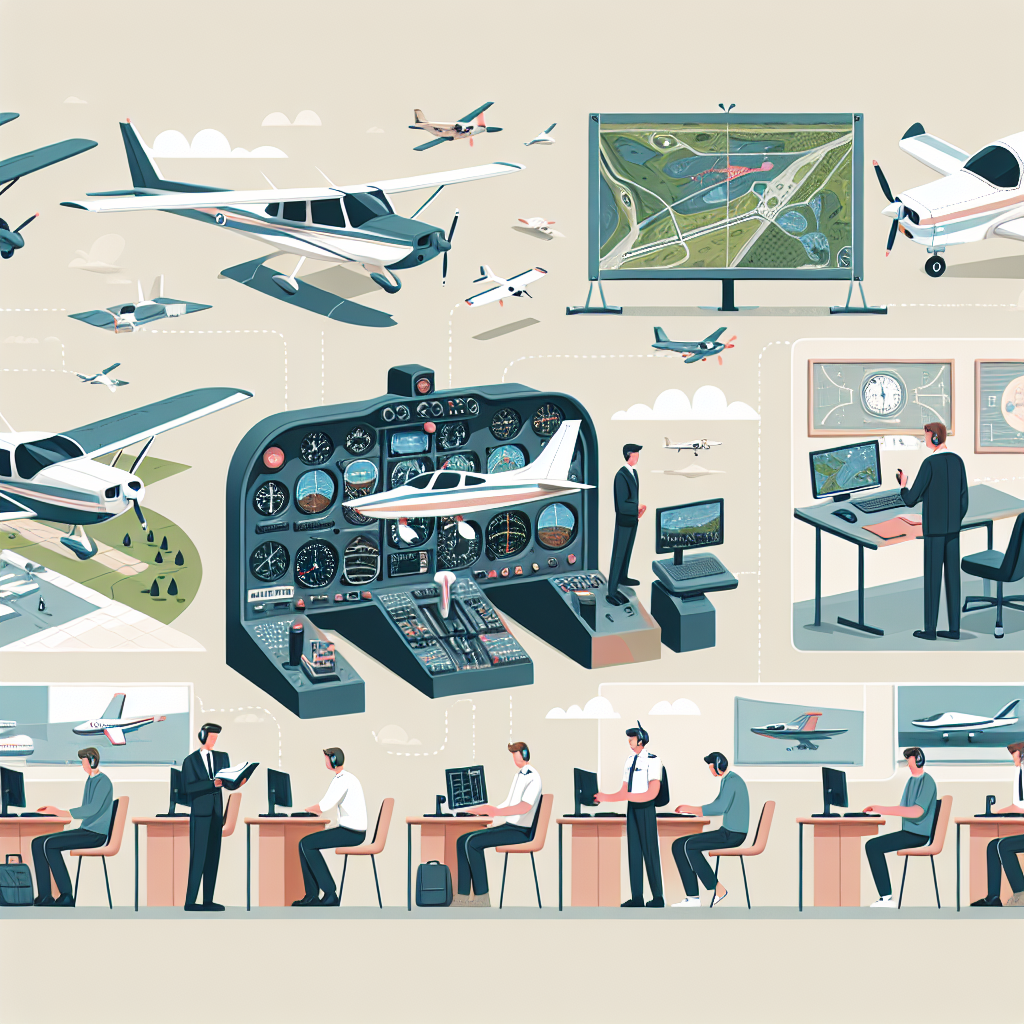
Flight training is the practical component of becoming a proficient pilot. It involves hands-on instruction in real aircraft or advanced flight simulators, guiding students through essential maneuvers, emergency procedures, and flight operations.
Structured flight training programs are designed to progressively build confidence and competence, starting from basic flight principles to complex navigation and instrument flying.
Sport Pilot Training
Sport pilot training offers an accessible entry point for those interested in flying light-sport aircraft. This training focuses on basic flight skills, aircraft handling, and safety protocols, making it ideal for recreational pilots.
With fewer restrictions than private pilot training, sport pilot training provides a quicker path to the skies while maintaining high safety standards.
Private Pilot Training
Private pilot training is the first major milestone for most aspiring aviators. This program covers comprehensive flight instruction, including cross-country flying, night operations, and emergency procedures.
Completing private pilot training equips students with the credentials to fly solo or carry passengers for non-commercial purposes, opening the door to further aviation opportunities.
Commercial Pilot Training
Commercial pilot training prepares students for professional flying careers. This advanced program requires mastery of complex flight maneuvers, multi-engine operations, and adherence to commercial aviation standards.
Graduates of commercial pilot training are qualified to fly for airlines, charter companies, and other commercial aviation entities.
Instrument Training
Instrument training is essential for pilots seeking to operate safely in various weather conditions and low-visibility environments. This training emphasizes flying solely by reference to aircraft instruments, enhancing situational awareness and precision.
Pilots who complete instrument training can obtain their Instrument Rating, a critical certification for advancing in both private and commercial pilot careers.
Advanced and Instrument Ground Instruction
Advanced and instrument ground instruction complements flight training by providing the theoretical background necessary for mastering instrument flying and complex aviation systems.
These ground courses cover topics such as advanced navigation, flight planning, weather analysis, and aviation regulations, preparing students for written examinations and practical flight scenarios.