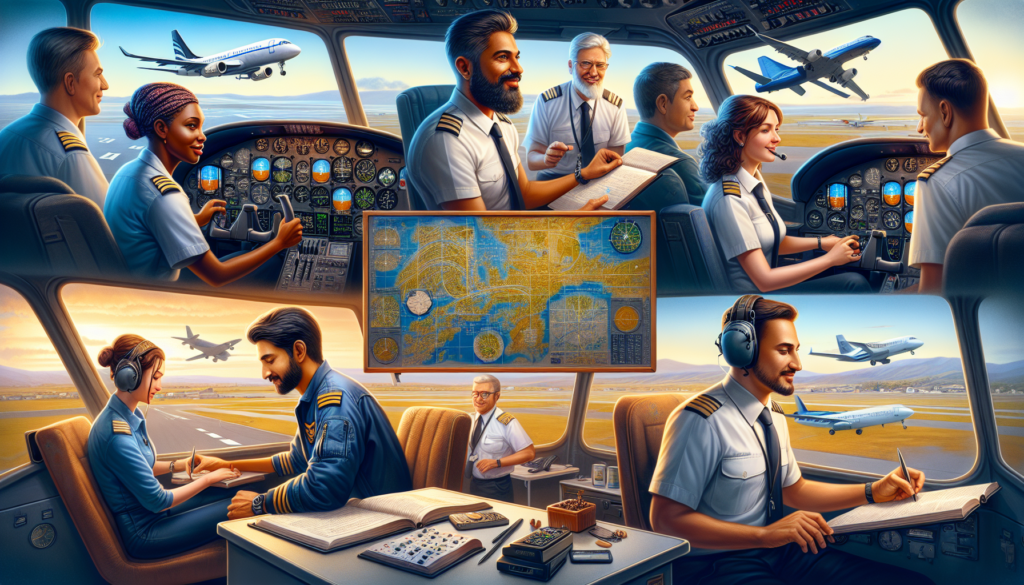
Understanding Aviation Education and Its Importance
Aviation education serves as the foundation for aspiring pilots and aviation professionals. It encompasses a wide range of training programs designed to equip students with the knowledge, skills, and certifications necessary to succeed in the aviation industry.
Whether you’re interested in pursuing a career as a sport pilot or aiming for commercial pilot certification, comprehensive aviation education ensures you meet all regulatory requirements and develop safe flying practices.
Flight Training: From Sport to Commercial Levels
Sport Pilot Training
Sport pilot training is an excellent starting point for individuals new to aviation. This level of flight training focuses on basic flying skills, aircraft handling, and understanding aviation regulations applicable to light sport aircraft.
Completing sport pilot training allows you to operate smaller aircraft and gain valuable experience before progressing to more advanced certifications.
Private Pilot Training
Private pilot training builds on the fundamentals learned during sport pilot training. It involves more rigorous instruction, including navigation, cross-country flying, and night operations.
This phase of flight training prepares you to fly a wider variety of aircraft and under more complex conditions, opening doors to recreational and personal flying opportunities.
Commercial Pilot Training
For those aiming to make flying a career, commercial pilot training is essential. This stage focuses on advanced flight maneuvers, complex aircraft systems, and adherence to commercial aviation standards.
Commercial pilot training equips you with the skills to operate aircraft professionally, whether in passenger transport, cargo, or other commercial aviation sectors.
Instrument Training and Advanced Ground Instruction
Instrument Training
Instrument training is a critical component of advanced flight training. It enables pilots to fly safely in various weather conditions by relying solely on aircraft instruments.
This training improves a pilot’s situational awareness and decision-making skills, which are vital for both private and commercial flight operations.
Advanced and Instrument Ground Instruction
Complementing practical flight hours, advanced and instrument ground instruction provides the theoretical knowledge necessary for instrument rating and other advanced certifications.
These ground sessions cover topics such as meteorology, navigation systems, airspace regulations, and flight planning, ensuring a well-rounded aviation education.
Choosing the Right Flight School for Your Aviation Journey
Selecting the right flight school is a pivotal step in your aviation education. Look for institutions that offer comprehensive flight training programs from sport pilot training through commercial pilot training and instrument instruction.
A reputable flight school will have qualified instructors, modern training aircraft, and a curriculum that aligns with FAA standards, ensuring you receive quality education and training throughout your aviation career.
Conclusion
Embarking on your aviation education journey, from sport pilot training to commercial pilot training and instrument instruction, opens up a world of opportunities. With the right combination of practical flight training and advanced ground instruction, you can soar to new heights in your aviation career.
Investing in comprehensive aviation education not only enhances your flying skills but also prepares you for the challenges and rewards of the ever-evolving aviation industry.