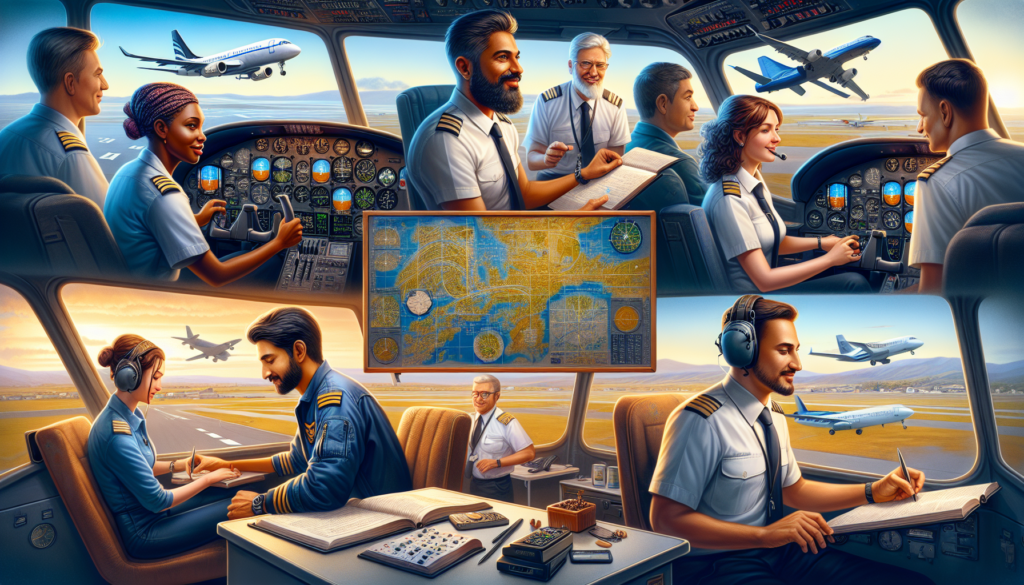
Understanding Aviation Education
Aviation education forms the foundation for anyone aspiring to build a career in the skies. Whether you’re dreaming of piloting recreationally or professionally, gaining a solid grounding in the principles of flight, aircraft systems, navigation, and meteorology is essential. This education encompasses both theoretical knowledge and practical skills necessary to fly safely and confidently.
Many aviation programs offer comprehensive coursework that prepares students for the variety of certifications available. These programs often include classroom instruction, simulator training, and hands-on flight experience to ensure pilots are well-equipped for real-world flying conditions.
Getting Started with Flight Training
Flight training is the critical step where theoretical knowledge meets practical application. It typically begins with introductory flights under the supervision of a certified flight instructor. During this phase, students learn basic maneuvers, takeoffs, landings, and emergency procedures.
Flight training is structured to progress through different pilot certifications, starting with the Sport Pilot and moving up to Private, Commercial, and beyond. Each level brings more complex skills and greater responsibilities.
Sport Pilot Training
Sport pilot training is an excellent entry point for those who want to fly light-sport aircraft with fewer hours and simpler requirements. This training focuses on fundamental flight skills and basic aviation knowledge, allowing pilots to operate under daytime visual flight rules (VFR) and carry fewer passengers.
Private Pilot Training
Private pilot training is the next step for aspiring aviators seeking greater flexibility and privileges. It involves more rigorous flight hours, advanced maneuvers, and comprehensive knowledge of flight regulations and navigation. This certification allows pilots to fly aircraft in a broader range of conditions and carry passengers.
Commercial Pilot Training
Commercial pilot training prepares pilots for professional flying careers. This phase emphasizes precision flying, complex aircraft operations, and compliance with higher safety standards. Pilots learn to operate under instrument flight rules (IFR) and develop proficiency for commercial operations, including charter flights, aerial tours, and other paid services.
Mastering Instrument Training
Instrument training is essential for pilots who want to fly safely in low visibility and challenging weather conditions. This specialized training teaches the use of cockpit instruments to navigate, control, and communicate during flights when visual cues are limited or unavailable.
Successful completion of instrument training enhances a pilot’s qualifications, allowing them to operate under IFR and significantly expanding their operational capabilities and career opportunities.
Advanced and Instrument Ground Instruction
Alongside flight training, advanced and instrument ground instruction provides the detailed theoretical knowledge necessary to master instrument flying. Topics covered include navigation systems, weather analysis, flight planning, and regulations specific to instrument flight. This ground training supports the practical skills gained in the cockpit and is a vital component of comprehensive pilot education.
Charting Your Path from First Flight to Pro Pilot
Pursuing a career in aviation requires dedication, discipline, and a structured training pathway. By beginning with aviation education and progressively advancing through sport pilot training, private pilot training, commercial pilot training, and instrument training, aspiring pilots build the expertise required to excel.
Choosing a reputable flight school that offers integrated advanced and instrument ground instruction will ensure you