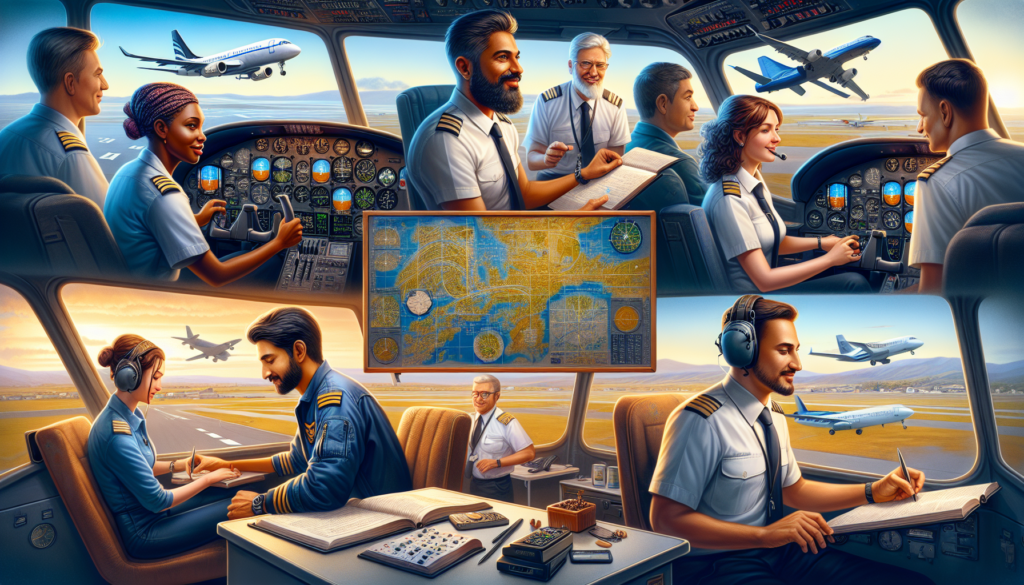
Understanding Aviation Education: The Foundation of Flight
Aviation education serves as the cornerstone for anyone aspiring to take to the skies. Whether you’re dreaming of flying small recreational aircraft or managing commercial airliners, comprehensive knowledge and structured training are essential. This education encompasses not only the technical aspects of flying but also safety protocols, navigation, meteorology, and regulations that govern the aviation industry.
Embarking on aviation education ensures that pilots develop critical decision-making skills and a deep understanding of aircraft operation. From theoretical coursework to hands-on practice, a solid educational foundation sets the stage for successful flight training and certification.
Flight Training Levels: From Sport to Commercial Pilot
Sport Pilot Training
Sport pilot training is an excellent entry point for individuals seeking to enjoy flying with fewer requirements and restrictions. This training focuses on lightweight aircraft and emphasizes basic flight maneuvers, safety, and regulations specific to sport pilots. It offers a cost-effective and accessible pathway for those new to aviation.
During sport pilot training, students gain practical experience and confidence in the cockpit, preparing them for further advancement if desired. This level is ideal for hobbyists and recreational flyers looking to soar above scenic landscapes.
Private Pilot Training
Private pilot training builds upon the foundational skills acquired during sport pilot training, introducing more complex aircraft and advanced flight techniques. This training includes comprehensive ground instruction in navigation, weather, and aerodynamics alongside practical flight hours.
A private pilot certificate grants greater freedom, allowing pilots to fly a broader range of aircraft and carry passengers. The training process emphasizes precision, safety, and adherence to aviation regulations, preparing pilots for both recreational and professional pursuits.
Commercial Pilot Training
Commercial pilot training is designed for those aiming to pursue aviation as a career. This rigorous program develops advanced flying skills, including complex aircraft operations, emergency procedures, and in-depth system knowledge. Aspiring commercial pilots also receive instruction on aviation business practices and regulatory compliance.
Successful completion of commercial pilot training opens doors to professional opportunities such as airline pilot positions, charter services, and flight instruction roles. The training demands a high level of proficiency and commitment, ensuring pilots are equipped to handle diverse flying environments.
Specialized Training: Instrument and Advanced Ground Instruction
Instrument Training
Instrument training is a critical component for pilots seeking to navigate safely in varying weather conditions and low visibility. This specialized flight training teaches pilots to rely on cockpit instruments rather than external visual references, enhancing safety and operational capabilities.
Pilots undergo rigorous practice in simulated and real instrument flight rules (IFR) scenarios, mastering approaches, holds, and navigation using electronic aids. Instrument competence is essential for commercial operations and significantly expands a pilot’s flying opportunities.
Advanced and Instrument Ground Instruction
Complementing flight hours, advanced and instrument ground instruction provides the theoretical knowledge required for mastering instrument flying and complex aviation systems. This instruction covers topics such as advanced aerodynamics, navigation systems, weather analysis, and FAA regulations.
Ground instruction sharpens pilot understanding and decision-making skills, ensuring they are well-prepared