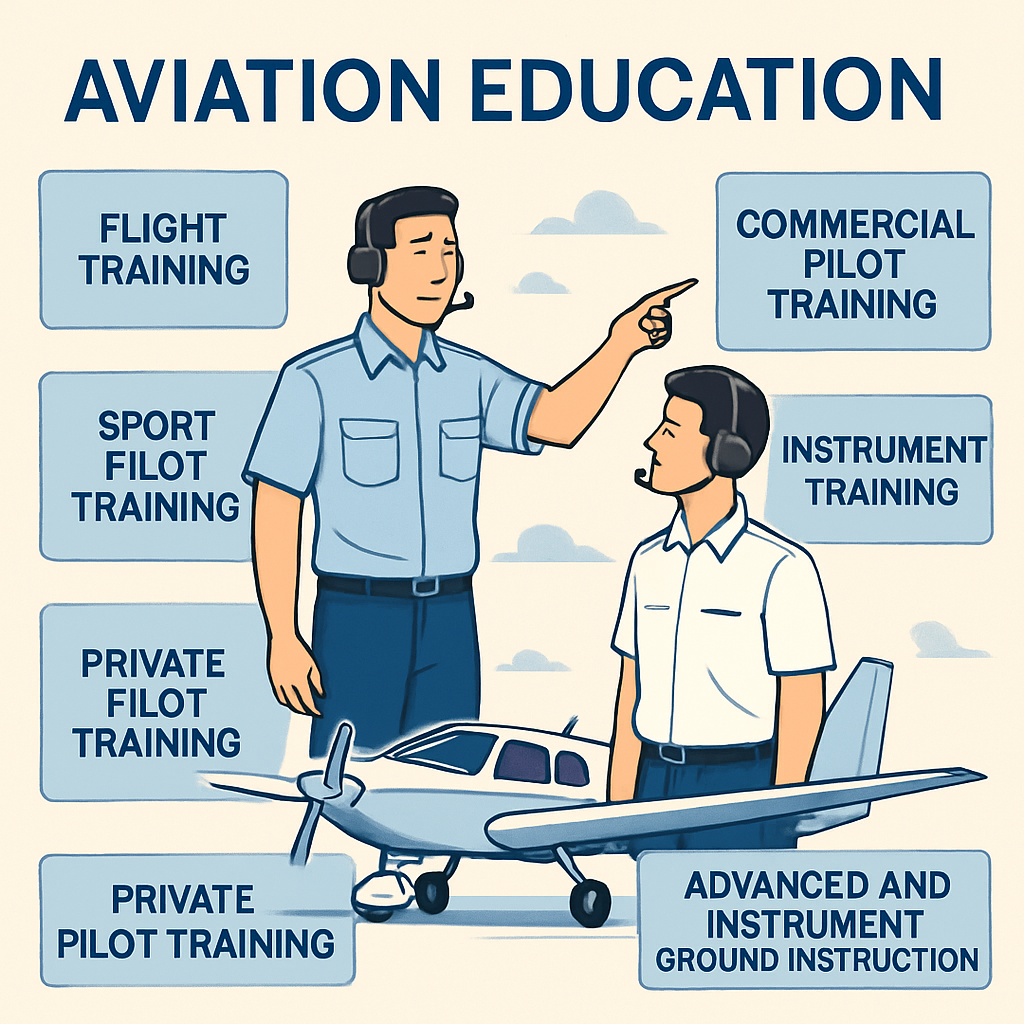
Understanding the Foundations of Aviation Education
Aviation education serves as the cornerstone for aspiring pilots and aviation professionals. It encompasses a broad spectrum of knowledge areas, including aerodynamics, navigation, meteorology, and aviation regulations. Whether you’re aiming to become a sport pilot or a commercial airline captain, solid aviation education prepares you for the complexities of flight and safety procedures.
Quality aviation education programs combine both theoretical instruction and practical experience. This blend ensures that students not only understand the technical aspects but also develop the confidence and skills required for real-world flying scenarios.
Exploring Flight Training: From Sport to Commercial Pilots
Sport Pilot Training
Sport pilot training is an excellent entry point for those new to aviation. It focuses on lighter, smaller aircraft and offers a streamlined pathway to obtaining a pilot’s license. This level of training is ideal for recreational flyers who want to enjoy the freedom of flight with fewer regulatory requirements.
During sport pilot training, students learn basic flight maneuvers, takeoffs, landings, and emergency procedures. The curriculum emphasizes hands-on experience, allowing trainees to build proficiency in handling aircraft safely and confidently.
Private Pilot Training
Advancing to private pilot training opens doors to flying a wider variety of aircraft and for longer distances. This stage demands a more comprehensive understanding of aerodynamics, navigation, and communication with air traffic control. The training includes both flight hours and ground instruction, preparing pilots to operate independently.
Private pilot training is a crucial step for those considering aviation as a serious hobby or a career foundation. It also sets the stage for more advanced certifications and specialized flight training.
Commercial Pilot Training
Commercial pilot training elevates a pilot’s skillset to professional standards. This rigorous program prepares pilots to operate aircraft for compensation or hire, including passenger transport and cargo operations. The curriculum intensifies focus on advanced maneuvers, complex aircraft systems, and adherence to stringent safety protocols.
Completing commercial pilot training is essential for anyone looking to build a career in the aviation industry, whether as an airline pilot or in other commercial flying roles. It requires a significant commitment to both flight hours and academic study.
Mastering Instrument Training and Ground Instruction
Instrument Training
Instrument training is a vital component of advanced pilot education. It equips pilots with the skills to fly solely by reference to instruments, an essential ability for navigating through poor weather conditions and low visibility. Mastery of instrument flight rules (IFR) enhances safety and expands operational capabilities.
This training involves simulated and actual flight time focused on instrument navigation, approach procedures, and emergency contingencies. It is a prerequisite for many advanced pilot certifications and commercial operations.
Advanced and Instrument Ground Instruction
Ground instruction complements flight training by providing the theoretical foundation necessary for mastering complex aviation concepts. Advanced and instrument ground instruction covers topics such as aerodynamics, weather theory, instrument procedures, and aviation regulations.
Engaging in comprehensive ground instruction ensures pilots are well-prepared for written exams and practical flight challenges. It fosters a deeper understanding