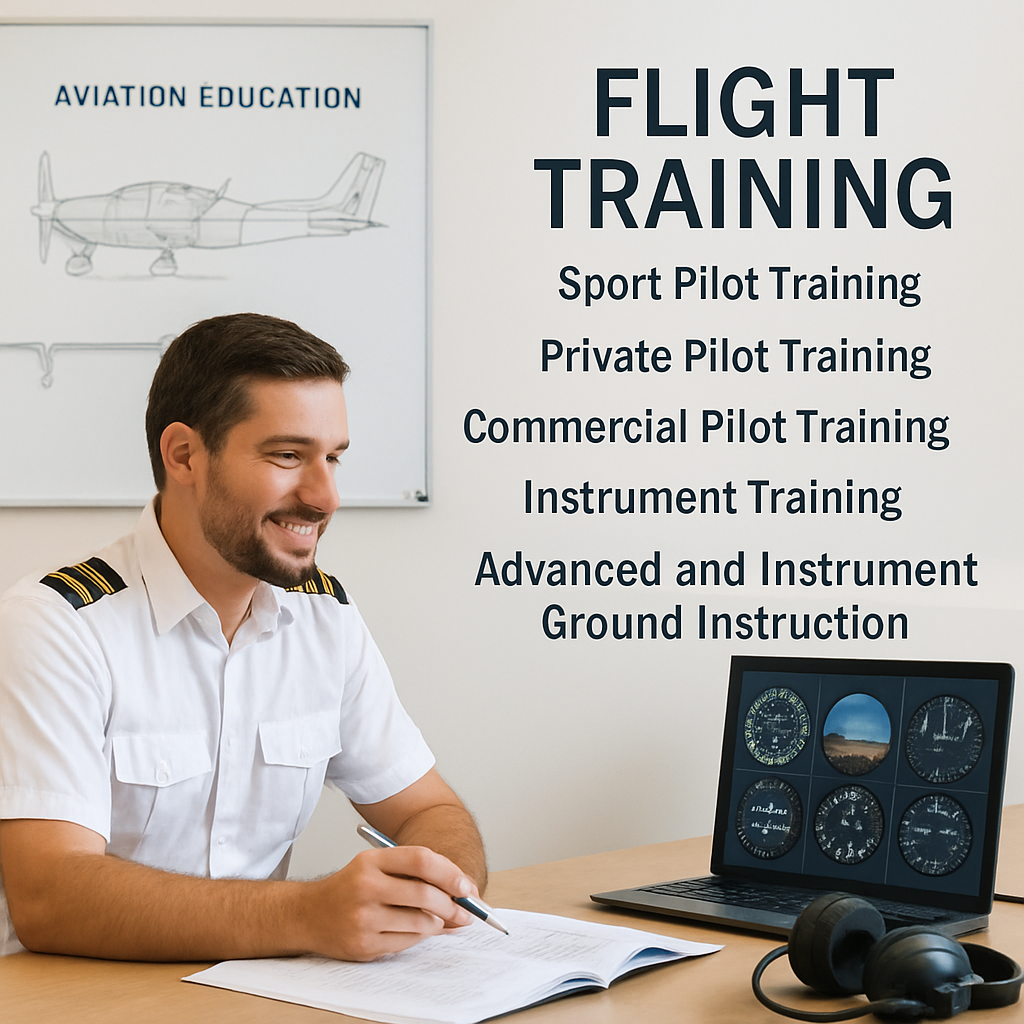
Understanding the Foundations of Aviation Education
Aviation education is the cornerstone of becoming a skilled and confident pilot. Whether you are aspiring to fly recreationally or pursue a professional career, a solid educational foundation is essential. From understanding aerodynamics to mastering navigation systems, comprehensive aviation education equips students with the knowledge needed for safe and effective flight operations.
Flight training programs blend theoretical knowledge with practical experience, ensuring that pilots are prepared for real-world challenges. This education covers everything from basic flight principles to complex airspace regulations and meteorology, providing a well-rounded learning experience.
Beginning Your Journey: Sport Pilot Training
Sport pilot training is an excellent entry point for those new to aviation or looking to fly light-sport aircraft. This training focuses on the essentials, offering a faster and often more affordable pathway to earning a pilot certificate. Students learn fundamental flying skills, safety procedures, and regulations specific to sport aviation.
By completing sport pilot training, individuals gain the confidence needed to operate smaller aircraft within certain limitations, making it an ideal starting point for hobbyists and future pilots who wish to explore the skies recreationally.
Advancing Skills with Private Pilot Training
Private pilot training is the next critical step for those seeking broader flying privileges and capabilities. This training expands on basic skills, enabling pilots to fly a wider range of aircraft, fly at night, and carry passengers. The curriculum emphasizes flight maneuvers, navigation, emergency procedures, and communication with air traffic control.
Completing private pilot training opens the door to more diverse flying opportunities and lays the groundwork for further certifications.
Professional Growth through Commercial Pilot Training
For pilots aiming to make aviation their career, commercial pilot training is essential. This advanced training focuses on mastering complex flight operations, precision flying, and adherence to stringent safety standards. Students learn to operate in various weather conditions, handle multi-engine aircraft, and develop professional judgment required for commercial operations.
Commercial pilot training prepares individuals for roles such as charter pilots, flight instructors, and airline first officers, offering a pathway to a rewarding aviation career.
Mastering the Skies: Instrument Training
Instrument training is a vital component for pilots seeking to fly safely in low-visibility conditions. This training teaches the use of flight instruments, navigation aids, and instrument flight rules (IFR). Pilots learn to rely on their instruments rather than visual cues, enhancing their ability to operate in clouds, fog, or at night.
Advanced and instrument ground instruction further supports this training by providing in-depth theoretical knowledge, including weather analysis and IFR procedures, to complement practical flight experience.
Combining Ground Instruction and Flight Training for Success
Successful pilot training integrates both ground instruction and hands-on flight experience. Advanced and instrument ground instruction build a strong theoretical foundation, covering topics such as aerodynamics, meteorology, and aviation regulations. These lessons prepare students for practical applications during flight training sessions.
By combining these educational elements, aspiring pilots develop the comprehensive skill set required for safe and proficient flying, whether pursuing sport, private, or commercial pilot certifications.
Conclusion: Taking Flight with Confidence
Embarking on the path