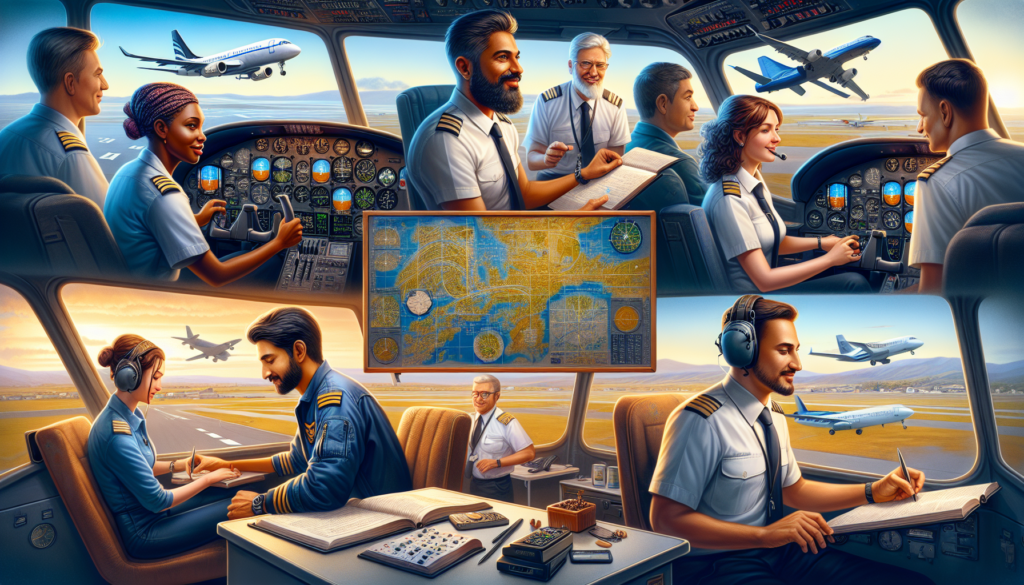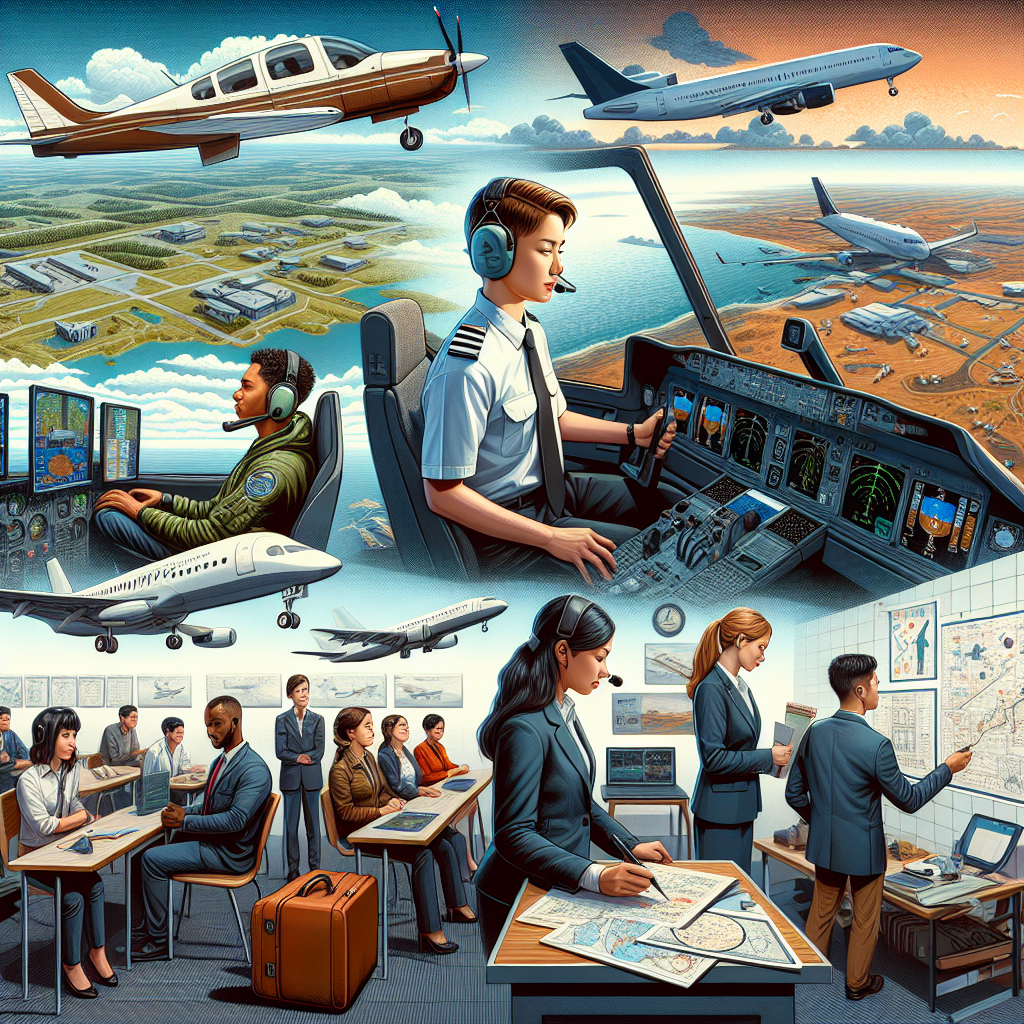
Understanding Aviation Education
Aviation education is the foundation for aspiring pilots who wish to take to the skies with confidence and skill. Whether you’re drawn to flying as a hobby or aiming for a professional career, a structured education pathway is essential to gain the knowledge and expertise required.
This education encompasses a variety of training programs designed to build your understanding of aerodynamics, navigation, meteorology, and aviation regulations. By immersing yourself in aviation education, you not only enhance your flying capabilities but also ensure safety and proficiency in all your flight endeavors.
Flight Training: From Sport to Commercial Levels
Sport Pilot Training
Sport pilot training is an excellent starting point for those new to aviation or looking for recreational flying options. This training focuses on flying light-sport aircraft and offers a streamlined certification process with fewer requirements than traditional pilot licenses.
During sport pilot training, students learn fundamental flight maneuvers, basic navigation, and safety procedures. This level of training is perfect for enthusiasts who want to enjoy flying without the complexity and cost associated with higher pilot certifications.
Private Pilot Training
After mastering the basics, many pilots advance to private pilot training. This phase extends flight hours and introduces more sophisticated flight operations, including cross-country navigation and night flying.
Private pilot training is a pivotal step, enabling you to fly more complex aircraft and carry passengers. It also serves as a prerequisite for more advanced certifications and commercial opportunities in aviation.
Commercial Pilot Training
For those ready to pursue aviation as a career, commercial pilot training is essential. This intensive program focuses on developing advanced flying skills, professionalism, and knowledge required for paid flight operations.
Commercial pilot training includes thorough instruction on complex aircraft systems, multi-engine flying, and emergency procedures. Graduates are prepared to operate commercially for airlines, charter services, and other aviation sectors.
Instrument Training and Advanced Ground Instruction
Instrument Training
Instrument training is critical for pilots aiming to fly safely in various weather conditions and under instrument flight rules (IFR). This specialized training teaches how to operate aircraft using only cockpit instruments when visibility is limited.
Through instrument training, pilots gain proficiency in navigation, communication, and aircraft control without external visual references. This skill set is highly valued and often required for commercial pilots.
Advanced and Instrument Ground Instruction
Complementing flight training, advanced and instrument ground instruction provides the theoretical knowledge necessary to excel in instrument and commercial flying. Topics include advanced aerodynamics, meteorology, air traffic control procedures, and aviation regulations.
This ground instruction ensures that pilots are not only skilled in practical flying but also understand the complexities of aviation systems and safety protocols, making them well-rounded and competent aviators.
Conclusion
Embarking on your aviation journey requires a comprehensive approach to education and training. From sport pilot training to commercial pilot certification, each stage builds upon the last to develop your skills and knowledge.
By investing in quality aviation education, flight training, instrument training, and advanced ground instruction, you position yourself to soar to new heights safely and confidently, whether for recreation or a professional