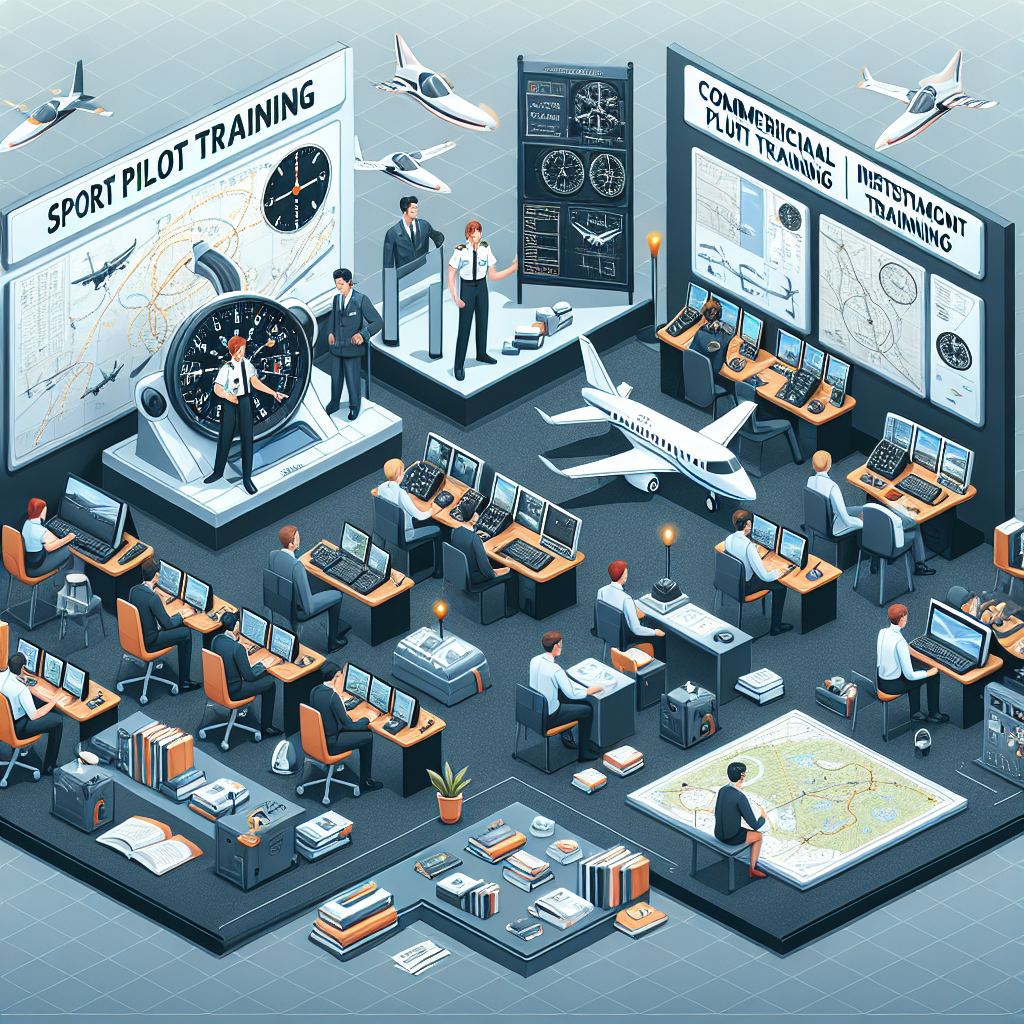
Understanding Aviation Education
Aviation education serves as the foundation for aspiring pilots and aviation professionals looking to build a successful career in the skies. It encompasses a wide range of training programs and courses designed to equip students with essential knowledge about aerodynamics, aircraft systems, navigation, and aviation regulations.
Whether you aim to fly recreationally or pursue a commercial career, a solid aviation education is crucial. It helps students develop a strong understanding of flight principles while preparing them for the rigorous demands of pilot training.
Flight Training: The Path to Becoming a Pilot
Flight training is the practical aspect of aviation education where students gain hands-on experience flying aircraft under the supervision of certified flight instructors. This training is divided into several stages, each targeting different skill levels and certifications.
From basic maneuvers to complex flight operations, flight training ensures that students master the necessary techniques to operate an airplane safely and confidently in various conditions.
Sport Pilot Training
Sport pilot training is an excellent starting point for those interested in flying smaller, lighter aircraft with fewer regulatory requirements. This type of training focuses on fundamental flight skills, basic navigation, and safely operating light-sport aircraft, making it accessible and cost-effective for beginners.
Private Pilot Training
Private pilot training is the next step for individuals seeking broader flight privileges and the ability to fly larger aircraft. It involves comprehensive instruction in flight maneuvers, cross-country navigation, night flying, and emergency procedures. Achieving a private pilot license opens the door to flying for personal enjoyment and as a foundation for advanced training.
Commercial Pilot Training
Commercial pilot training prepares students for a professional career in aviation, enabling them to be compensated for their flying services. This advanced training emphasizes precision flying, complex flight scenarios, and adherence to strict regulatory standards, equipping pilots for roles in airlines, charter services, and other commercial operations.
Instrument Training
Instrument training is critical for pilots who wish to fly safely in various weather conditions, relying on aircraft instruments rather than visual cues. This specialized training teaches the interpretation of flight instruments, navigation using radio aids, and managing instrument flight rules (IFR), significantly enhancing a pilot’s confidence and capability.
Advanced and Instrument Ground Instruction
Advanced and instrument ground instruction complements practical flight training by providing in-depth theoretical knowledge. Topics covered include advanced aerodynamics, meteorology, navigation systems, and aviation regulations essential for passing written exams and excelling in real-world flying situations.
Choosing the Right Program for You
When selecting an aviation education and flight training program, consider your career goals, budget, and training preferences. Many flight schools offer flexible programs catering to different pilot certifications, ensuring you receive tailored instruction that matches your ambitions.
Researching accredited institutions with experienced instructors and modern training aircraft will maximize your learning experience and prepare you for a successful future in aviation.
Conclusion
Embarking on a journey in aviation education and pilot training is an exciting step towards soaring to new heights. Whether you start with sport pilot training or aim for a commercial pilot license, comprehensive flight training and ground instruction are essential to mastering the