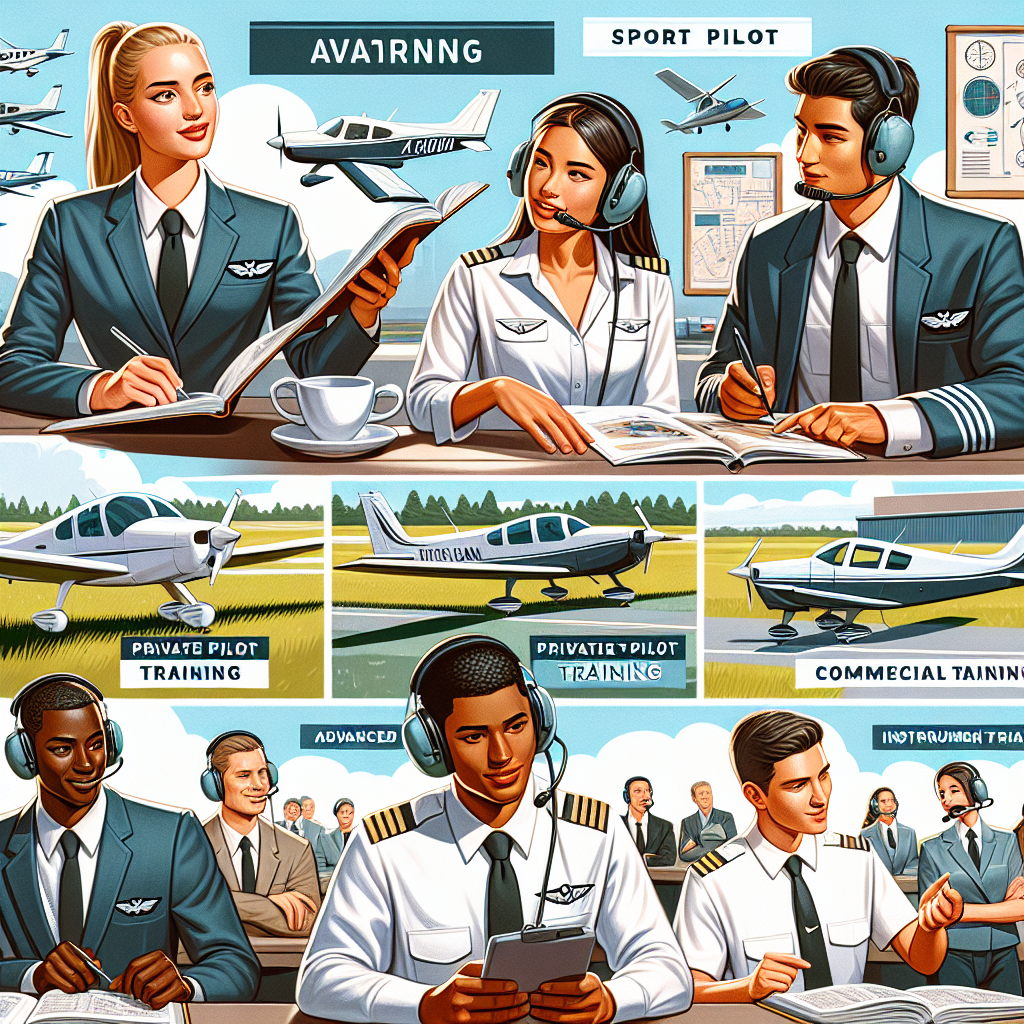
Understanding Aviation Education
Aviation education is the foundation for anyone aspiring to become a skilled pilot or aviation professional. It encompasses a broad spectrum of learning experiences, from theoretical knowledge to hands-on flight training. Whether you aim to fly recreationally or pursue a career in commercial aviation, a structured education path ensures you acquire the necessary skills and certifications.
Modern aviation education integrates classroom instruction, simulator sessions, and real-world flying practice. This comprehensive approach prepares students to navigate the complexities of airspace, aircraft systems, and aviation regulations safely and confidently.
Flight Training: The Pathway to the Skies
Flight training is the cornerstone of pilot development, offering practical experience under the guidance of certified flight instructors. It varies based on the level of certification you pursue, from sport pilot training to commercial pilot training.
Sport Pilot Training
Sport pilot training is an excellent entry point for individuals interested in flying light, single-engine aircraft for recreational purposes. This training focuses on the basics of flight, airspace rules, and safety procedures, typically requiring fewer flight hours than traditional private pilot training. It is ideal for those who want a more accessible and affordable introduction to aviation education.
Private Pilot Training
Private pilot training is the next step after sport pilot training or a direct pathway for aspiring aviators seeking broader privileges. This training expands on fundamental flying skills, including cross-country navigation and night flying. Students also begin instrument training, which is crucial for flying in varied weather conditions and under instrument flight rules (IFR).
Commercial Pilot Training
Commercial pilot training prepares students for a professional career in aviation. It demands a higher level of proficiency, with advanced maneuvers, complex aircraft systems, and rigorous flight standards. This training includes advanced and instrument ground instruction, which refines a pilot’s ability to operate safely in challenging environments and prepares them for airline or charter service roles.
Instrument Training and Advanced Ground Instruction
Instrument training is essential for pilots aiming to fly in low-visibility conditions or under IFR. It teaches how to rely on aircraft instruments and navigational aids rather than visual cues. Paired with advanced and instrument ground instruction, this training enhances a pilot’s knowledge of meteorology, navigation, and regulations, ensuring confidence and safety in complex flying scenarios.
Choosing the Right Aviation Education Program
Selecting the appropriate aviation education and flight training program depends on your goals, budget, and schedule. Accredited flight schools and universities often offer comprehensive curricula covering sport, private, and commercial pilot training, along with instrument and advanced ground instruction.
When evaluating programs, consider factors such as the quality of instructors, fleet availability, simulators, and support services. A well-rounded education not only equips you with practical skills but also fosters a strong safety culture and professionalism.
Conclusion
Whether you aspire to fly as a hobbyist or embark on a commercial aviation career, a structured aviation education and flight training program is your gateway to the skies. From sport pilot training to commercial pilot certification and specialized instrument training, each stage builds on the last, advancing your skills and confidence. Embrace the journey, commit to excellence, and soar to new heights in