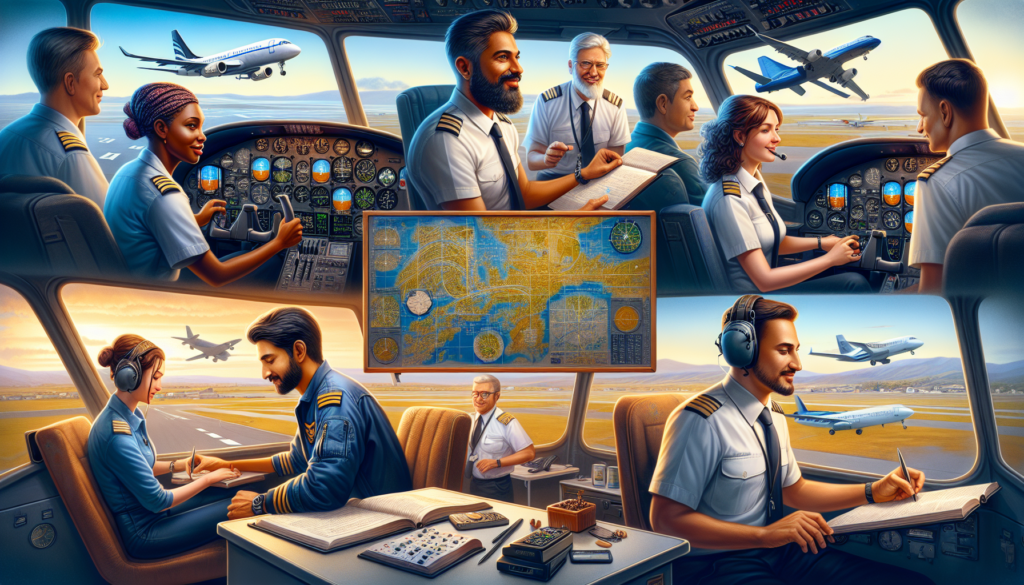
Understanding the Foundations of Aviation Education
Aviation education serves as the cornerstone for anyone aspiring to take to the skies. Whether you are a beginner or an experienced aviator looking to expand your skills, a structured educational path is essential. This foundation provides the necessary knowledge of aerodynamics, navigation, weather, and aviation regulations that form the basis of safe and effective flying.
Flight training programs combine theoretical lessons with hands-on experience, offering students the chance to apply classroom knowledge in real-world settings. From initial ground school sessions to actual flight hours, aviation education ensures pilots develop both cognitive and practical competencies.
Getting Started with Sport Pilot Training
Sport pilot training is an excellent entry point for those new to aviation or seeking a more recreational flying experience. This training focuses on flying light-sport aircraft, which are less complex and require fewer hours to become proficient.
During sport pilot training, students learn fundamental flight maneuvers, basic navigation, and safety protocols. The streamlined curriculum allows for faster certification, making it a popular choice for hobbyists and those wanting to explore aviation without committing to more extensive pilot licenses.
Advancing Through Private and Commercial Pilot Training
Private Pilot Training
Private pilot training represents the next step for aspiring aviators eager to expand their flying privileges. This training covers comprehensive flight skills, including cross-country navigation, night flying, and emergency procedures. Achieving a private pilot certificate enables pilots to fly more complex aircraft and carry passengers.
Commercial Pilot Training
For those aiming to build a professional aviation career, commercial pilot training is essential. This intensive program demands higher standards of precision, knowledge, and flight experience. Trainees learn advanced maneuvers, multi-engine operations, and higher-level decision-making skills essential for commercial aviation.
Mastering Instrument Training and Advanced Ground Instruction
Instrument training is critical for pilots who want to fly safely in conditions where visual cues are limited or unavailable. This specialized training teaches pilots to rely on their aircraft’s instruments for navigation, approach, and landing, enhancing safety and expanding flight capabilities.
Advanced and instrument ground instruction complements practical flight training by deepening a pilot’s understanding of meteorology, avionics, and instrument procedures. This theoretical knowledge is vital for passing FAA exams and ensuring proficiency during challenging flight conditions.
Choosing the Right Flight Training Program
Selecting the appropriate flight training program depends on your aviation goals, experience level, and available resources. Whether you start with sport pilot training or aim directly for commercial pilot certification, ensure the program offers comprehensive ground instruction and access to qualified flight instructors.
Look for schools that provide tailored aviation education, including dedicated instrument training sessions and advanced ground instruction. A well-rounded curriculum will prepare you not only to pass certification exams but also to excel in real-world flying scenarios.
Conclusion
From sport pilot training to mastering instrument flying and achieving commercial pilot status, aviation education and flight training open doors to a rewarding and dynamic career. By pursuing structured training programs and embracing both practical and theoretical learning, aspiring pilots can confidently soar to new heights and navigate the skies with skill and professionalism.