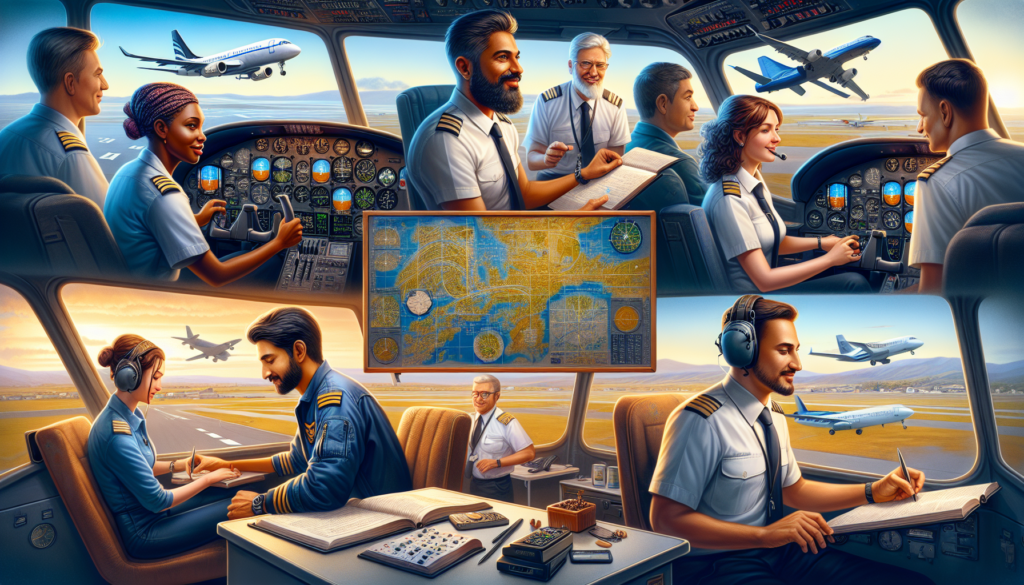
Understanding Aviation Education
Aviation education forms the foundation for anyone aspiring to become a professional pilot or simply to explore the world of flight. Whether you are interested in recreational flying or aiming for a commercial career, comprehensive aviation education is essential. It encompasses theoretical knowledge, practical skills, and regulatory understanding necessary to operate aircraft safely and efficiently.
From the basics of aerodynamics to advanced navigation systems, aviation education covers a wide spectrum of topics that prepare students for real-world flying scenarios. Enrolling in a certified aviation program ensures you receive structured learning combined with hands-on experience.
Flight Training: The Path to Becoming a Pilot
Flight training is the practical component of aviation education where students apply their theoretical knowledge in actual flying conditions. It is divided into various stages depending on the pilot certification level you seek, starting from Sport Pilot Training to Commercial Pilot Training.
Effective flight training not only builds your flying skills but also your confidence and decision-making abilities. Working with experienced flight instructors, students learn essential maneuvers, safety protocols, and emergency procedures.
Sport Pilot Training
Sport pilot training is ideal for beginners who want to enter aviation with minimal regulatory requirements and flexible flying privileges. This training focuses on lightweight aircraft and basic flying skills, making it an accessible entry point for many aviation enthusiasts.
During sport pilot training, students learn fundamental flight operations, aircraft control, and essential communication skills necessary for safe flying within designated airspace.
Private Pilot Training
Private pilot training is a significant step up, providing broader privileges and more comprehensive flight experience. This program prepares students to fly larger aircraft, operate under various weather conditions, and navigate complex airspace.
Private pilot training includes deeper instruction in aerodynamics, navigation, meteorology, and regulations, offering a well-rounded foundation for future advanced training.
Commercial Pilot Training
Commercial pilot training is designed for those pursuing a professional career in aviation. It demands a higher level of proficiency, including advanced flying techniques, complex aircraft systems knowledge, and stringent regulatory compliance.
Students undergo rigorous flight hours and simulator training to master multi-engine operations, instrument flying, and commercial flight maneuvers, preparing them for employment in airlines, charter services, and other commercial aviation sectors.
Instrument Training and Advanced Ground Instruction
Instrument training is a crucial aspect of pilot development, enabling pilots to operate aircraft safely under instrument flight rules (IFR) when visibility is limited. This training enhances a pilot’s ability to rely on cockpit instruments rather than visual cues.
Advanced and instrument ground instruction complements flight training by providing in-depth classroom learning on topics such as navigation aids, flight planning, meteorology, and FAA regulations. This knowledge is vital for passing instrument rating exams and becoming a proficient IFR pilot.
Completing both instrument training and advanced ground instruction significantly broadens a pilot’s capabilities and opens doors to more diverse flying opportunities, including commercial airline operations and complex mission profiles.
Choosing the Right Aviation Education Program
Selecting the right aviation education and flight training program is critical for your