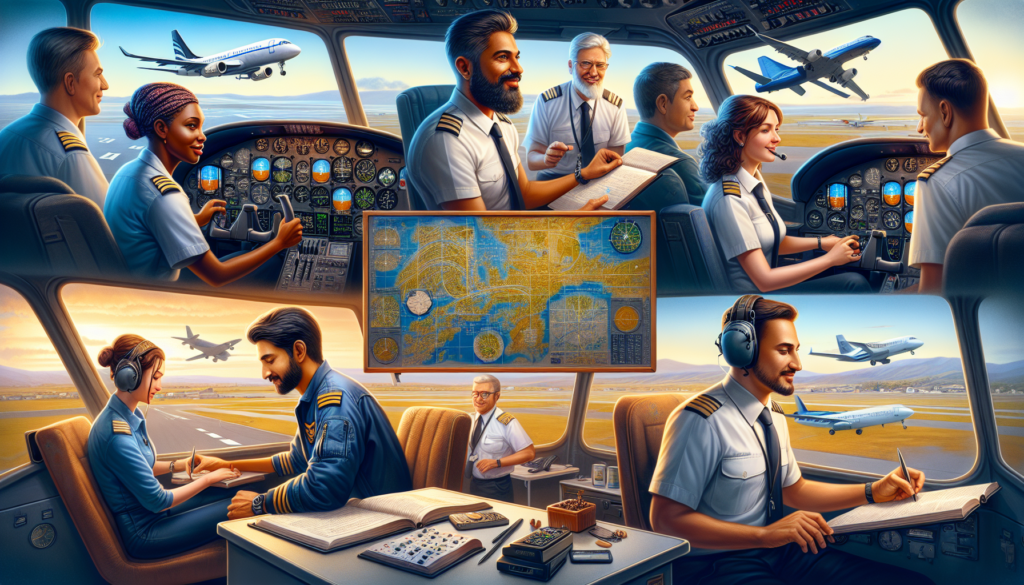
Understanding Aviation Education
Aviation education serves as the foundation for anyone aspiring to build a career in piloting or the broader aerospace industry. It encompasses a wide range of learning experiences, from classroom-based theoretical instruction to practical flight training. Whether you are a beginner or looking to advance your skills, aviation education provides the knowledge necessary to navigate the complex world of aviation safely and effectively.
Modern aviation education programs integrate technology, safety protocols, and regulatory knowledge to prepare students for various pilot certifications. These programs are designed to meet the standards set by aviation authorities, ensuring that graduates are competent and confident in their abilities.
Flight Training: The Path to Becoming a Pilot
Flight training is the hands-on component of aviation education where aspiring pilots develop their flying skills under the guidance of certified instructors. This training is crucial for building the practical expertise required to operate aircraft safely.
From initial flights to more complex maneuvers, flight training is structured to progressively enhance a student’s proficiency. It covers essential aspects such as aircraft handling, navigation, communication, and emergency procedures.
Sport Pilot Training
Sport pilot training is an entry-level program ideal for those who want to fly light-sport aircraft recreationally. It requires fewer flight hours compared to other pilot certifications, making it an accessible option for beginners.
This training focuses on basic flying skills, safety practices, and the fundamental regulations governing sport aviation. It serves as a stepping stone for pilots who may later pursue more advanced certifications.
Private Pilot Training
Private pilot training is the most common pathway for individuals aiming to fly for personal or non-commercial purposes. This program involves comprehensive instruction in both flight and ground school subjects.
Students learn advanced flight maneuvers, cross-country navigation, and night flying, along with a deep understanding of aviation regulations. Successfully completing private pilot training allows individuals to carry passengers and fly in a wider range of conditions.
Commercial Pilot Training
Commercial pilot training is designed for those seeking to make flying their profession. This rigorous program builds on previous flight experience and introduces complex operational skills necessary for commercial aviation.
Training includes advanced aircraft handling, multi-engine operations, and adherence to strict safety and operational standards. Graduates are qualified to be compensated for their flying services and often pursue careers with airlines or charter companies.
Instrument Training: Enhancing Pilot Proficiency
Instrument training is a critical component for pilots who want to fly under Instrument Flight Rules (IFR), which allow flight in low visibility conditions. This training focuses on using aircraft instruments to navigate and control the plane without outside visual references.
Through instrument training, pilots gain the skills to interpret cockpit instruments accurately, communicate with air traffic control, and manage complex flight scenarios safely.
Advanced and Instrument Ground Instruction
Ground instruction complements flight experience by providing in-depth theoretical knowledge necessary for instrument flying. Advanced and instrument ground instruction covers meteorology, navigation systems, flight planning, and regulatory requirements.
This classroom education is essential for preparing pilots for written exams and practical tests associated with instrument ratings and advanced certifications.