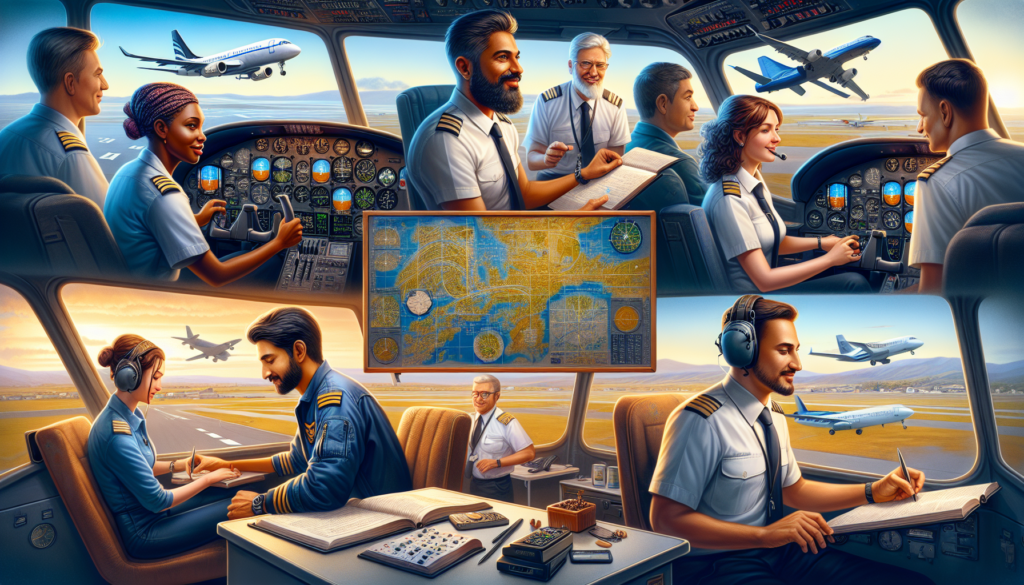
Understanding Aviation Education
Aviation education is the cornerstone for anyone aspiring to take to the skies. Whether you are a novice pilot or an experienced aviator looking to enhance your skills, comprehensive education lays the groundwork for a successful flying career. This includes theoretical knowledge, practical flight training, and ongoing instruction tailored to various pilot certifications and ratings.
From understanding aerodynamics to mastering navigation systems, aviation education ensures you develop a well-rounded skill set necessary for safe and efficient flying. Investing in quality education not only prepares you for exams but also equips you with the confidence to handle real-world flying challenges.
Getting Started with Sport Pilot Training
Sport pilot training is an excellent entry point for aviation enthusiasts who want to fly light-sport aircraft with fewer regulatory requirements compared to other pilot certificates. This training focuses on fundamental flight skills, aircraft handling, and basic navigation, making it accessible and affordable for many aspiring pilots.
During sport pilot training, students gain hands-on experience in visual flight rules (VFR) operations, enabling them to fly in good weather conditions. It is a practical way to enjoy flying recreationally while building foundational skills that can lead to more advanced pilot training.
Advancing Through Private Pilot Training
Private pilot training represents a significant step up in complexity and capability. This level of flight training includes more extensive flight hours, cross-country navigation, night flying, and emergency procedures. Earning a private pilot certificate allows you to fly a broader range of aircraft and carry passengers, opening many new opportunities.
Comprehensive ground instruction accompanies private pilot training, covering topics like weather theory, regulations, and aircraft systems. This balanced approach to learning ensures that pilots not only fly proficiently but also make informed decisions in the cockpit.
Mastering Commercial Pilot Training
For those seeking to turn their passion into a profession, commercial pilot training is essential. This rigorous flight training elevates your skills to a professional standard, focusing on precision flying, complex aircraft operations, and adherence to stricter regulations. Commercial pilots are qualified to be compensated for their flying services, marking a major milestone in an aviation career.
Commercial training emphasizes advanced maneuvers, instrument proficiency, and multi-engine operations. Alongside practical flight hours, students engage in advanced and instrument ground instruction to deepen their understanding of flight planning, air traffic control communications, and safety protocols.
Enhancing Skills with Instrument Training
Instrument training is critical for pilots aiming to fly safely and confidently under instrument flight rules (IFR). This specialized instruction teaches how to navigate and operate aircraft solely by reference to cockpit instruments, essential for flying in low visibility conditions such as clouds and fog.
Instrument training includes both flight time in simulated or actual instrument conditions and advanced and instrument ground instruction covering navigation systems, instrument approaches, and IFR regulations. Mastery of these skills greatly expands a pilot’s operational capabilities and safety margins.