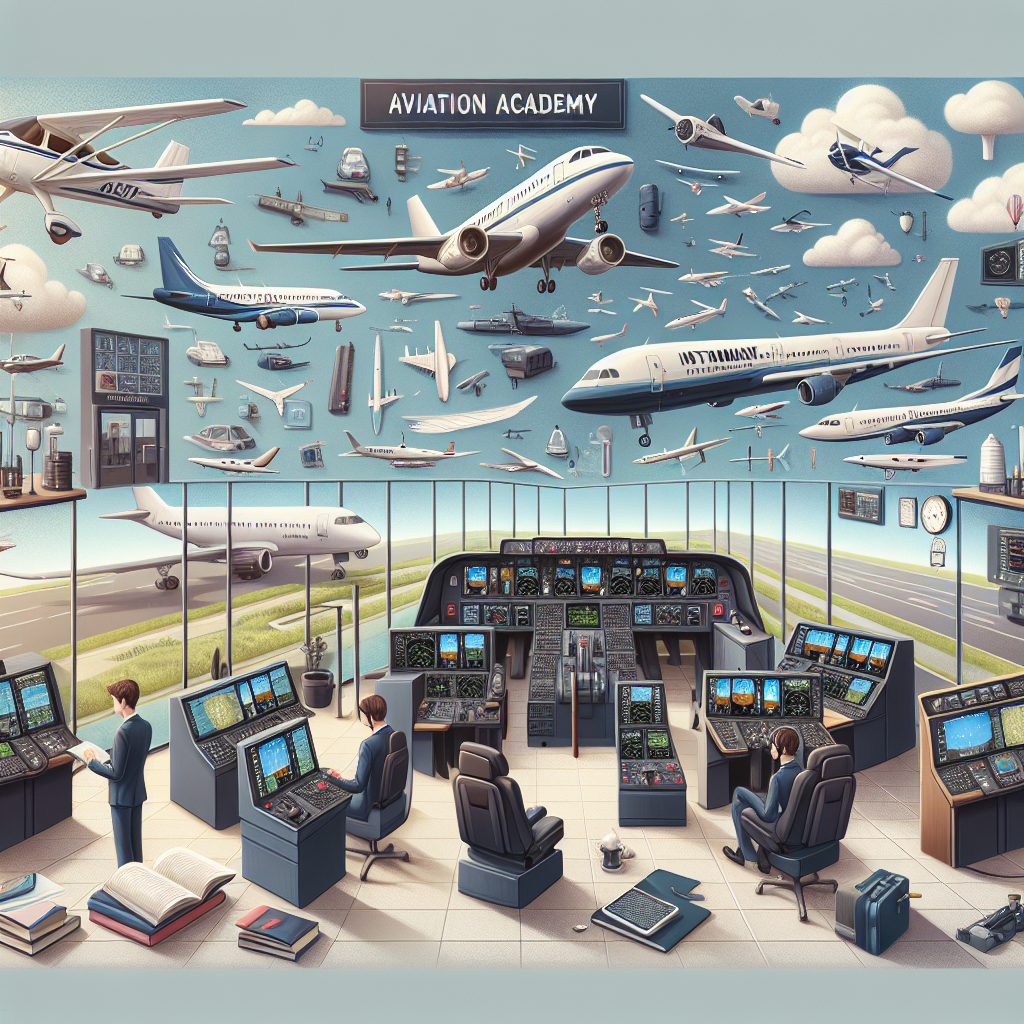
Understanding Aviation Education
Aviation education serves as the foundation for anyone aspiring to become a professional pilot or aviation expert. It encompasses a wide range of training programs designed to equip students with the theoretical knowledge and practical skills required in the aviation industry.
From understanding aerodynamics to mastering navigation systems, aviation education prepares candidates for the rigorous demands of flight training and certification processes. Quality education ensures safety, proficiency, and confidence in the cockpit.
Exploring Flight Training Programs
Sport Pilot Training
Sport pilot training is an excellent entry point for individuals seeking to fly light-sport aircraft with fewer training hours than traditional pilot programs. This training focuses on fundamental flying skills and basic aviation knowledge, making it accessible and affordable for beginners.
Private Pilot Training
Private pilot training is the next step for those looking to fly more complex aircraft and expand their flying privileges. This program delves deeper into flight maneuvers, navigation, and communication, preparing pilots to fly safely under Visual Flight Rules (VFR).
Commercial Pilot Training
Commercial pilot training is designed for individuals who wish to pursue a career in aviation. This intensive program covers advanced flight techniques, complex aircraft operations, and regulatory requirements to enable pilots to operate aircraft for compensation or hire.
Instrument Training
Instrument training is a crucial component for pilots aiming to fly in various weather conditions. This instruction focuses on flying solely by reference to instruments, enhancing safety and precision. It enables pilots to obtain an instrument rating, broadening their flying capabilities.
Advanced and Instrument Ground Instruction
Advanced and instrument ground instruction complements practical flight training by offering in-depth classroom learning. Topics include meteorology, navigation, flight planning, and FAA regulations, which are essential for passing written examinations and gaining comprehensive aviation knowledge.
Ground instruction also prepares students for complex scenarios encountered during instrument and commercial pilot training, fostering a well-rounded understanding of aviation principles.
Choosing the Right Program for You
Selecting the appropriate aviation education and flight training program depends on your career goals, experience level, and financial considerations. Whether starting with sport pilot training or aiming for commercial certification, each program offers unique benefits tailored to different stages of a pilot’s journey.
Investing in quality training and education ensures you soar confidently and safely to new heights in your aviation career.