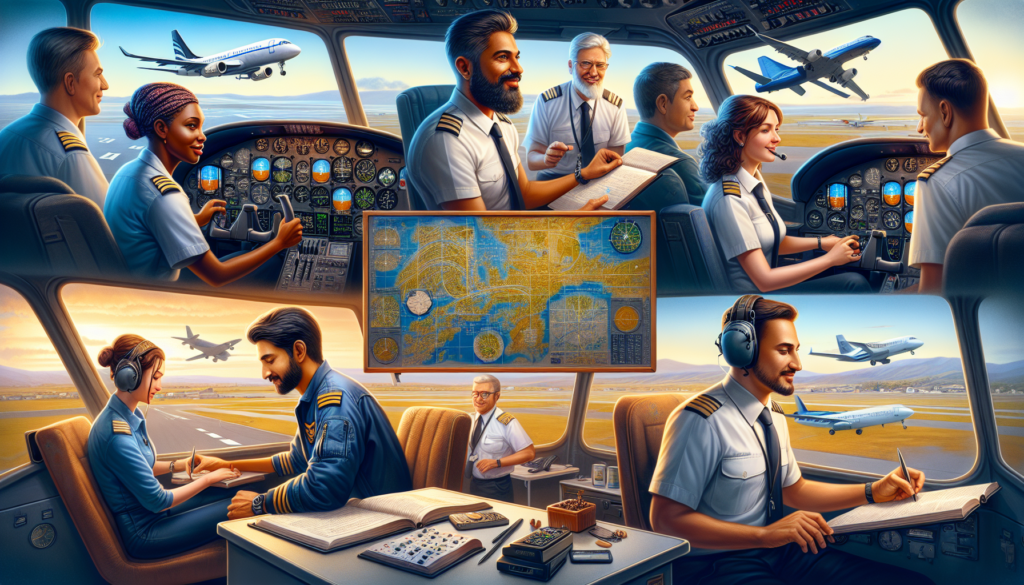
Understanding Aviation Education
Aviation education forms the foundation for anyone aspiring to take to the skies. It encompasses a broad spectrum of learning, from theoretical knowledge about aerodynamics and navigation to practical skills acquired through flight training. Whether you aim to become a recreational pilot or pursue a career in commercial aviation, a solid aviation education is essential for safe and effective flying.
Programs in aviation education often include classroom instruction, simulator sessions, and hands-on flight experience. Comprehensive curricula cover topics such as meteorology, aviation regulations, aircraft systems, and human factors. This blend of academic and practical training prepares students for the various pilot certifications and ratings required in the industry.
Sport Pilot Training: Your First Step in Flight
Sport pilot training is an excellent entry point for those new to flying or seeking to fly light-sport aircraft. This level of flight training focuses on the fundamentals of piloting smaller, less complex aircraft under visual flight rules (VFR). It offers a streamlined path for enthusiasts wanting to experience the joy of flight without the extensive requirements of higher certifications.
During sport pilot training, students learn essential skills such as aircraft control, navigation, and safety procedures. The training hours are fewer compared to private pilot training, making it a cost-effective option. However, sport pilots operate under certain restrictions, including limitations on aircraft weight, passenger capacity, and flying conditions.
Private Pilot Training: Building Core Competencies
Private pilot training represents a significant advancement in flight training and opens up broader flying privileges. This phase emphasizes comprehensive flight skills, including cross-country navigation, night flying, and emergency procedures. Private pilot certification allows holders to fly a wide range of general aviation aircraft and carry passengers.
Students undertaking private pilot training benefit from a balance of flight hours and ground instruction. Advanced and instrument ground instruction is integral during this stage to prepare pilots for more complex flying environments. The curriculum prioritizes precision, situational awareness, and adherence to FAA regulations to ensure pilot proficiency and confidence.
Commercial Pilot Training: Professional Flight Preparation
Commercial pilot training is designed for those pursuing a professional career in aviation. It builds upon the skills acquired during private pilot training and introduces more rigorous standards and advanced flight operations. Trainees learn about complex aircraft systems, commercial flight regulations, and the demands of professional flying environments.
This phase includes extensive instrument training to develop the ability to fly in various weather conditions using navigation instruments. Mastery of instrument procedures is critical for commercial pilots who frequently operate under instrument flight rules (IFR). Additionally, advanced and instrument ground instruction supports theoretical understanding essential for passing FAA examinations and operating safely in commercial settings.
The Importance of Instrument Training and Advanced Ground Instruction
Instrument training is a vital component across all levels of pilot education, particularly from private pilot training onward. It equips pilots with the skills to navigate and control aircraft solely through flight instruments, a necessity for flying in low-visibility conditions. Proficiency in instrument flight enhances safety and expands the range of conditions under which pilots can operate.
Advanced and instrument ground instruction complements flight training by deepening knowledge of navigation systems, meteorology, and IFR procedures. Ground instruction prepares pilots for written exams and practical scenarios encountered in the cockpit. Together, instrument training and rigorous ground schooling create