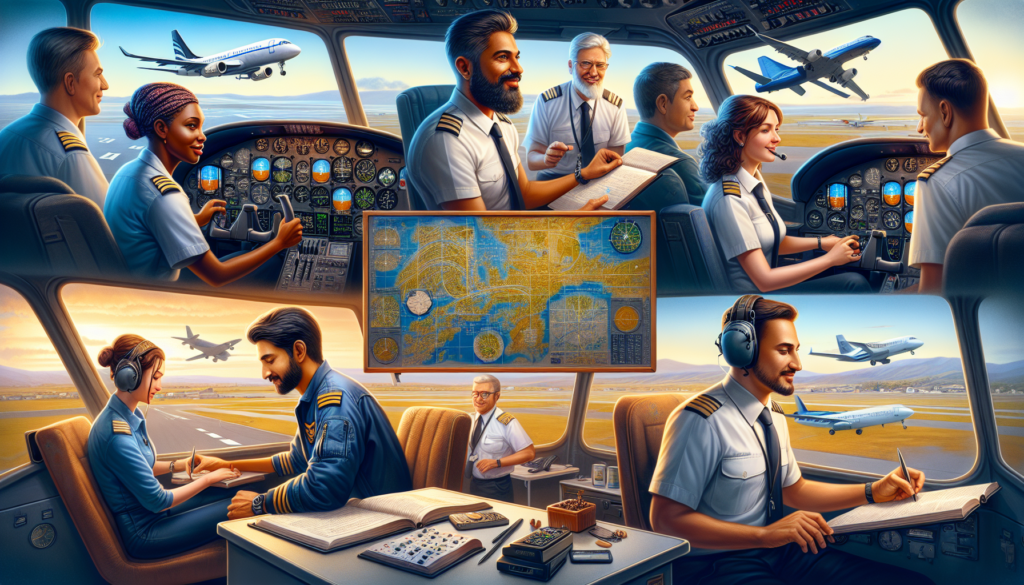
Understanding Aviation Education
Aviation education serves as the foundation for anyone aspiring to become a professional pilot. It encompasses a range of learning experiences designed to equip students with the necessary knowledge, skills, and certifications required to navigate the skies safely and competently.
From theoretical coursework to hands-on flight training, aviation education covers various stages that prepare future pilots for the demands of the industry.
Beginning Your Journey with Flight Training
Flight training is the practical aspect of aviation education where aspiring pilots learn to operate aircraft under the supervision of certified flight instructors. This stage is critical, as it translates classroom knowledge into real-world flying skills.
Depending on your goals, you may start with Sport Pilot Training or Private Pilot Training, each tailored to different certification levels.
Sport Pilot Training
Sport pilot training is an excellent entry point for individuals interested in flying light-sport aircraft. It requires fewer hours of flight time and offers a quicker path to earning a pilot certificate, making it ideal for hobbyists and those testing the waters of aviation.
Private Pilot Training
Private pilot training is the next step for those who want broader privileges and the ability to fly a wider range of aircraft. This training involves more comprehensive instruction, including advanced maneuvers and cross-country flights, preparing students for more complex flying scenarios.
Advancing Your Skills: Commercial Pilot Training
Commercial pilot training is designed for those who intend to pursue flying as a profession. This phase focuses on developing advanced skills necessary for operating commercial flights safely and efficiently.
Students learn to meet higher standards of competency, including precision flying, navigation, and adherence to stringent aviation regulations.
Instrument Training
Instrument training is a vital component of advanced pilot education. It teaches pilots to operate aircraft relying solely on flight instruments rather than visual cues, enabling safe flying in low visibility conditions such as clouds or fog.
This training is essential for pilots aiming to expand their operational capabilities and enhance their safety margins.
Advanced and Instrument Ground Instruction
Complementing flight training, advanced and instrument ground instruction provides the theoretical knowledge necessary to master complex navigation systems, meteorology, and aviation regulations. This classroom-based education supports the practical aspects of instrument and commercial pilot training.
Through a combination of ground instruction and simulator sessions, students build a deep understanding of flight dynamics and operational procedures.
From Student to Pro Pilot
Becoming a professional pilot is a progressive journey that integrates comprehensive aviation education with rigorous flight training. Each phase builds upon the last, ensuring pilots develop a robust skill set and the confidence needed for a successful aviation career.
By following a structured training path—from sport pilot to commercial pilot, including instrument proficiency—you can navigate the skies with expertise and professionalism.