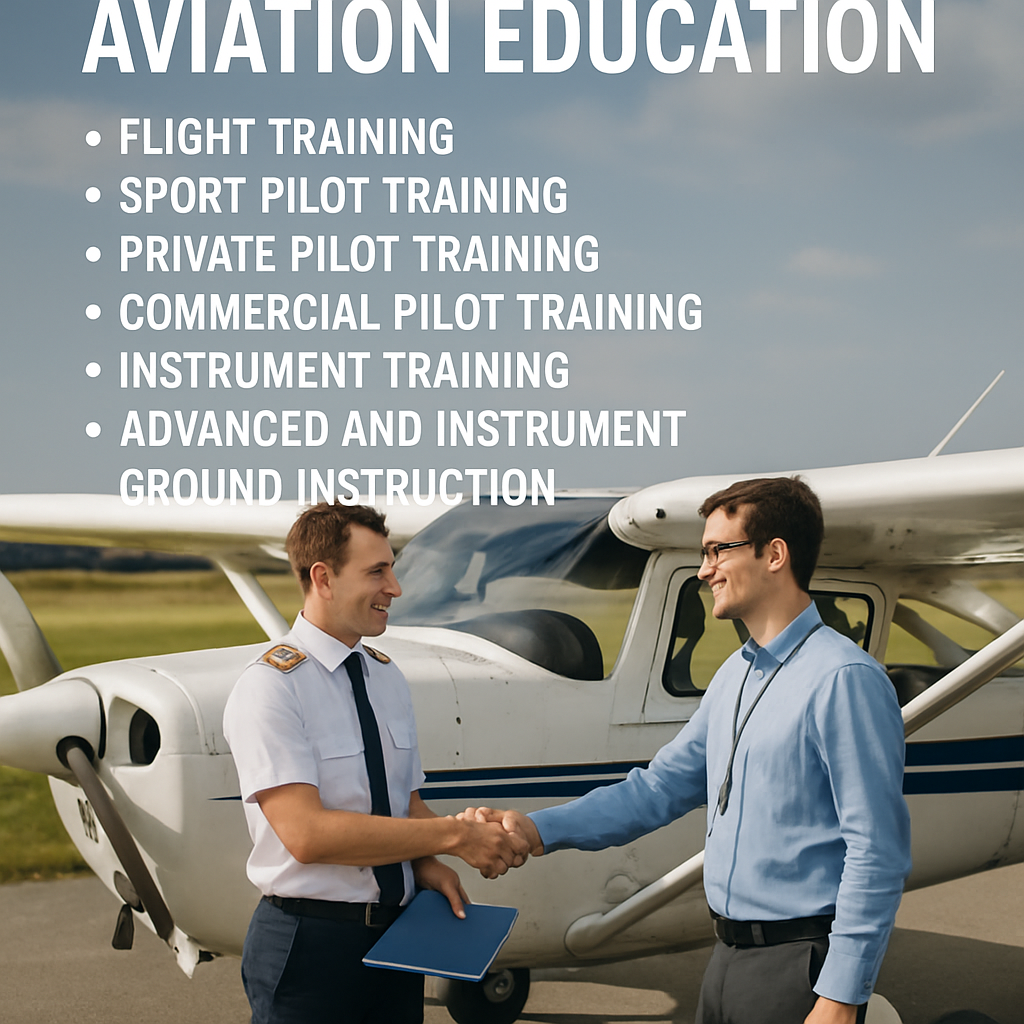
Understanding the Foundations of Aviation Education
Aviation education serves as the cornerstone for anyone aspiring to build a career in the skies. From understanding basic aerodynamics to mastering complex navigation systems, a structured educational program is essential. Quality aviation education not only imparts technical knowledge but also emphasizes safety, decision-making, and regulatory compliance, which are crucial for all levels of pilot training.
Whether you are starting with sport pilot training or aiming for commercial certification, a strong educational foundation ensures that you develop the skills and confidence necessary to succeed in the aviation industry.
Beginning Your Journey: Sport Pilot and Private Pilot Training
Sport Pilot Training: The First Step
Sport pilot training is ideal for those looking to fly light-sport aircraft with fewer restrictions and lower costs. This level focuses on fundamental flight principles, basic maneuvers, and safety protocols. It’s a great way to get introduced to the world of aviation and gain hands-on experience with flight controls and navigation.
Private Pilot Training: Expanding Your Horizons
Once you have completed sport pilot training or decided to jump straight in, private pilot training prepares you for more advanced flight operations. This phase includes comprehensive ground instruction and practical flight hours covering cross-country navigation, night flying, and emergency procedures. The private pilot certificate opens up greater flying privileges and forms the basis for more advanced certifications.
Advancing Skills: Instrument Training and Ground Instruction
Instrument Training: Flying with Precision
Instrument training is a critical step for pilots who want to fly under instrument flight rules (IFR). This training enhances your ability to operate aircraft safely in low-visibility conditions by relying on instruments rather than visual cues. Mastery of instrument flight is crucial for advancing toward commercial pilot training and professional aviation careers.
Advanced and Instrument Ground Instruction
Ground instruction complements flight training by deepening theoretical knowledge. Advanced and instrument ground instruction covers topics such as meteorology, navigation systems, airspace regulations, and advanced aerodynamics. This education supports safe decision-making and prepares pilots for the challenges of complex flight environments.
Professional Growth: Commercial Pilot Training
Commercial pilot training is designed for those who want to pursue aviation as a full-time profession. This rigorous training phase builds upon private and instrument certifications, focusing on advanced maneuvers, multi-engine operations, and commercial flight regulations. Students develop proficiency in complex aircraft systems and learn to manage passengers and cargo safely.
Successful completion of commercial pilot training qualifies individuals to work in various sectors, including airline operations, charter services, and flight instruction.
Choosing the Right Flight Training Program
Selecting an accredited and comprehensive flight training program is essential for your success. Look for institutions that offer a balanced curriculum covering sport pilot training through commercial pilot certification, along with thorough instrument and advanced ground instruction. Experienced instructors, modern simulators, and well-maintained aircraft are also key factors to consider.
Investing in quality aviation education and flight training ensures a smooth progression from beginner to professional pilot, enabling you to soar confidently toward your career goals.