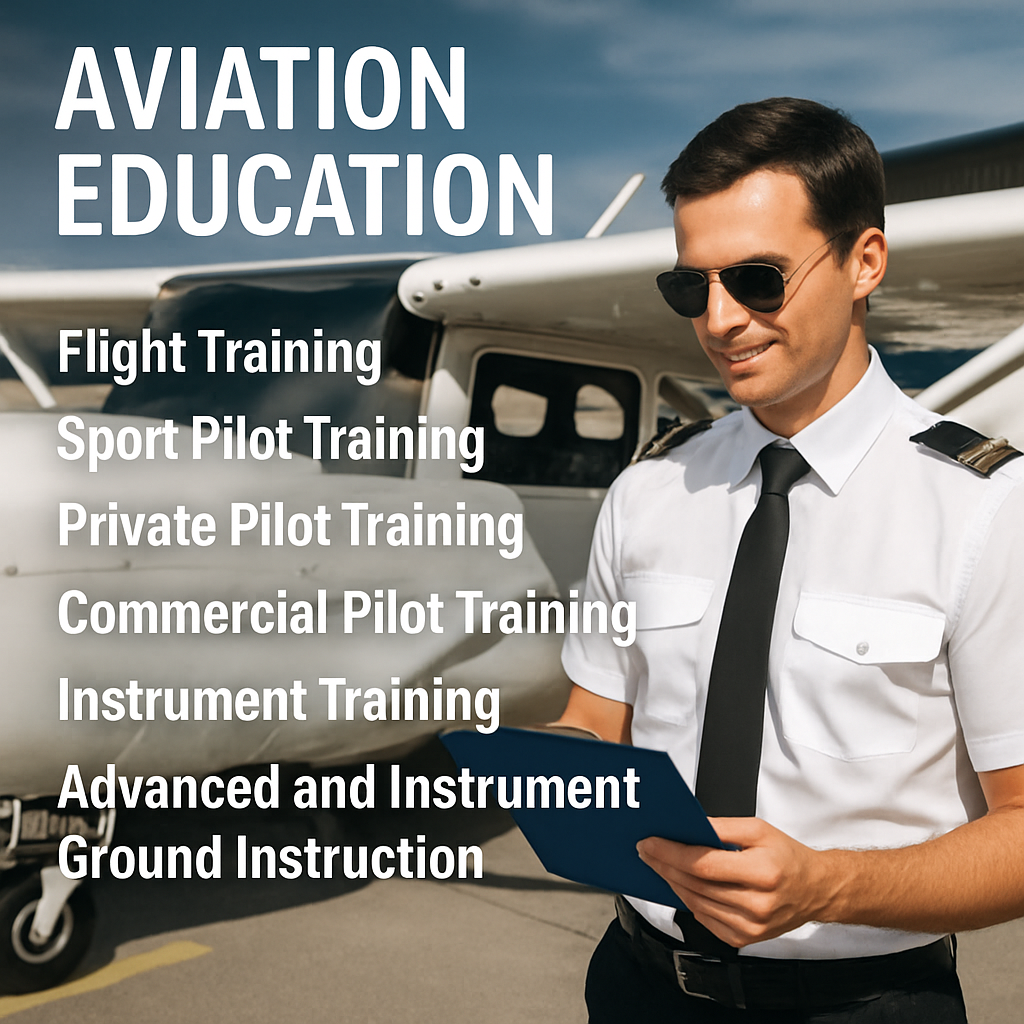
Understanding Aviation Education
Aviation education forms the foundation for anyone aspiring to become a professional pilot or work in the aviation industry. It encompasses both theoretical knowledge and practical skills essential for safe and efficient flight operations.
Comprehensive aviation education programs cover subjects such as aerodynamics, meteorology, navigation, aircraft systems, and aviation regulations, ensuring students are well-prepared for the challenges of flight training and beyond.
Flight Training: The Path to Becoming a Pilot
Flight training is the hands-on component of pilot education, where students translate their classroom knowledge into real-world flying experience. This training is typically conducted under the supervision of certified flight instructors and involves progressively more complex flight maneuvers and scenarios.
There are several types of flight training tailored to different pilot certifications, including sport pilot training, private pilot training, commercial pilot training, and instrument training, each catering to varying levels of skill and career objectives.
Sport Pilot Training
Sport pilot training is ideal for individuals seeking to fly light, simple aircraft primarily for recreational purposes. This training requires fewer flight hours and less stringent medical certification compared to other pilot certifications, making it an accessible entry point into aviation.
Private Pilot Training
Private pilot training prepares students to operate single-engine aircraft for personal or non-commercial purposes. This certification requires a higher standard of proficiency, including cross-country flight experience and night flying, expanding a pilot’s capabilities significantly.
Commercial Pilot Training
Commercial pilot training is designed for those pursuing a professional career in aviation. It involves advanced flight techniques, complex aircraft operation, and a deeper understanding of aviation regulations, enabling pilots to be compensated for their services.
Instrument Training
Instrument training equips pilots with the skills needed to fly solely by reference to instruments, a critical capability for flying in poor weather conditions or controlled airspace. This training enhances safety and expands operational flexibility for all licensed pilots.
Ground Instruction: Building a Strong Theoretical Base
Advanced and instrument ground instruction are integral components of aviation education, providing the necessary theoretical background to complement flight training. These sessions focus on advanced aerodynamics, navigation techniques, meteorology, and instrument procedures.
Effective ground instruction ensures that pilots understand the principles behind their actions during flight, allowing them to make informed decisions and respond appropriately to unexpected situations.
Conclusion
From initial aviation education to specialized flight training, becoming a proficient pilot requires dedication, discipline, and a structured learning path. Whether pursuing sport pilot training or advancing through commercial pilot training and instrument instruction, each stage builds upon the last to ensure safety and competence in the skies.
Investing in comprehensive aviation education and quality flight training lays the groundwork for a successful and rewarding career in aviation, guiding you seamlessly from takeoff to touchdown.