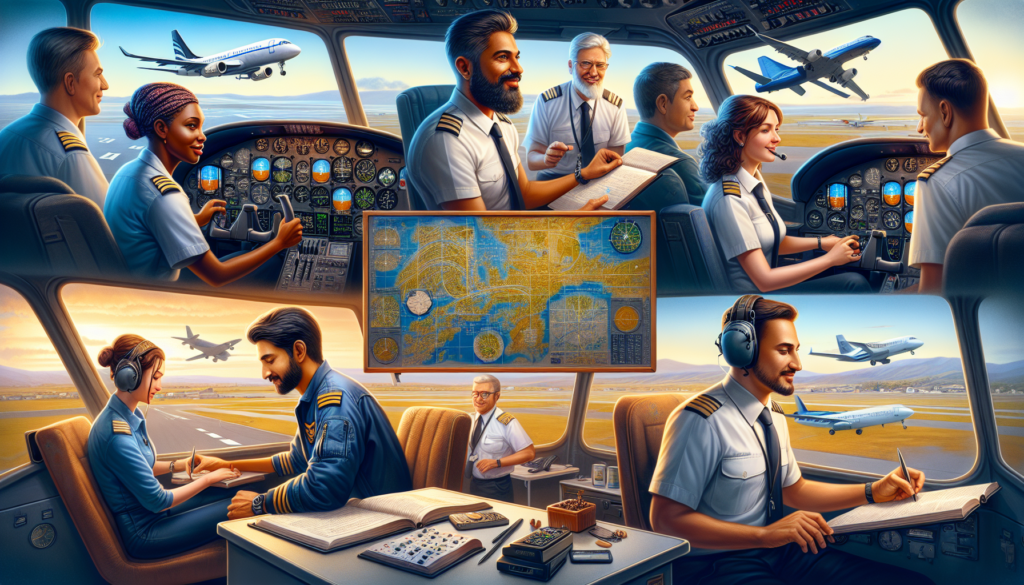
Understanding Aviation Education
Aviation education is the foundation for anyone aspiring to build a career in the dynamic field of aviation. It encompasses a broad range of learning opportunities, from theoretical knowledge about aerodynamics and meteorology to practical skills essential for flying. Whether you aim to become a recreational pilot or a commercial airline captain, a solid educational background is critical to your success.
Modern aviation education programs blend classroom instruction with hands-on experience, ensuring students develop both cognitive and technical skills. These programs often prepare students for various certifications and licenses, guiding them through progressively complex stages of learning.
Flight Training: Building Your Skills in the Sky
Flight training is the practical component of aviation education, where aspiring pilots gain experience flying aircraft under the supervision of certified instructors. This stage is crucial for developing confidence, situational awareness, and decision-making abilities in real flight conditions.
Structured flight training programs typically begin with basic maneuvers and gradually introduce more advanced techniques, ensuring a smooth learning curve. The quality and intensity of flight training can significantly impact a student’s proficiency and readiness for certification exams.
Sport Pilot Training
Sport pilot training is designed for individuals looking to fly light-sport aircraft with fewer regulatory requirements compared to other pilot certifications. This training offers a faster and often more affordable path to flying, focusing on essential skills and safety.
Students learn to operate small aircraft primarily for personal and recreational purposes, with restrictions on flying in certain airspace and weather conditions. Sport pilot training serves as an excellent introduction to aviation for beginners or those seeking a flexible flying experience.
Private Pilot Training
Private pilot training offers comprehensive instruction to prepare students for the private pilot certificate, which allows flying more complex aircraft under a broader range of conditions. This program covers basic flight principles, navigation, communication, and emergency procedures.
Completing private pilot training is a significant milestone, enabling pilots to carry passengers and fly cross-country. It lays a strong foundation for those intending to advance to more specialized or commercial pilot licenses.
Commercial Pilot Training
For those pursuing a professional career in aviation, commercial pilot training provides advanced skills necessary to operate aircraft for compensation. This training emphasizes precision, efficiency, and adherence to regulatory standards in diverse flying environments.
Students in commercial pilot training gain experience with complex aircraft systems, multi-engine operations, and advanced flight maneuvers. Successful completion opens doors to jobs with airlines, charter companies, and other commercial aviation sectors.
Instrument Training
Instrument training is a critical component for pilots seeking to enhance their abilities to fly safely under instrument flight rules (IFR). This training focuses on navigating and controlling aircraft solely by reference to instruments, which is essential in poor weather or low visibility.
The curriculum includes mastering instrument approaches, holding patterns, and advanced navigation techniques. Instrument training significantly increases a pilot’s operational capability and safety margin.
Advanced and Instrument Ground Instruction
Ground instruction complements flight training by deepening theoretical understanding and preparing students for written and oral examinations. Advanced and instrument ground instruction covers topics such as meteorology, air law, navigation, and aircraft systems.
These ground courses are vital for reinforcing