Aviation Education and Flight Training
Aviation is a field that requires a combination of knowledge, skills, and experience. Whether you are looking to become a sport pilot or a commercial pilot, proper education and flight training are essential for success in the industry.
Sport Pilot Training
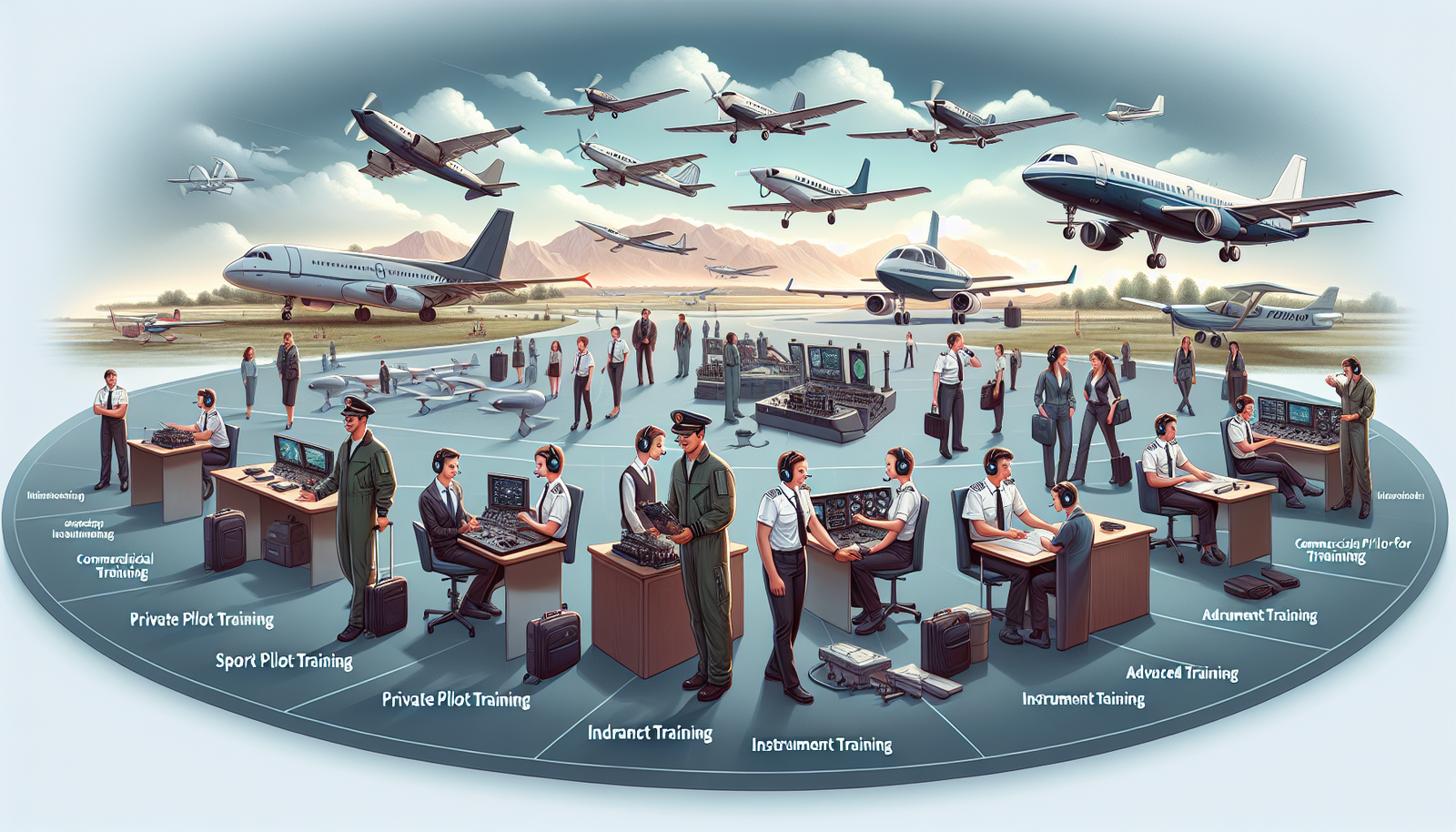
Sport pilot training is a great way to start your aviation journey. This training focuses on flying light-sport aircraft, which have certain limitations in terms of speed and weight. Sport pilots can fly solo or with a passenger, but they are not allowed to fly at night or in certain airspace.
Private Pilot Training
Private pilot training is the next level up from sport pilot training. Private pilots have fewer restrictions than sport pilots and can fly more advanced aircraft. This training includes both ground instruction and flight training to ensure that pilots are well-rounded and knowledgeable.
Commercial Pilot Training
For those looking to make a career out of flying, commercial pilot training is a must. This training is more advanced and in-depth than private pilot training, as commercial pilots are held to higher standards and are responsible for more complex operations.
Instrument Training
Instrument training is essential for pilots who want to fly in all weather conditions, including low visibility. This training focuses on using instruments and navigation aids to safely fly without relying on visual cues. Instrument training is a crucial skill for any pilot, no matter their level of experience.
Advanced and Instrument Ground Instruction
Ground instruction is an important aspect of aviation education and flight training. Pilots must have a solid understanding of aerodynamics, meteorology, navigation, and other topics to ensure safe and efficient flights. Advanced and instrument ground instruction provides pilots with the knowledge and skills they need to succeed in the aviation industry.