Introduction
Aviation education and flight training are the stepping stones to a successful career in the skies. Whether you dream of becoming a sport pilot, private pilot, or commercial pilot, proper training is essential to mastering the art of flying. In this ultimate guide, we will explore the different types of aviation education and flight training available to help you soar to new heights.
Sport Pilot Training
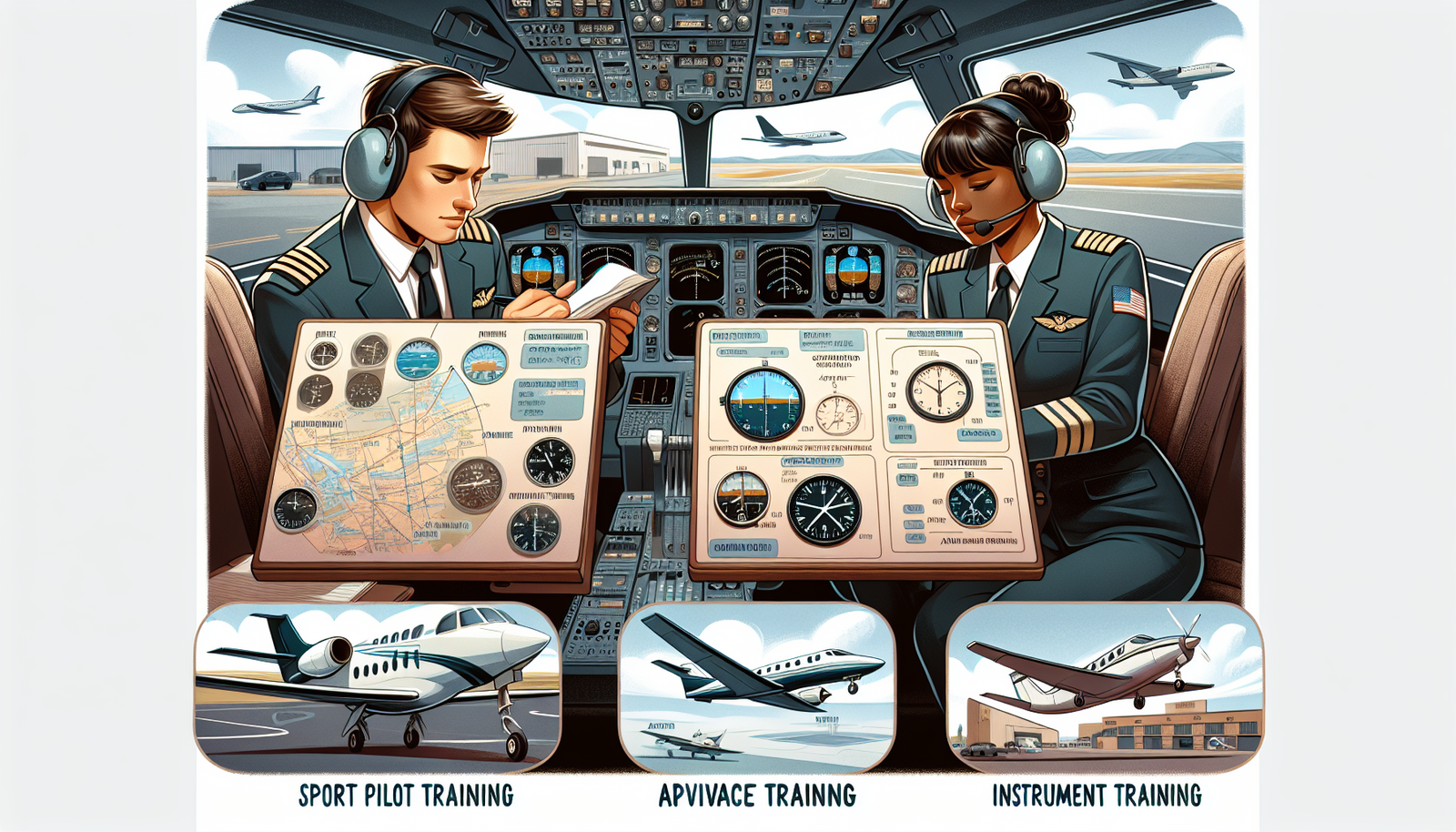
Sport pilot training is the perfect starting point for those who want to dip their toes into the world of aviation. This training focuses on the basics of flying, including aircraft control, navigation, and safety procedures. Sport pilots are limited to flying light-sport aircraft and cannot carry passengers or fly in controlled airspace.
Private Pilot Training
Private pilot training is the next step for those looking to expand their flying skills. With a private pilot license, you can fly more complex aircraft, carry passengers, and even fly for non-commercial purposes. Private pilot training covers advanced maneuvers, cross-country navigation, and emergency procedures.
Commercial Pilot Training
Commercial pilot training is designed for those who want to make a career out of flying. With a commercial pilot license, you can get paid to fly as a pilot for hire. This training focuses on advanced flight skills, commercial flight operations, and aircraft systems. Commercial pilots can work for airlines, charter companies, or as flight instructors.
Instrument Training
Instrument training is a crucial component of becoming a proficient pilot. This training focuses on flying by reference to instruments only, without relying on visual cues. Instrument training is essential for flying in low visibility conditions, such as clouds or fog. Instrument-rated pilots have more flexibility and can fly in a wider range of weather conditions.
Advanced and Instrument Ground Instruction
Ground instruction is an integral part of aviation education and flight training. Advanced and instrument ground instruction cover topics such as aerodynamics, weather theory, navigation, and regulations. Ground instruction helps pilots develop a deep understanding of aviation principles and prepares them for the written knowledge tests required for pilot certification.