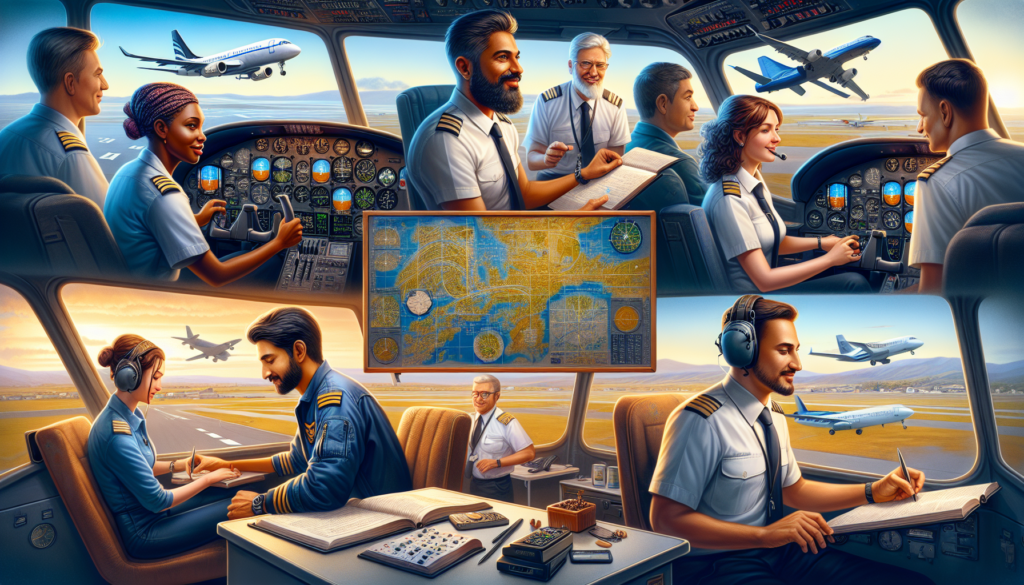
Understanding the Foundations of Aviation Education
Aviation education is the cornerstone for anyone aspiring to take to the skies. Whether you are interested in recreational flying or a professional career, a structured educational path is essential. It encompasses theoretical knowledge and practical skills, ensuring pilots are well-prepared to handle the complexities of flying safely and efficiently.
From understanding aerodynamics to mastering air traffic control communications, aviation education covers a broad spectrum of topics. This solid groundwork is crucial before embarking on any flight training program, setting the stage for successful pilot certification and advancement.
Beginning Your Journey: Sport Pilot Training
Sport pilot training offers an excellent entry point for aspiring aviators. Designed for those who want to fly light sport aircraft, this training emphasizes fundamental flying skills and basic aviation knowledge. Sport pilot training is often more accessible and requires fewer hours than private pilot training, making it ideal for hobbyists and part-time flyers.
During sport pilot training, students learn essential maneuvers, safety protocols, and how to operate light aircraft under visual flight rules (VFR). This level of training builds confidence and introduces pilots to the joy and responsibility of flying.
Advancing Skills: Private Pilot Training
Private pilot training is the next step for those seeking broader flying privileges and the ability to carry passengers. This phase involves comprehensive instruction in flight operations, navigation, weather, and aircraft systems. Students receive both flight training and ground instruction, enhancing their understanding of aviation principles and regulations.
Completion of private pilot training allows pilots to fly more complex aircraft and prepares them for further certifications. It is a pivotal stage that demands commitment and sharpens a pilot’s competency and decision-making skills.
Professional Pathway: Commercial Pilot Training
For those aiming to pursue a career in aviation, commercial pilot training offers advanced education and flight experience. This training focuses on developing a high level of proficiency, precision, and professionalism needed for commercial operations. Students learn advanced maneuvers, complex navigation, and regulatory requirements specific to commercial pilots.
Commercial pilot training often includes rigorous flight hours and exams, ensuring graduates are equipped to operate as airline pilots, charter pilots, or flight instructors. It is a demanding but rewarding stage that opens the door to numerous aviation career opportunities.
Enhancing Expertise: Instrument Training
Instrument training is critical for pilots who want to fly safely in various weather conditions and through clouds using instruments rather than visual cues. This specialized training teaches pilots to rely on cockpit instruments for navigation and control, significantly expanding flying capabilities and safety margins.
Through instrument training, pilots gain proficiency in flying under instrument flight rules (IFR), which is essential for commercial aviation and advanced flight operations. This training includes both practical flight experience and advanced and instrument ground instruction.
Comprehensive Ground Instruction
Advanced and instrument ground instruction is a vital component of pilot education. These classroom or simulator-based sessions cover complex topics such as meteorology, flight planning, aircraft systems, and navigation techniques. Ground instruction complements practical flight training by deepening theoretical knowledge.
Dedicated ground instruction ensures that pilots not only operate aircraft skillfully but also understand the science and regulations behind their actions. This comprehensive approach reinforces safety, situational