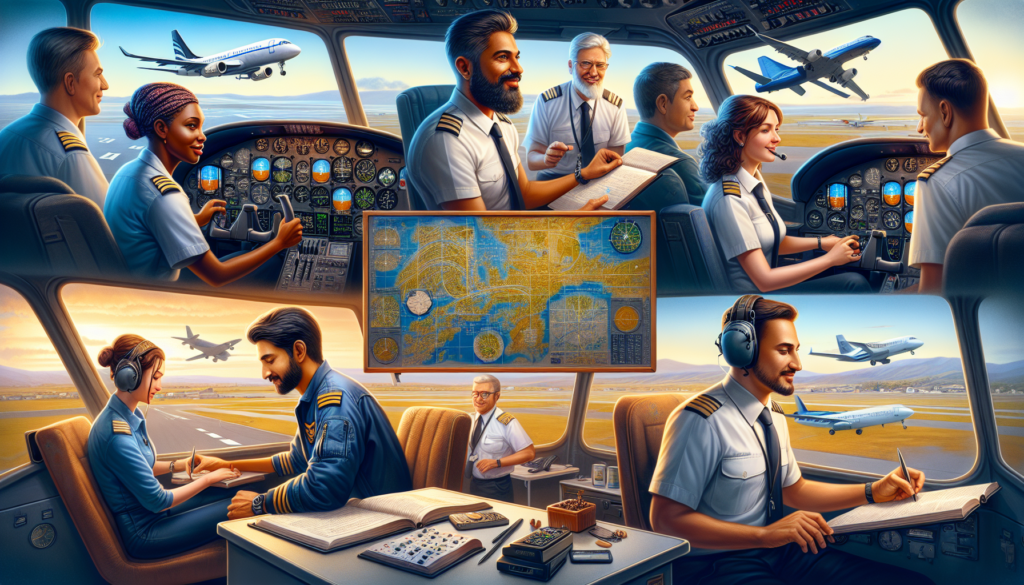
Understanding the Foundations of Aviation Education
Aviation education is the cornerstone for anyone aspiring to take to the skies, whether for recreation or a professional career. It encompasses a broad range of training programs designed to equip students with the necessary knowledge and skills to operate aircraft safely and efficiently.
From theoretical lessons to practical flight training, aviation education covers critical topics such as aerodynamics, meteorology, navigation, and aviation regulations. This comprehensive approach ensures that pilots at all levels have a solid foundation before they begin hands-on flying.
Exploring Sport Pilot Training: The Gateway to the Skies
Sport pilot training offers a more accessible entry point into aviation for many enthusiasts. This training focuses on lightweight, simple aircraft, allowing individuals to experience flying with fewer regulatory requirements compared to private or commercial licenses.
During sport pilot training, students learn fundamental flight maneuvers, basic navigation, and safety procedures. This level of flight training is ideal for those seeking recreational flying and serves as a stepping stone for further pilot certifications.
Private Pilot Training: Building Essential Skills
Private pilot training is an important milestone in aviation education, providing pilots with the skills necessary to fly a wide range of aircraft for personal use. The curriculum includes in-depth flight training combined with advanced ground instruction to prepare students for solo and cross-country flights.
Students undergo rigorous training in flight planning, emergency procedures, and communication with air traffic control. Successful completion of private pilot training opens the door to more advanced certifications and flying privileges.
Advancing with Commercial Pilot Training
For those aiming to turn their passion into a profession, commercial pilot training is essential. This stage of aviation education focuses on mastering complex aircraft operations, improving flight precision, and understanding commercial aviation regulations.
Commercial pilot training involves higher standards of flight training hours, including instrument and multi-engine experience. Pilots learn advanced maneuvers, crew resource management, and operational decision-making crucial for commercial aviation careers.
The Role of Instrument Training in Pilot Proficiency
Instrument training is a critical component of pilot education that enables aviators to fly safely under various weather conditions and rely solely on cockpit instruments for navigation. This specialized flight training enhances a pilot’s confidence and capability in low-visibility environments.
Through instrument training, students gain proficiency in instrument approaches, holding patterns, and navigation systems. This expertise is not only vital for commercial pilots but also benefits private and sport pilots seeking to expand their operational capabilities.
Advanced and Instrument Ground Instruction: The Key to Mastery
Advanced and instrument ground instruction supports flight training by providing the theoretical knowledge necessary for instrument flying and complex flight scenarios. This instruction covers topics such as IFR regulations, meteorology, and advanced navigation techniques.
Incorporating ground instruction alongside practical flight training ensures that pilots develop a comprehensive understanding of flight principles and regulatory requirements. This combination prepares students for successful certification exams and real-world flying challenges.
Conclusion: Taking Flight with Confidence
Whether you are starting with sport pilot training or aiming for a commercial pilot career, a well-rounded aviation education is fundamental to soaring to new heights. Through structured flight training and thorough ground instruction, aspiring pilots gain