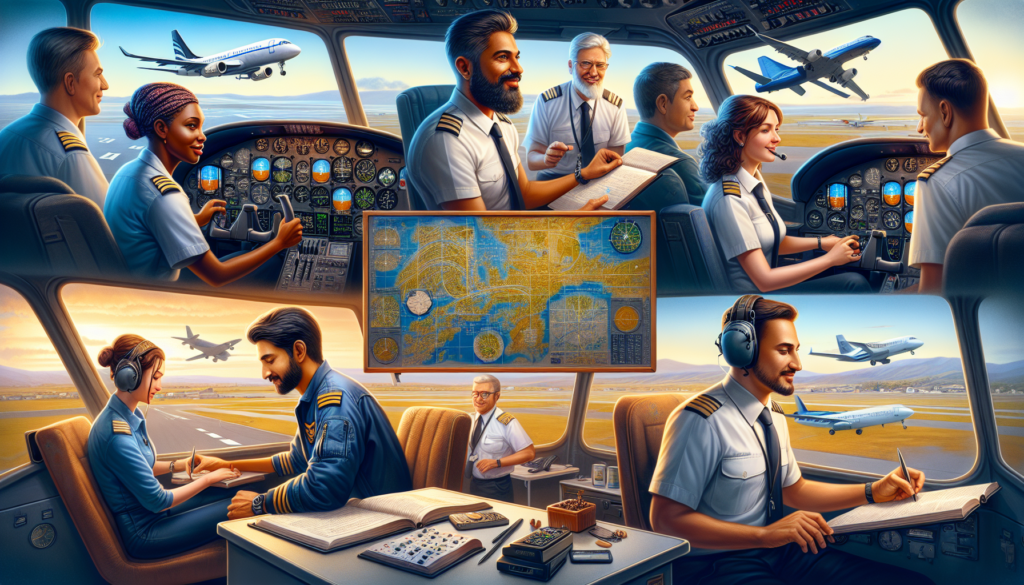
Understanding Aviation Education
Aviation education is the foundation for anyone aspiring to take to the skies. It encompasses a broad spectrum of learning opportunities, from basic aerodynamics to advanced navigation systems. Whether you aim to become a recreational pilot or pursue a lucrative career in commercial aviation, a solid educational background is essential.
Flight training programs are designed to equip students with both theoretical knowledge and practical skills. This holistic approach ensures that every pilot is well-prepared to handle real-world flying scenarios with confidence and competence.
Beginning Your Journey with Sport Pilot Training
Sport pilot training is an excellent starting point for those new to aviation. It offers a streamlined entry into flying with fewer requirements than private pilot training while still focusing on safety and fundamental flying skills. This level of training is ideal for recreational pilots who want to enjoy flying light-sport aircraft.
During sport pilot training, students learn basic maneuvers, airspace regulations, and how to operate aircraft systems. The course includes both ground instruction and flight hours, preparing students to earn their sport pilot certificate efficiently.
Advancing Through Private Pilot Training
Private pilot training builds on the basics acquired during sport pilot training and opens the door to more complex flying experiences. It allows pilots to fly a wider range of aircraft and carry passengers, making it a popular choice for those serious about aviation.
Comprehensive ground instruction covers topics such as meteorology, navigation, and flight planning. Flight training focuses on precision flying, emergency procedures, and cross-country flights, ensuring that private pilots are competent and confident.
Elevating Skills with Instrument Training
Instrument training is a critical component of pilot education, enabling pilots to fly safely in low visibility and challenging weather conditions. This specialized training focuses on navigating solely by reference to instruments, enhancing a pilot’s situational awareness and decision-making skills.
Advanced and instrument ground instruction provides the theoretical foundation necessary for instrument rating exams. Combined with hands-on flight training, it prepares pilots to operate under Instrument Flight Rules (IFR), expanding their operational capabilities.
Reaching Professional Heights with Commercial Pilot Training
Commercial pilot training is designed for those seeking to make flying their profession. This rigorous program demands higher proficiency, advanced knowledge, and refined skills to meet industry standards.
Training includes advanced maneuvers, complex flight operations, and adherence to strict regulatory requirements. Successful completion allows pilots to be compensated for their flying services, opening opportunities in airlines, charter services, and other commercial aviation sectors.
Choosing the Right Path in Aviation Education
Selecting the appropriate flight training program depends on your goals, time commitment, and resources. Starting with sport pilot training is ideal for casual flyers, while private and commercial pilot training cater to more ambitious aviation careers.
Investing in advanced and instrument ground instruction alongside practical flight experience ensures a well-rounded education, preparing pilots for safe and successful flying at any level.