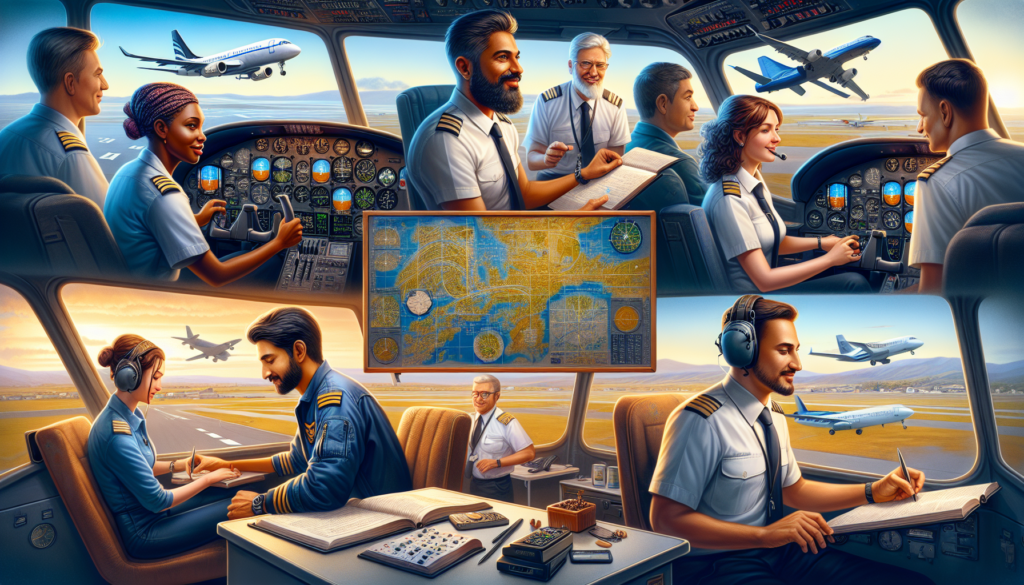
Understanding Aviation Education
Aviation education serves as the foundation for anyone aspiring to build a career in the dynamic field of aviation. It encompasses a wide range of programs designed to equip aspiring pilots and aviation professionals with the necessary knowledge and skills. From basic flight principles to advanced aerodynamics, aviation education ensures that students are well-prepared for their journey in the skies.
Whether you are just starting or looking to enhance your expertise, quality aviation education is crucial to mastering the complexities of flight and aviation operations.
Exploring Flight Training Programs
Flight training is a hands-on approach to learning that focuses on actual flying experience combined with theoretical knowledge. Different programs cater to varying levels of expertise and career goals, making it essential to choose the right path based on your ambitions.
Sport Pilot Training
Sport pilot training is ideal for those who want to fly light sport aircraft and enjoy recreational flying. This program focuses on fundamental flying skills and is generally quicker and more affordable compared to other pilot training options.
Private Pilot Training
Private pilot training provides comprehensive instruction that prepares students to fly solo or carry passengers under visual flight rules (VFR). This training is the cornerstone for many pilots aiming to progress to advanced certifications and professional flying careers.
Commercial Pilot Training
Commercial pilot training is designed for aspiring pilots who intend to fly for compensation or hire. This rigorous program covers a broad spectrum of flying skills, including complex aircraft operation, flight planning, and adherence to regulatory standards.
Mastering Instrument Training
Instrument training is an essential component for pilots aiming to fly safely in various weather conditions and low-visibility environments. This specialized training teaches pilots how to rely on instruments rather than visual cues, enhancing flight safety and operational capability.
Advanced and Instrument Ground Instruction
Advanced and instrument ground instruction provides the theoretical foundation necessary for instrument flight. This includes learning about navigation systems, weather interpretation, flight rules, and emergency procedures. Combining ground instruction with practical instrument training equips pilots with the confidence and skills needed for complex flight scenarios.
Choosing the Right Program for Your Aviation Career
Selecting the appropriate aviation education and training program depends on your career goals, budget, and schedule. Whether you aim to enjoy flying as a hobby or pursue a professional pilot career, understanding the distinct features of sport pilot training, private pilot training, commercial pilot training, and instrument training will help guide your decision.
Investing in quality aviation education and comprehensive flight training sets the stage for a successful and fulfilling journey in the aviation industry. With dedication and the right training, you can soar to new heights and realize your dreams of flight.