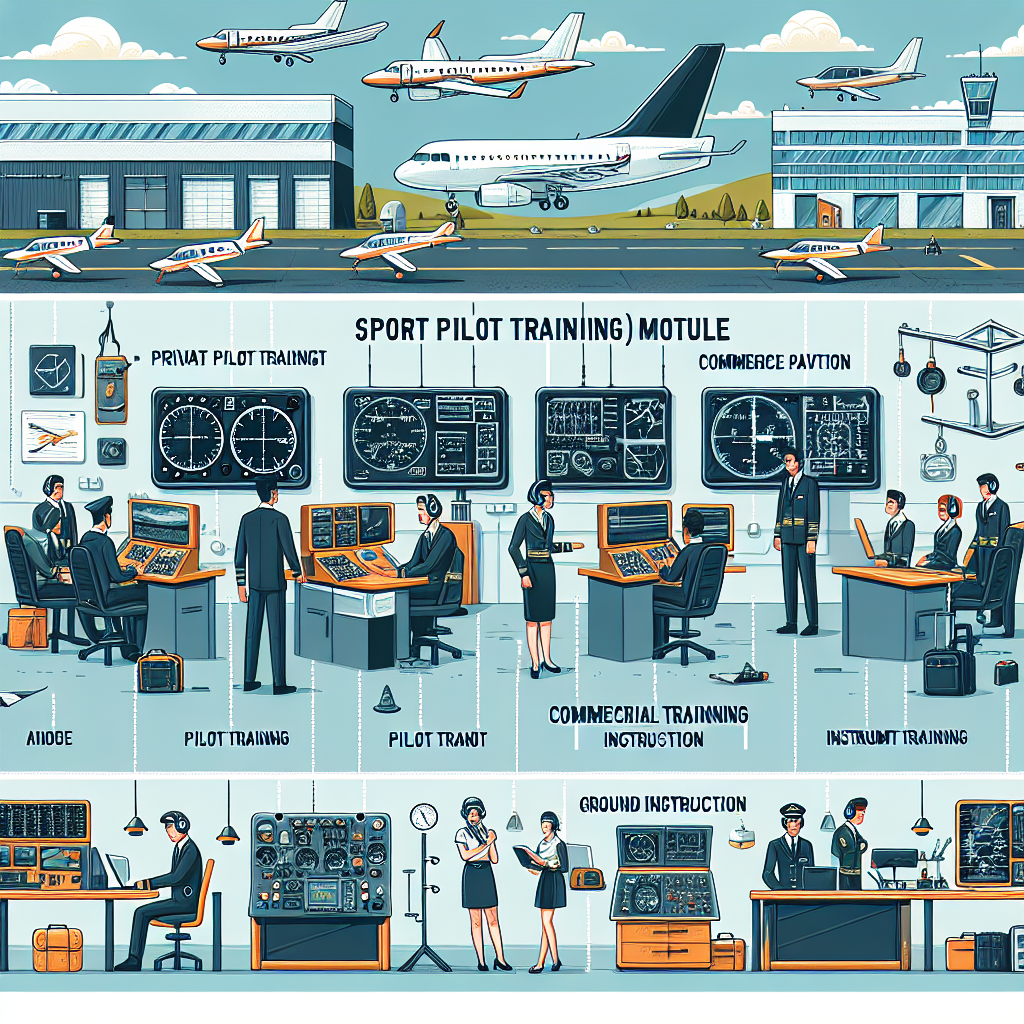
Understanding the Foundations of Aviation Education
Aviation education is the cornerstone for anyone aspiring to take to the skies. Whether you are a hobbyist or aiming for a professional career, comprehensive knowledge paired with practical skills is essential. From understanding aerodynamics to mastering navigation systems, a solid educational foundation ensures safety and proficiency in flight.
Flight training programs offer structured learning paths tailored to different pilot certifications. These programs combine classroom instruction, simulator practice, and real-world flying experience to prepare students for various aviation challenges.
Getting Started with Sport Pilot Training
Sport pilot training is an excellent entry point for those new to aviation. Designed for recreational flyers, this training focuses on lightweight aircraft and basic flight maneuvers. It requires fewer hours than other certifications, making it accessible and affordable.
During sport pilot training, students learn essential skills such as takeoffs, landings, and emergency procedures. This training emphasizes safety and confidence-building, laying the groundwork for more advanced certifications.
Advancing Through Private Pilot Training
Private pilot training is the next step for those who want to fly more complex aircraft and carry passengers. This stage deepens your understanding of flight principles, airspace regulations, and cross-country navigation.
Students receive comprehensive flight training that includes solo flights and night flying, enabling them to operate under a wider range of conditions. Successful completion opens doors to personal and professional opportunities in aviation.
Elevating Skills with Commercial Pilot Training
Commercial pilot training is designed for aspiring professional pilots. This rigorous program builds advanced flying skills, including complex aircraft operation and commercial flight regulations. It prepares pilots for careers in airlines, charter services, and cargo transport.
Students engage in intensive flight training that emphasizes precision, decision-making, and safety under pressure. Commercial certification is a critical milestone for those seeking to make aviation their career.
Mastering the Skies with Instrument Training
Instrument training is crucial for pilots who want to fly confidently in poor weather and low visibility. This training teaches the use of cockpit instruments to navigate and control the aircraft without relying on visual cues.
Advanced and instrument ground instruction provide theoretical knowledge on instrument procedures, air traffic control communications, and weather analysis. Complemented by practical flight training, this prepares pilots for instrument rating certification.
Why Choose Comprehensive Advanced and Instrument Ground Instruction?
Advanced and instrument ground instruction is vital for understanding the complexities of instrument flying. It covers topics such as IFR (Instrument Flight Rules) regulations, advanced navigation systems, and emergency protocols.
Combining this ground instruction with hands-on instrument training ensures pilots gain a complete skill set. This integrated approach enhances safety, confidence, and operational capabilities in all weather conditions.
Conclusion: Charting Your Course in Aviation
Embarking on aviation education and flight training is a transformative journey. From sport pilot training to commercial pilot certification and instrument mastery, each stage builds your expertise and opens new horizons.
By investing in comprehensive training and advanced ground instruction, you equip yourself with the skills needed to soar safely and successfully. Whether for leisure or a professional career, your commitment to learning is the key to reaching new heights in aviation.</