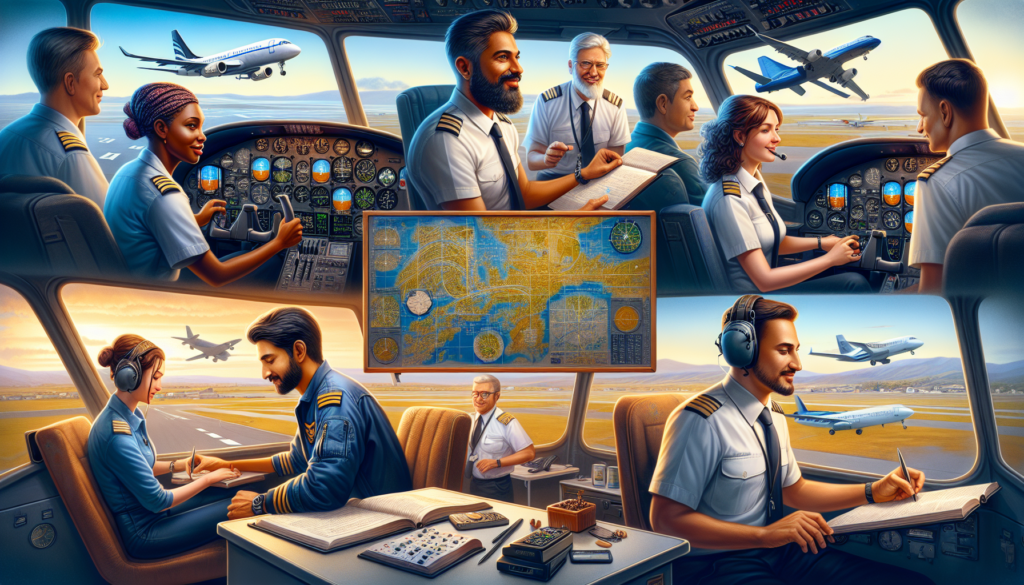
Understanding the Foundations of Aviation Education
Aviation education is the cornerstone for anyone aspiring to take to the skies, whether as a hobbyist or a professional pilot. It encompasses a broad spectrum of learning experiences, from theoretical knowledge to hands-on flight training, designed to equip students with the skills and confidence needed to operate aircraft safely and efficiently.
Quality aviation education programs integrate classroom instruction with real-world flight experience, ensuring a comprehensive understanding of aerodynamics, navigation, meteorology, and aviation regulations. This balanced approach lays the groundwork for successful progression through various pilot certifications.
Exploring Sport Pilot Training: Your First Step in the Sky
Sport pilot training offers an accessible and cost-effective entry point into aviation for many beginners. Designed for those interested in flying lighter, smaller aircraft under visual flight rules, this training focuses on fundamental flight skills and safety procedures.
Through sport pilot training, students learn basic maneuvers, airspace awareness, and communication protocols, preparing them to operate within the specific limitations of sport pilot privileges. This level of training is ideal for recreational flyers seeking the joy of flight without the extensive commitments required for higher certifications.
Advancing Skills with Private Pilot Training
Private pilot training is a pivotal stage for aspiring aviators aiming to expand their flight capabilities. It provides comprehensive instruction on piloting a wide range of aircraft under visual flight rules and introduces more complex flight scenarios.
This training includes mastering navigation, emergency procedures, and cross-country flying, alongside accumulating flight hours required for certification. Private pilot training not only enhances flying proficiency but also opens the door to flying for personal and leisure purposes with greater autonomy.
Mastering the Skies: Commercial Pilot Training
For those pursuing a professional career in aviation, commercial pilot training is an essential step. This rigorous program builds upon previous certifications and focuses on developing advanced flying skills necessary for operating aircraft in commercial environments.
Commercial pilot training covers complex aircraft systems, multi-engine operations, and adherence to stringent safety and regulatory standards. Graduates are qualified to fly for hire, making this training crucial for roles such as airline pilot, charter pilot, or flight instructor.
Enhancing Proficiency through Instrument Training
Instrument training is a specialized area of flight training aimed at enabling pilots to fly safely in reduced visibility conditions using only cockpit instruments. This training is critical for expanding a pilot’s operational capabilities beyond visual flight rules.
By mastering instrument approaches, navigation aids, and cockpit resource management, pilots gain the confidence and skills required for flying in diverse weather conditions and controlled airspace, thereby increasing their safety and versatility.
Building Knowledge with Advanced and Instrument Ground Instruction
Advanced and instrument ground instruction provides the theoretical foundation necessary to support practical flight training. These classroom sessions delve into complex topics such as advanced aerodynamics, meteorology, flight planning, and aviation regulations.
Ground instruction is vital for preparing pilots to pass written examinations and to understand the principles behind instrument flying. Combining this knowledge with practical training ensures well-rounded, competent pilots capable of meeting the demands of modern aviation.