Understanding the Foundations of Aviation Education
Aviation education is the cornerstone for anyone aspiring to take to the skies, whether as a hobbyist or a professional pilot. It encompasses a broad spectrum of knowledge areas including aerodynamics, navigation, meteorology, and aviation regulations. A solid educational foundation ensures safe and proficient flight operations across all levels of pilot training.
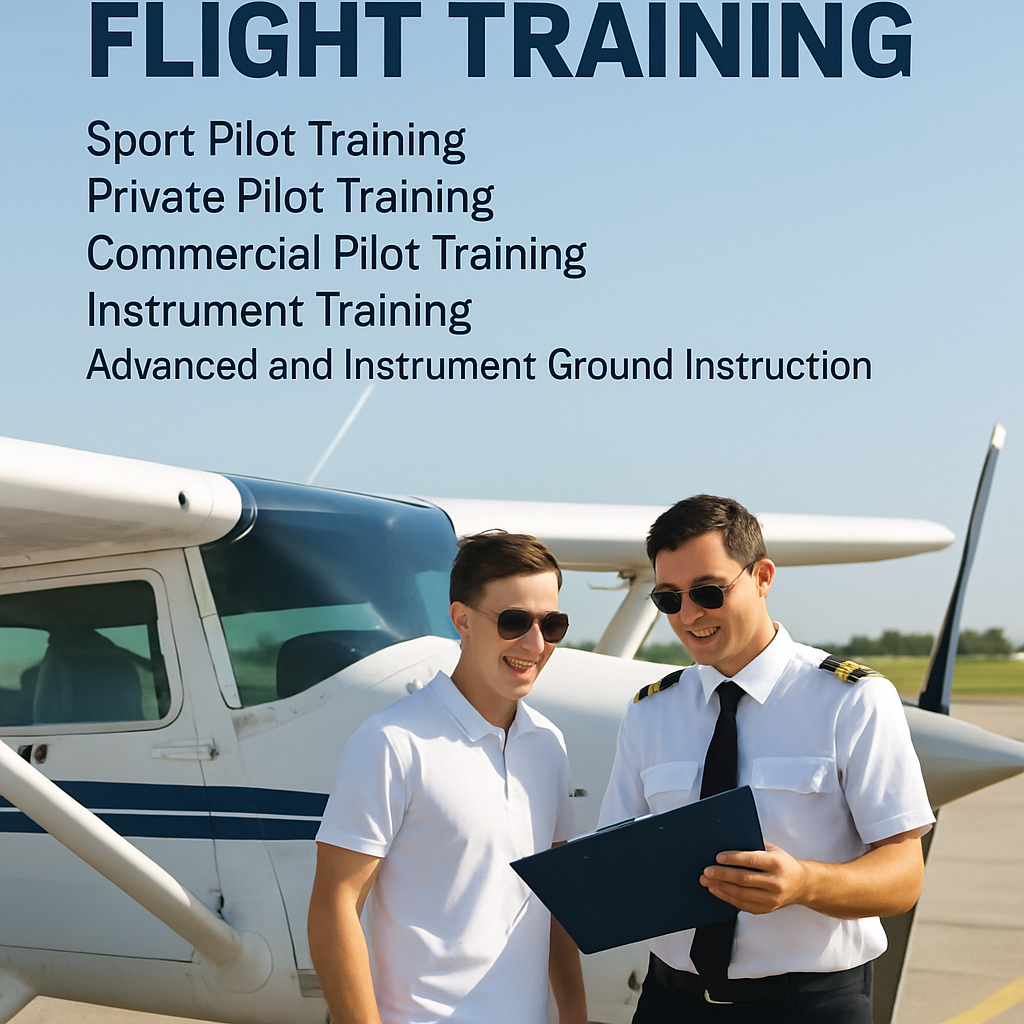
From the initial stages of sport pilot training to the complexities of commercial pilot training, structured aviation education provides the theoretical and practical skills necessary to excel. Aspiring pilots benefit greatly from comprehensive programs that combine classroom instruction with hands-on flight experience.
Flight Training: From Sport Pilots to Commercial Aviators
Sport Pilot Training
Sport pilot training is an excellent starting point for individuals new to aviation. It offers a streamlined pathway to earn a pilot certificate with fewer requirements compared to other licenses. This level of training focuses on light-sport aircraft and typically includes basic flight maneuvers, safety protocols, and regulations pertinent to sport flying.
Private Pilot Training
Private pilot training is the next step in a pilot’s journey, providing a more comprehensive skill set and the ability to fly a broader range of aircraft. This training covers advanced aerodynamics, cross-country flying, emergency procedures, and night flying. Obtaining a private pilot license opens opportunities for personal and recreational flying with greater autonomy.
Commercial Pilot Training
Commercial pilot training prepares individuals to pursue aviation as a profession. This stage involves rigorous flight instruction, including complex flight operations, advanced navigation, and an in-depth understanding of aviation laws. Graduates are equipped to operate commercial flights, carry passengers or cargo, and pursue careers with airlines or charter companies.
Enhancing Skills with Instrument and Advanced Ground Instruction
Instrument Training
Instrument training is critical for pilots aiming to fly under instrument flight rules (IFR), enabling them to operate safely in low visibility conditions. This specialized training teaches the use of cockpit instruments for navigation and flight control, ensuring pilots can maintain situational awareness and adhere to air traffic control instructions.
Advanced and Instrument Ground Instruction
Ground instruction complements flight training by providing an in-depth understanding of instrument procedures, aviation weather, and airspace regulations. Advanced and instrument ground instruction prepares pilots for the demands of complex flight environments and enhances their decision-making skills, ultimately contributing to safer and more confident flying.
Choosing the Right Aviation Education Program
Selecting an aviation education program that offers comprehensive flight training and ground instruction is crucial for success. Look for accredited institutions with experienced instructors, state-of-the-art simulators, and access to a variety of aircraft. Whether beginning with sport pilot training or advancing to commercial pilot training, the right program will support your goals and help you soar to new heights.