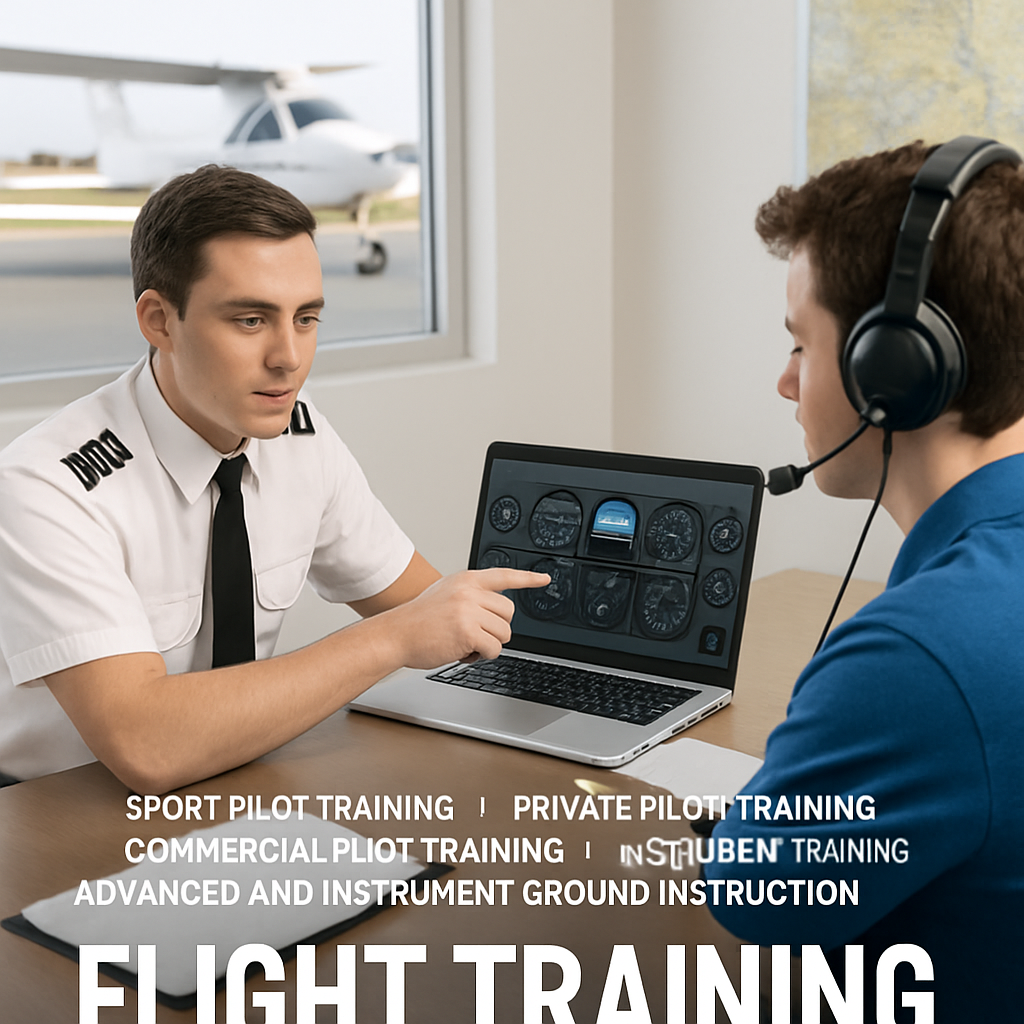
Understanding the Foundations of Aviation Education
Aviation education is the cornerstone for anyone aspiring to take to the skies. Whether you dream of flying as a hobby or pursuing a professional pilot career, a solid educational foundation is essential. This includes understanding aerodynamics, navigation, meteorology, and aviation regulations, all of which form the building blocks of safe and effective flight training.
Quality aviation education programs integrate both theoretical knowledge and practical skills, preparing students for various pilot certifications. From sport pilot training to advanced commercial pilot training, the curriculum is designed to develop competent and confident aviators.
Getting Started with Sport Pilot Training
Sport pilot training is an excellent entry point for those new to flying or seeking recreational flight privileges. This training focuses on lightweight aircraft and requires fewer flight hours compared to private pilot training, making it accessible and cost-effective.
During sport pilot training, students learn essential flight maneuvers, emergency procedures, and basic navigation. Additionally, students receive instruction on airspace rules and weather considerations tailored for light-sport aircraft operations. This pathway often serves as a stepping stone to more advanced pilot certifications.
Advancing Through Private Pilot Training
Private pilot training builds upon the fundamentals acquired during sport pilot training, expanding a pilot’s capabilities and privileges. This training involves comprehensive flight instruction, including cross-country navigation, night flying, and solo flight experience.
Students pursuing private pilot training undergo rigorous flight training paired with advanced ground instruction to deepen their understanding of aviation principles. Successfully obtaining a private pilot certificate allows for broader flight opportunities, including flying larger and more complex aircraft.
Mastering Skills with Commercial Pilot Training
Commercial pilot training prepares aspiring professional pilots for a career in aviation. This level of training demands a higher standard of proficiency, including precision flying, complex aircraft handling, and adherence to stringent safety protocols.
During commercial pilot training, students engage in extensive flight training and advanced and instrument ground instruction to master instrument navigation, flight planning, and decision-making under various conditions. Completion of this program enables pilots to operate aircraft for compensation or hire.
Enhancing Proficiency Through Instrument Training
Instrument training is a critical component for pilots aiming to fly safely in varied weather conditions and low visibility. This specialized training teaches pilots how to rely on cockpit instruments and navigation aids to maintain control and situational awareness.
Instrument training includes both flight time in simulated or actual instrument conditions and advanced and instrument ground instruction. Pilots learn to interpret instrument data, execute precision approaches, and comply with instrument flight rules (IFR), significantly enhancing their operational capabilities.
The Importance of Advanced and Instrument Ground Instruction
Advanced and instrument ground instruction complements flight training by providing in-depth theoretical knowledge necessary for complex flight operations. This instruction covers topics such as advanced aerodynamics, meteorology, air traffic control procedures, and aviation regulations.
Ground instruction is essential for preparing pilots to pass written examinations and to understand the principles behind practical flight maneuvers. It ensures that pilots are not only skilled in flying but also knowledgeable about the broader aspects of aviation safety and management.