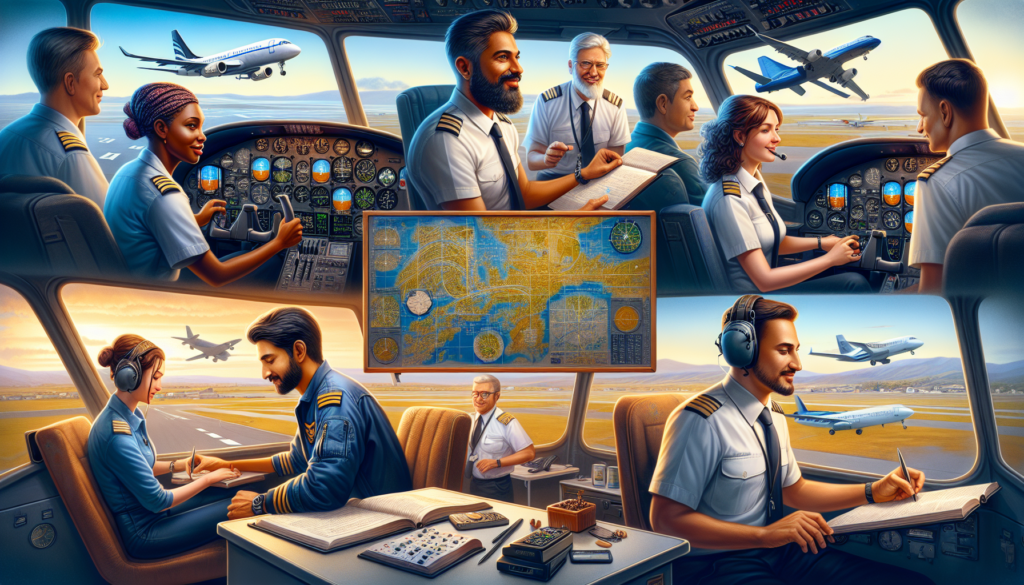
Understanding Aviation Education
Aviation education forms the foundation for anyone aspiring to take to the skies. Whether you’re interested in becoming a recreational pilot or aiming for a professional career, a solid educational background is essential. This education encompasses theoretical knowledge, practical skills, and regulatory understanding necessary for safe and efficient flight operations.
From learning aerodynamics and meteorology to mastering aviation regulations, aviation education prepares students for the various challenges they will face in the cockpit. Many accredited flight schools offer structured programs that combine classroom instruction with hands-on flight training to ensure comprehensive learning.
Flight Training: Building Your Skills
Flight training is the core component of pilot education, where theory meets practice. It involves learning how to operate an aircraft under the guidance of certified flight instructors. Flight training progresses through various stages, starting with basic handling to more advanced maneuvers and emergency procedures.
Structured flight training programs are designed to cultivate confidence and proficiency. These programs include different certifications and ratings, each tailored to specific pilot goals and aviation fields.
Sport Pilot Training
Sport pilot training is ideal for those who want to fly light-sport aircraft for recreational purposes. It requires fewer hours of flight time compared to other certifications and focuses on fundamental flight skills. This training emphasizes safety, basic navigation, and understanding weather conditions suitable for sport flying.
Private Pilot Training
Private pilot training is the next step up and is essential for those who wish to fly more complex aircraft and carry passengers. This level of training involves rigorous instruction in navigation, flight planning, communication, and emergency procedures. A private pilot license opens the door to personal flying and further advanced training.
Commercial Pilot Training
For those looking to turn their passion into a profession, commercial pilot training is necessary. This training focuses on mastering advanced flying techniques, complex aircraft systems, and adherence to stricter regulatory standards. Commercial pilot training prepares students for a career in airlines, cargo transport, or other commercial aviation sectors.
Instrument Training: Mastering the Skies in All Conditions
Instrument training is a critical component of advanced pilot education. It enables pilots to fly safely in low visibility conditions using only cockpit instruments. This specialization enhances a pilot’s ability to navigate through clouds, fog, and nighttime scenarios, significantly broadening their operational capabilities.
Advanced and Instrument Ground Instruction
Ground instruction complements flight training by providing in-depth theoretical knowledge necessary for instrument flying. Advanced and instrument ground instruction covers topics such as IFR (Instrument Flight Rules) regulations, instrument navigation systems, and weather analysis. This instruction is essential for preparing a pilot to pass written exams and perform proficiently in instrument flight conditions.
Conclusion
Soaring to success in aviation requires dedication to comprehensive aviation education and methodical flight training. Whether starting with sport pilot training or aiming for commercial pilot certification, each step builds essential skills and knowledge. Incorporating instrument training and advanced ground instruction equips pilots to face diverse flying conditions confidently.
By choosing a well-structured training program that covers all stages from sport to commercial pilot training, aspiring aviators can achieve their dreams and ensure safety and professionalism in the skies.