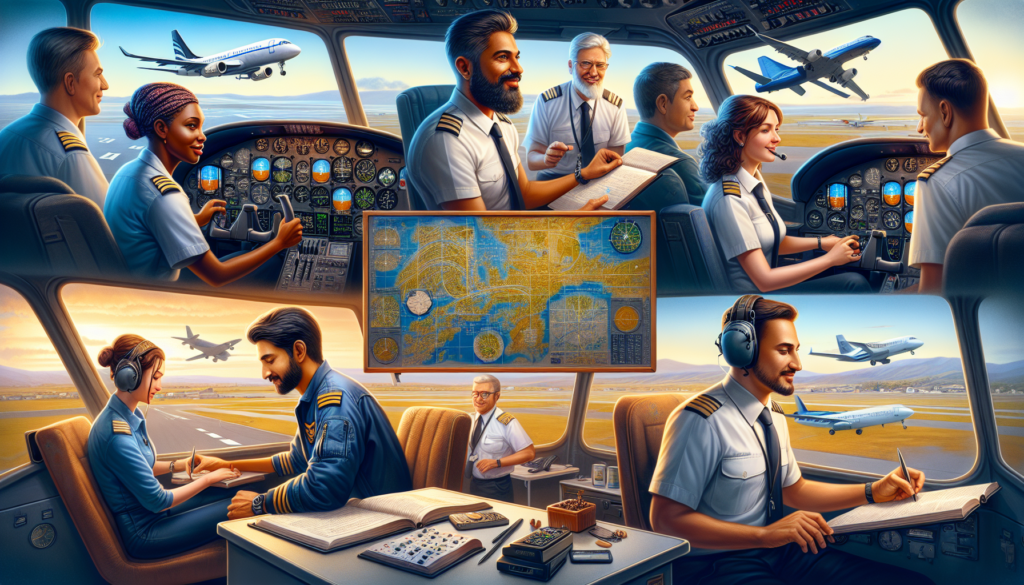
Understanding the Foundations of Aviation Education
Aviation education is the cornerstone for anyone aspiring to become a professional pilot or advance their skills in the aviation industry. It encompasses a broad range of programs designed to equip students with the knowledge and practical abilities necessary to navigate the complexities of flight safely and efficiently.
From theoretical coursework to hands-on flight training, aviation education prepares students for various certifications and licenses. Whether you are aiming for sport pilot training or looking to master advanced instrument techniques, a solid educational foundation is essential.
Flight Training: The Path to Becoming a Skilled Pilot
Flight training is a critical component of aviation education and involves practical instruction in the cockpit under the guidance of certified flight instructors. This training ensures that aspiring pilots develop the necessary skills and confidence to operate aircraft under different conditions.
There are several key stages in flight training, including sport pilot training, private pilot training, and commercial pilot training. Each stage progressively builds on the previous one, increasing in complexity and responsibility.
Sport Pilot Training
Sport pilot training is ideal for beginners who want to fly light, recreational aircraft. It requires fewer flight hours compared to other pilot certifications, making it an accessible and cost-effective entry point into aviation education. This training focuses on basic flight maneuvers, safety procedures, and understanding airspace regulations.
Private Pilot Training
Private pilot training prepares students to fly more advanced aircraft and engage in more complex flight scenarios. This program involves comprehensive instruction on navigation, weather, and communication with air traffic control. Achieving a private pilot license opens the door to flying for personal or non-commercial purposes.
Commercial Pilot Training
Commercial pilot training is designed for those who want to pursue a career in aviation. It demands higher proficiency and more flight hours than private pilot training. Students learn advanced flight techniques, emergency procedures, and how to operate under commercial regulations. Completion of this program qualifies pilots to be compensated for their flying services.
Instrument Training: Enhancing Your Flight Capabilities
Instrument training is essential for pilots who want to safely operate aircraft in low visibility or challenging weather conditions. This specialized training focuses on flying solely by reference to instruments, without relying on visual cues outside the cockpit.
Advanced and Instrument Ground Instruction
Before taking to the skies in instrument training, students undergo advanced and instrument ground instruction. This classroom-based learning covers topics such as navigation systems, weather patterns, instrument flight rules (IFR), and emergency protocols. Ground instruction lays the theoretical groundwork necessary for successful instrument flight training.
Combining ground instruction with practical instrument flight time enables pilots to develop the skills needed to handle complex flight environments confidently. Instrument training is a valuable addition to any pilot’s education, enhancing safety and expanding flying opportunities.
Choosing the Right Aviation Education Program for You
Selecting the right aviation education and flight training program depends on your career goals, budget, and schedule. Whether you aim to become a sport pilot for recreational flying or pursue an advanced commercial pilot career, there are programs tailored to meet your needs.
Look for accredited flight schools that offer comprehensive training options, including sport pilot training, private pilot training,