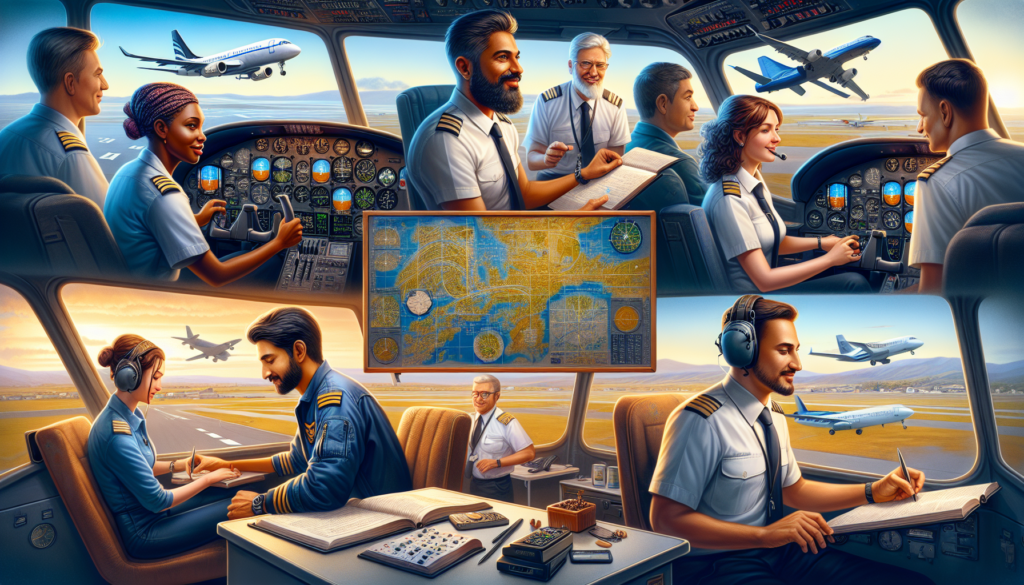
Understanding Aviation Education
Aviation education serves as the foundation for anyone aspiring to become a professional pilot or work within the aviation industry. It encompasses a broad range of knowledge areas including aerodynamics, meteorology, navigation, and aviation regulations. Comprehensive aviation education prepares students to excel in both theoretical knowledge and practical skills essential for safe and efficient flying.
Quality aviation education programs often combine classroom instruction with hands-on flight training, ensuring that students develop a holistic understanding of the aviation environment. This blend of learning methods helps aspiring pilots build confidence and competence before taking to the skies.
Flight Training: Building Your Skills in the Cockpit
Flight training is the cornerstone of pilot development and involves practical experience flying an aircraft under the guidance of a certified flight instructor. Through flight training, students learn essential maneuvers, emergency procedures, and decision-making skills.
There are various levels of flight training tailored to different pilot certifications and career goals. Whether you’re aiming for sport pilot training or commercial pilot training, each program is designed to progressively enhance your abilities in real-world aviation scenarios.
Sport Pilot Training
Sport pilot training offers an accessible entry point into aviation for those interested in flying light-sport aircraft. This program requires fewer flight hours and less stringent medical certification compared to other pilot licenses, making it ideal for hobbyists and recreational flyers.
During sport pilot training, students gain proficiency in basic flight operations, aircraft handling, and safety protocols. Graduates are authorized to fly during daylight hours and in favorable weather conditions, providing a practical and enjoyable flight experience.
Private Pilot Training
Private pilot training is the next step for those seeking greater privileges and the ability to fly a wider range of aircraft. This training involves more rigorous flight instruction and ground school subjects, including navigation, weather, and communications.
Completing private pilot training empowers individuals to fly solo or with passengers, enhancing personal freedom and opening doors to further aviation opportunities. This certification is often a prerequisite for advanced flight training programs.
Commercial Pilot Training
Commercial pilot training prepares students for a career in aviation by developing advanced flying skills and a thorough understanding of commercial air operations. This intensive program demands higher standards of proficiency, knowledge, and professionalism.
Graduates of commercial pilot training are qualified to be compensated for their flying services and often pursue roles such as charter pilots, flight instructors, or airline pilots. The training includes complex maneuvers, multi-engine operations, and adherence to strict regulatory requirements.
Instrument Training
Instrument training is a specialized component of pilot education that teaches flying solely by reference to instruments, which is essential for operating in low visibility and adverse weather conditions. This training enhances safety and expands the operational capabilities of pilots.
Pilots undergoing instrument training learn to interpret cockpit instruments, communicate effectively with air traffic control, and execute precision approaches. Mastery of instrument flying is crucial for those seeking to advance their careers and operate in a wider range of environments.
Advanced and Instrument Ground Instruction
Complementing flight training, advanced and instrument ground instruction focuses on the theoretical aspects of flying, including advanced aerodynamics, flight planning, and instrument procedures. This classroom