Understanding Aviation Education
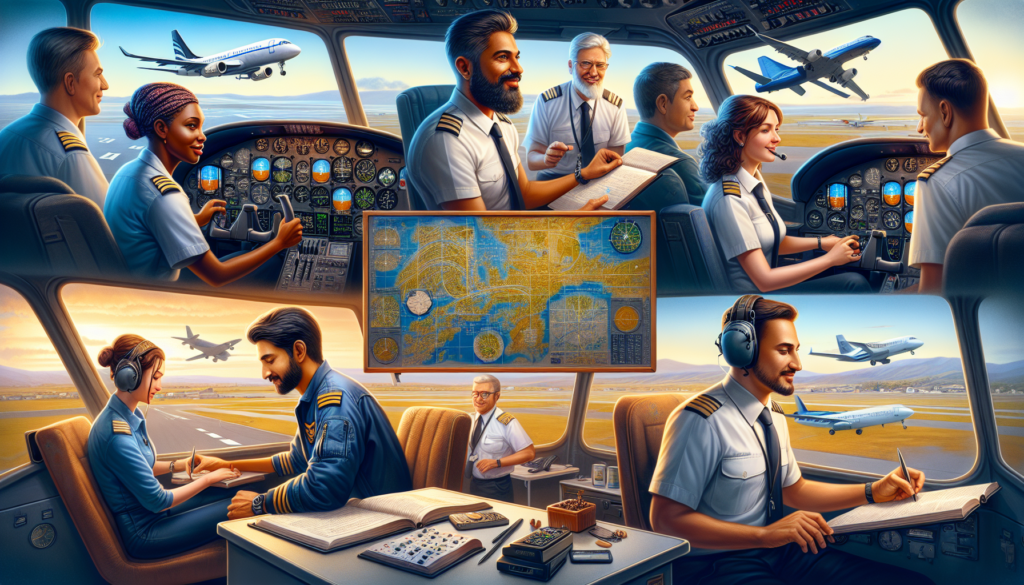
Aviation education lays the foundation for aspiring pilots and aviation professionals to develop the necessary skills, knowledge, and certifications required to take to the skies confidently and safely. It encompasses a wide range of training programs, from basic flight principles to advanced aeronautical sciences, tailored to meet the needs of various pilot career paths.
Whether you are interested in recreational flying or aiming for a professional career, a comprehensive aviation education program provides structured learning, combining theoretical instruction with practical flight experience. This blend ensures that students gain a thorough understanding of aviation regulations, aircraft systems, meteorology, and navigation.
Flight Training: From Sport to Commercial Pilots
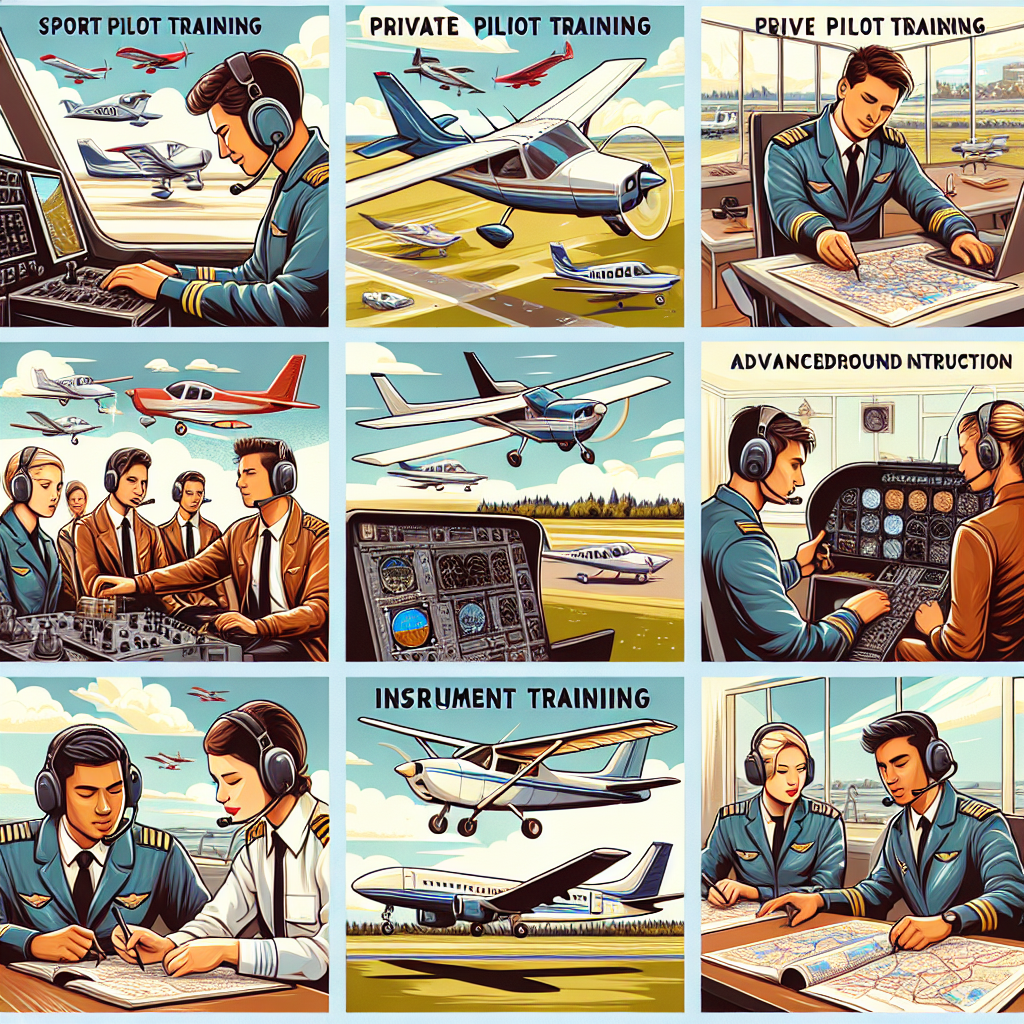
Sport Pilot Training
Sport pilot training is an excellent entry point for individuals looking to experience the joy of flying with fewer requirements and a more flexible schedule. This type of flight training focuses on small, light aircraft and emphasizes foundational flying skills and safety procedures.
Students in sport pilot programs receive essential instruction in aircraft control, basic navigation, and communication, making it ideal for hobbyists or those exploring aviation before committing to more intensive training.
Private Pilot Training
Private pilot training is the next step for those seeking greater freedom and privileges in flying. This phase of flight training includes more comprehensive instruction, covering topics such as cross-country flight planning, night flying, and emergency procedures.
Obtaining a private pilot license allows individuals to fly a wider range of aircraft and carry passengers, opening doors to personal and professional opportunities within the aviation sector.
Commercial Pilot Training
Commercial pilot training prepares aspiring pilots for careers in the aviation industry, equipping them with the skills needed to operate aircraft professionally and safely under various conditions. This advanced flight training covers complex flight maneuvers, advanced navigation techniques, and regulatory compliance.
Students undergo rigorous instruction and accumulate flight hours required by aviation authorities, positioning them to pursue roles such as airline pilot, charter pilot, or flight instructor.
Enhancing Skills with Instrument Training
Instrument training is a critical component of advanced pilot education, enabling pilots to operate aircraft safely in low-visibility conditions using instruments alone. This training enhances situational awareness and decision-making skills, vital for professional pilots.
Through instrument training, pilots learn to interpret flight instruments accurately, execute instrument approaches, and manage in-flight emergencies, thereby increasing their confidence and operational capabilities.
Advanced and Instrument Ground Instruction
Ground instruction complements practical flight training by providing theoretical knowledge essential for mastering aviation concepts. Advanced and instrument ground instruction covers topics such as advanced aerodynamics, meteorology, air traffic control procedures, and instrument flight rules.
This classroom-based learning ensures that pilots are well-prepared for written examinations and practical assessments, reinforcing safety and proficiency in all aspects of flying.
Conclusion
Embarking on a journey through aviation education and flight training offers an exciting pathway from sport flying to a professional aviation career. By progressing through sport pilot, private pilot, and commercial pilot training levels, along with specialized instrument and advanced ground instruction, aspiring pilots can build a solid foundation for success in the skies.
Investing in comprehensive aviation education