Understanding the Foundations of Aviation Education
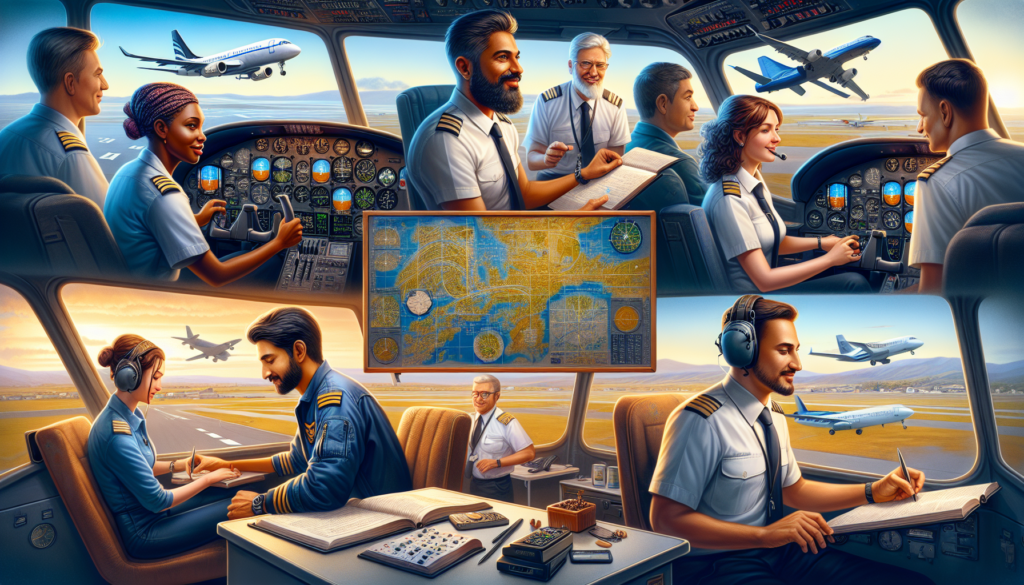
Aviation education is the cornerstone for anyone aspiring to take to the skies, whether for recreational flying or professional careers. A structured curriculum combines theoretical knowledge with practical flight training to ensure safety, proficiency, and confidence in the cockpit. From understanding aerodynamics and meteorology to mastering navigation and communication, aviation education equips students with essential skills.
Choosing the right program is crucial. Comprehensive aviation education programs offer a progression from basic concepts to advanced techniques, preparing students for various pilot certifications. Embracing both classroom instruction and hands-on experience fosters a holistic learning environment that supports every stage of a pilot’s journey.
Exploring Sport Pilot Training: Your Gateway to the Skies
Sport pilot training is an excellent entry point for those interested in flying light, recreational aircraft. This training focuses on the fundamentals, making it accessible for beginners and those looking to fly for fun without the extensive requirements of more advanced certifications.
During sport pilot training, students learn basic flight maneuvers, safety protocols, and simple navigation techniques. The training emphasizes controlled, low-risk flying environments and encourages building confidence. It serves as a stepping stone toward more comprehensive flight training options.
Advancing Through Private and Commercial Pilot Training
Private Pilot Training
Private pilot training represents a significant step up, enabling pilots to fly a wider range of aircraft under more varied conditions. This phase combines increased flight hours with in-depth ground instruction covering regulations, weather, and flight planning. Successful completion grants the ability to carry passengers and fly cross-country, broadening a pilot’s experience and capabilities.
Commercial Pilot Training
For those pursuing aviation as a career, commercial pilot training is essential. This advanced stage requires rigorous flight training and extensive knowledge of commercial operations. Pilots learn complex aircraft systems, emergency procedures, and precision flying skills necessary for professional aviation roles. Commercial pilot training also emphasizes adherence to stricter regulatory standards and operational professionalism.
Mastering Instrument Training and Advanced Ground Instruction
Instrument training is critical for pilots wishing to fly in diverse weather conditions and navigate solely by instruments. This training enhances a pilot’s ability to rely on flight instruments rather than visual cues, which is vital for maintaining safety and proficiency in low-visibility environments.
Advanced and instrument ground instruction complements practical flight training by deepening theoretical understanding. Topics include advanced navigation techniques, instrument flight rules (IFR), and the use of avionics systems. This comprehensive approach ensures pilots are well-prepared for the challenges of instrument flight and advanced aviation operations.
Choosing the Right Flight Training Program for Your Goals
Selecting the appropriate flight training program depends on individual goals, whether recreational flying or a professional pilot career. Evaluating programs that offer structured aviation education, quality flight training, and experienced instructors can make all the difference in your development as a pilot.
Look for programs that provide a clear pathway from sport pilot training to commercial pilot training, including dedicated instrument training and advanced and instrument ground instruction. A well-rounded education not only meets certification requirements but also builds confidence and competence essential for success in aviation.
Conclusion: Taking Flight with Confidence
Embarking on your