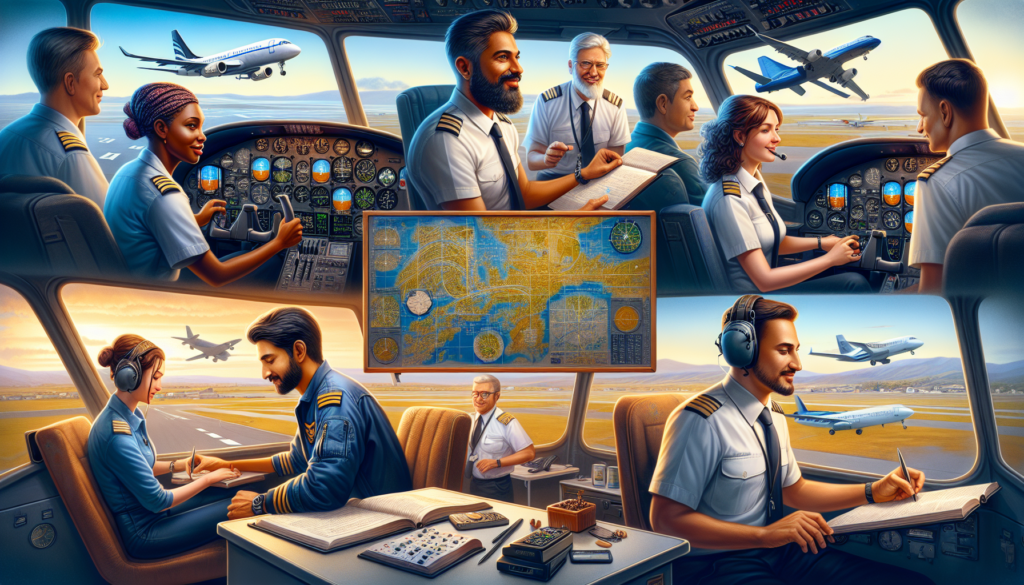
Understanding Aviation Education: The Foundation of Flight Training
Aviation education is the cornerstone for anyone aspiring to become a proficient pilot. It encompasses a comprehensive understanding of aerodynamics, aviation regulations, meteorology, and navigation principles. Whether you’re starting with sport pilot training or aiming for commercial certification, a solid educational foundation ensures safety and competence in the skies.
Flight training programs integrate both theoretical knowledge and hands-on experience. Aspiring pilots learn critical concepts through classroom instruction and apply these in real-world flight scenarios, preparing them for the complexities of aviation.
Sport Pilot Training: Your First Step into the Cockpit
Sport pilot training offers an accessible entry point for individuals eager to take their first flight lessons. This training focuses on lightweight aircraft operations and basic flight maneuvers, providing a practical introduction to piloting without the extensive requirements of private pilot training.
Emphasizing safety and fundamental skills, sport pilot training is ideal for recreational flying enthusiasts who want to enjoy short-distance flights and get familiar with flight dynamics in a less demanding environment.
Private Pilot Training: Expanding Your Horizons
After mastering the basics, private pilot training enables pilots to fly larger aircraft and venture into more complex flight conditions. This stage involves more rigorous coursework, including navigation techniques, weather analysis, and emergency procedures.
Private pilot certification opens opportunities for longer flights and greater independence, serving as a pivotal milestone for those pursuing advanced aviation goals.
Commercial Pilot Training: Preparing for a Professional Career
Commercial pilot training is designed for individuals targeting a career in aviation. This training demands higher proficiency in aircraft handling, advanced maneuvers, and stringent adherence to aviation regulations. Trainees undergo extensive flight hours and advanced ground instruction to meet professional standards.
Successful completion of commercial pilot training qualifies pilots to operate aircraft for compensation and hire, marking the transition from recreational to professional flying.
Instrument Training: Navigating Beyond Visual Flight
Instrument training equips pilots with the skills necessary to operate aircraft safely in low visibility and adverse weather conditions. This specialized training focuses on interpreting flight instruments, understanding instrument flight rules (IFR), and executing precise navigation techniques without reliance on external visual cues.
Mastering instrument training significantly enhances a pilot’s versatility and safety, enabling flight operations in a wider range of environments.
Advanced and Instrument Ground Instruction: The Theoretical Backbone
Advanced and instrument ground instruction supplements practical flight training by deepening theoretical knowledge. These instructional sessions cover complex topics such as advanced aerodynamics, complex aircraft systems, and detailed instrument procedures.
Ground instruction is essential for preparing pilots to pass certification exams and perform confidently during actual flights, bridging the gap between classroom learning and cockpit application.