Understanding the Foundations of Aviation Education
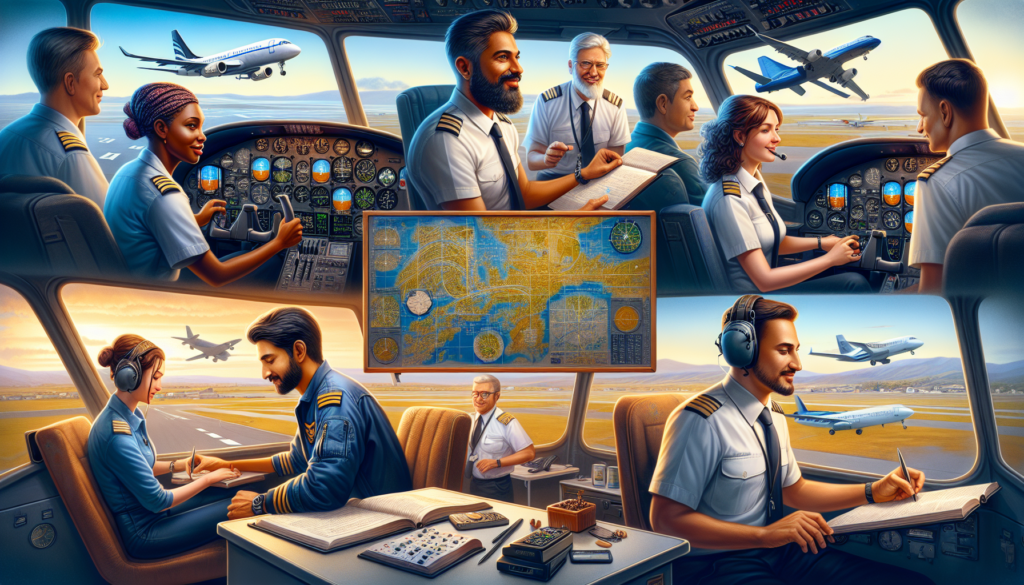
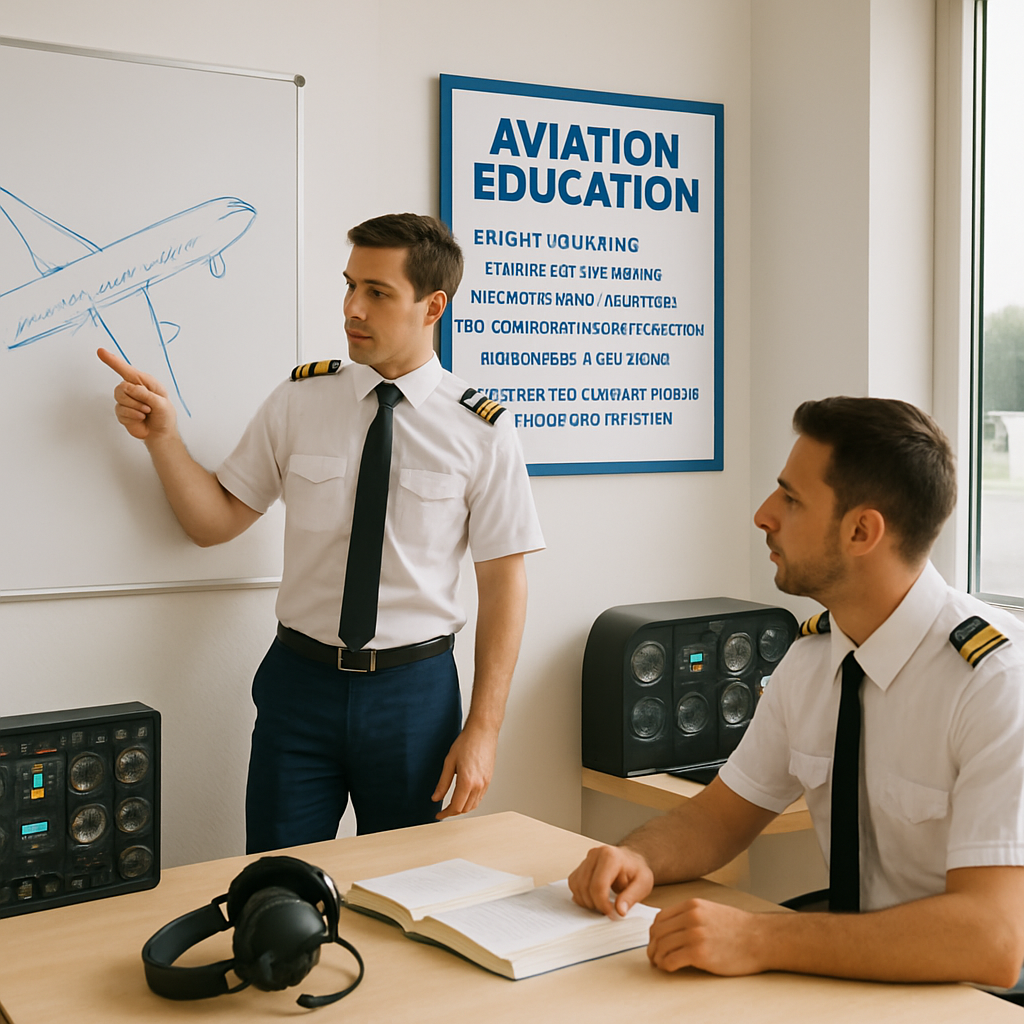
Aviation education is a comprehensive journey that equips aspiring pilots with the knowledge and skills necessary to navigate the skies safely and confidently. Whether you are interested in recreational flying or pursuing a professional career, structured flight training programs guide you through various stages of pilot certification.
Starting with Sport Pilot Training, individuals gain basic piloting experience, focusing on light aircraft and fundamental maneuvers. As you progress, Private Pilot Training builds upon this foundation by introducing more complex flight operations and regulations. This layered approach ensures a solid understanding of both practical skills and theoretical knowledge.
Sport Pilot Training: Your First Step
Sport Pilot Training is designed for those looking to experience the joy of flying with fewer requirements and a shorter training timeline. This training emphasizes light-sport aircraft and allows pilots to fly under specific limitations, making it ideal for hobbyists and beginners.
During Sport Pilot Training, students learn essential flight techniques, basic navigation, and safety protocols. This level of training introduces foundational aviation education concepts, preparing pilots for more advanced certifications.
Advancing to Private Pilot Training
Private Pilot Training is a critical milestone that opens the door to broader flying privileges and opportunities. This phase involves comprehensive flight training that covers day and night flying, cross-country navigation, and emergency procedures.
Students also engage in Advanced and Instrument Ground Instruction to deepen their understanding of aerodynamics, weather patterns, and FAA regulations. This instruction supports safe flying practices and prepares pilots for more challenging flight environments.
Mastering Skills through Instrument Training
Instrument Training is essential for pilots aiming to fly in various weather conditions and under instrument flight rules (IFR). This training focuses on using flight instruments and avionics to navigate when visual references are limited or unavailable.
Through rigorous flight training and ground instruction, pilots develop proficiency in instrument approaches, holding patterns, and precision flying. Instrument Training enhances safety and expands the operational capabilities of pilots at all certification levels.
Commercial Pilot Training: Preparing for a Career
Commercial Pilot Training is designed for those who aspire to make aviation their profession. This advanced training emphasizes precision, professionalism, and a thorough understanding of complex aircraft systems and regulations.
Flight training at this level includes high-performance aircraft operation, complex maneuvers, and multi-engine experience. Additionally, Advanced and Instrument Ground Instruction ensures that commercial pilots possess a strong theoretical foundation to complement their practical skills.
Conclusion: Navigating Your Aviation Education Path
From Sport Pilot Training to Commercial Pilot Training and Instrument Training, aviation education offers a structured pathway tailored to diverse goals and ambitions. Each stage builds upon the last, combining flight training with essential ground instruction to develop competent, confident, and safe pilots.
By understanding the requirements and opportunities within each certification level, aspiring pilots can chart a clear course toward achieving their aviation dreams, ensuring a rewarding and successful flying career.